North Slope crude tops $120 as Hormuz tensions drive prices higher
North Slope crude moved above $120, putting about $4.8 million a day of value per $10 barrel in Alaska's 2026 production back in play.
Alaska North Slope crude pushed past $120 a barrel last week, a level not seen since the 2022 supply shock after Russia’s invasion of Ukraine and one that could change the economics of North Slope work almost as fast as it changes headlines. At Alaska’s projected 2026 output of 477,000 barrels a day, every $10 increase in crude equals roughly $4.8 million a day in gross value, or about $1.7 billion a year before taxes, royalties and costs.
The trigger is not just market speculation. Escalating tensions in the Strait of Hormuz, where about 20 million barrels of oil moved daily in 2024, have raised fears of a physical supply squeeze through the world’s most important oil chokepoint. That volume is roughly 20% of global petroleum liquids consumption, and even when traffic starts moving again, shipping and insurance changes can take weeks to settle. EIA’s April outlook said production shut-ins should fall to 6.7 million barrels a day in May and return close to pre-conflict levels in late 2026 if the disruption does not persist.
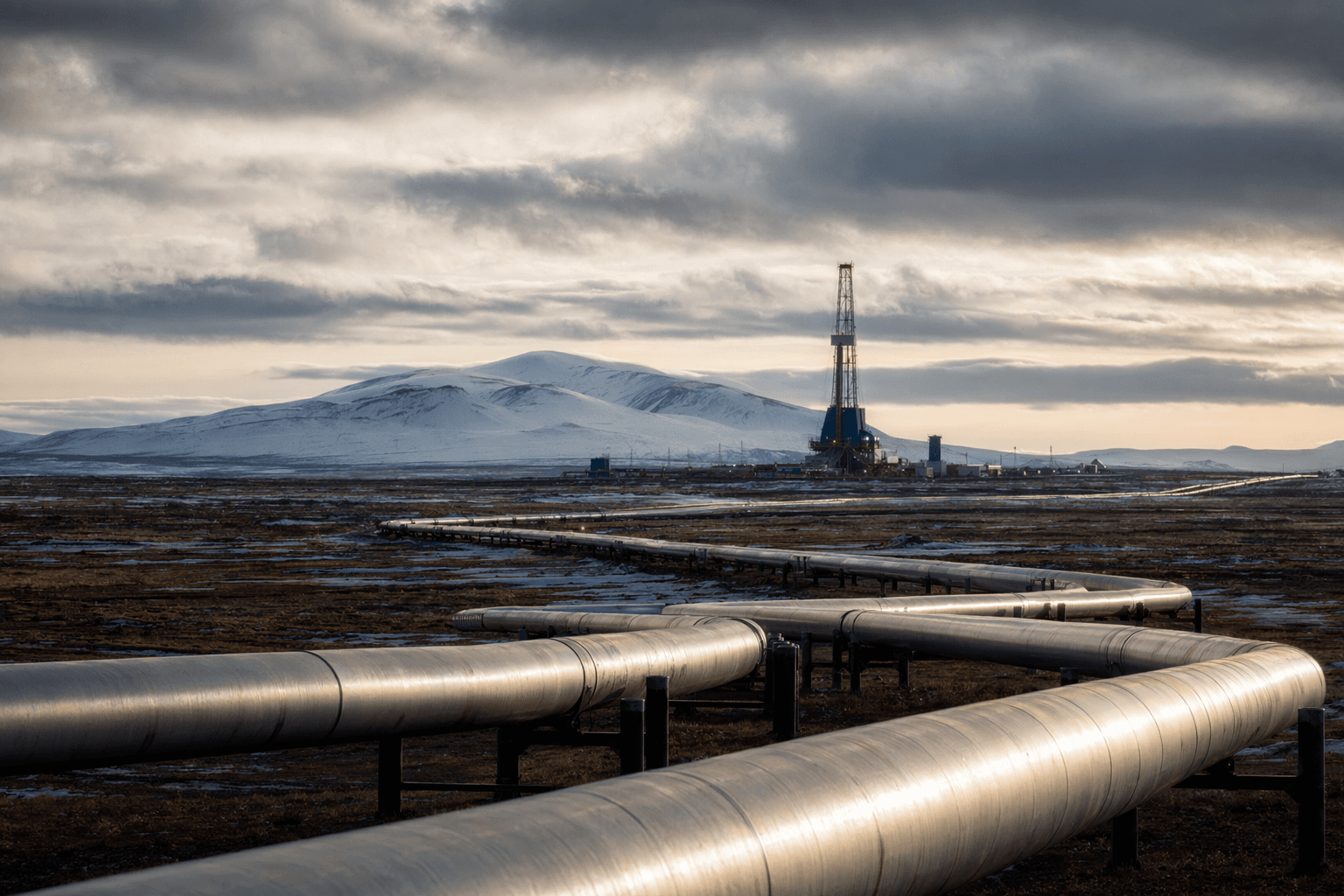
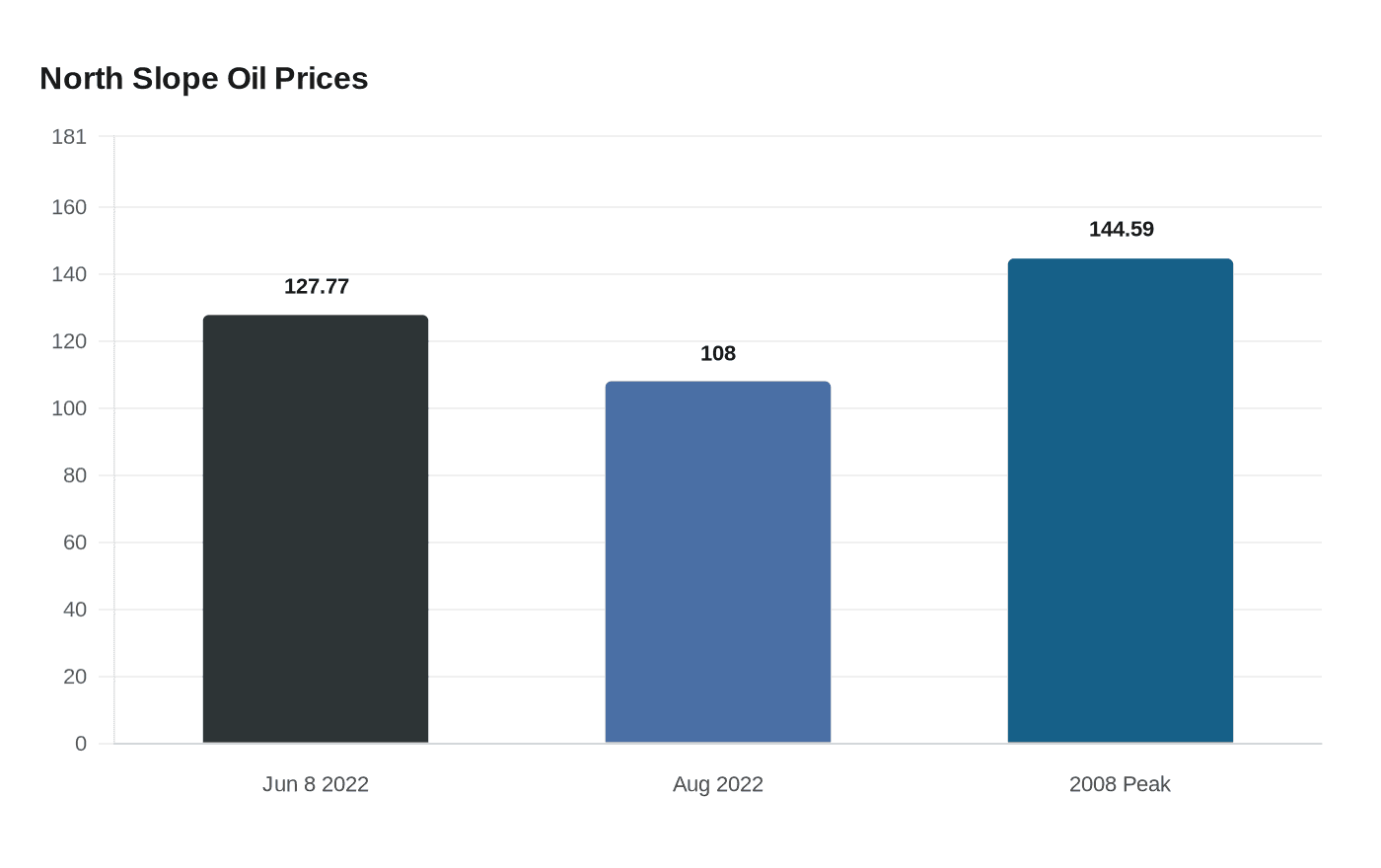
For Alaska, the price spike has put the state’s oil patch back near territory last seen on June 8, 2022, when North Slope crude hit $127.77 a barrel. It is well above the August 2022 mark of $108 and far short of the 2008 peak of $144.59, but still high enough to matter for producers weighing rigs, work crews and the next round of contracts. Higher prices make new barrels more attractive, and North Slope supply is already headed higher: EIA forecast in November that Alaska crude output would reach 477,000 barrels a day in 2026, the most since 2018 and up 13% from 2025.

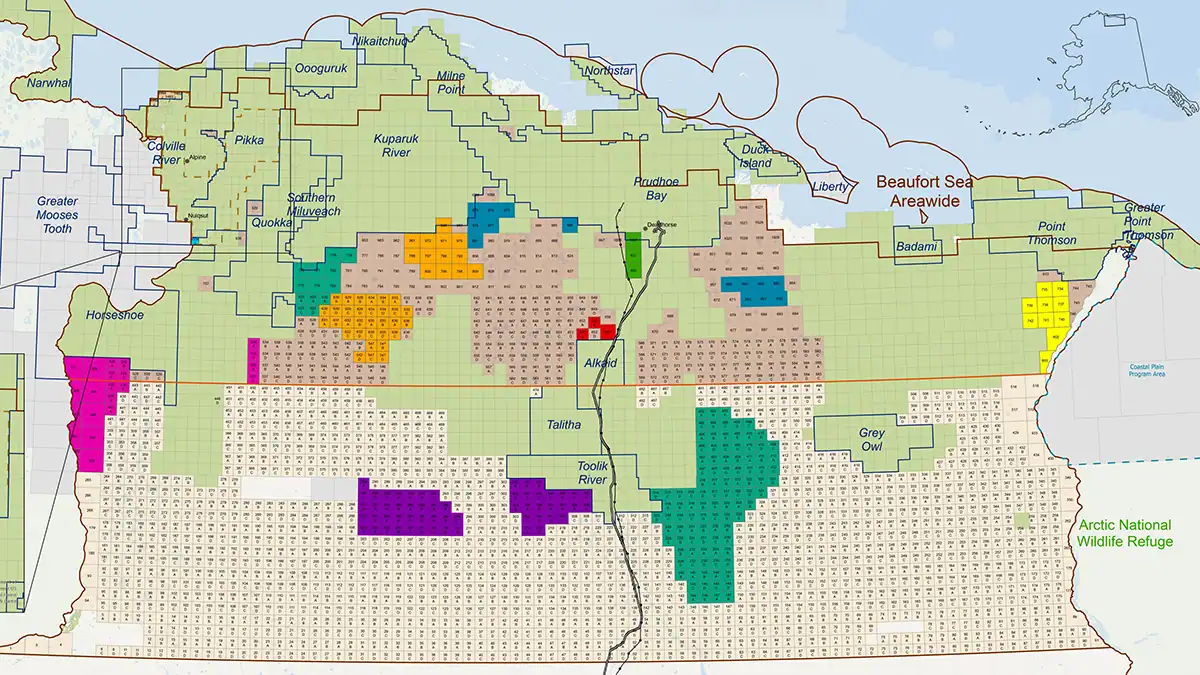
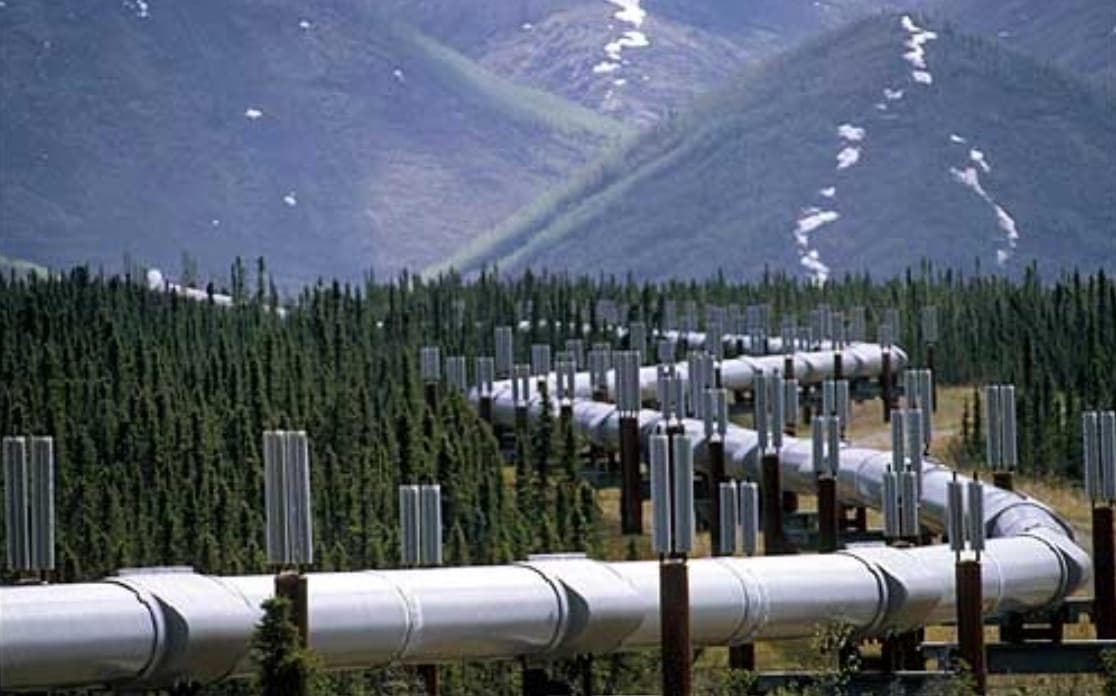
That growth matters because the Trans-Alaska Pipeline System, which began operating in 1977, still depends on enough throughput to stay economical. The 800-mile line from the North Slope to Valdez once carried just over 2 million barrels a day in 1988. Today, Pikka is expected to begin producing soon and could add about 80,000 barrels a day into TAPS, a meaningful lift against current statewide throughput of about 465,000 barrels a day. ConocoPhillips, Alaska’s largest oil producer, is also pressing ahead with Willow in the National Petroleum Reserve-Alaska, a project it says could peak at 180,000 barrels a day and support as many as 2,500 construction jobs and 300 permanent jobs across Prudhoe Bay, Kuparuk and the Western North Slope.
The state stands to gain, too. EIA says oil and gas revenues fund about half of Alaska government, and the Permanent Fund dividend has been paid annually since 1982, with the 2024 payout set at $1,702. But higher crude does not automatically mean relief for families still paying steep fuel, freight and grocery bills across the North Slope. The price rally strengthens the industry’s hand and Alaska’s fiscal outlook, yet the local payoff will depend on whether more drilling, more contractor work and stronger state revenue reach households as more than just another spike at the pump.
This article was produced by Prism’s automated news system from verified source data, official records, and press releases, then run through automated quality and moderation checks before publishing. The system is built and supervised by the people who set the standards it runs under. Read our full AI policy.
Know something we missed? Have a correction or additional information?
Submit a Tip