Libyan Pipeline Explosion Raises North Slope Oil Price Estimates
An explosion on a Libyan pipeline on November 17 pushed global crude benchmarks higher and produced a near term uptick in Alaska North Slope price estimates. That market reaction matters locally because changes in benchmark prices can flow through to royalties, state revenue forecasts, and the economics of North Slope projects.

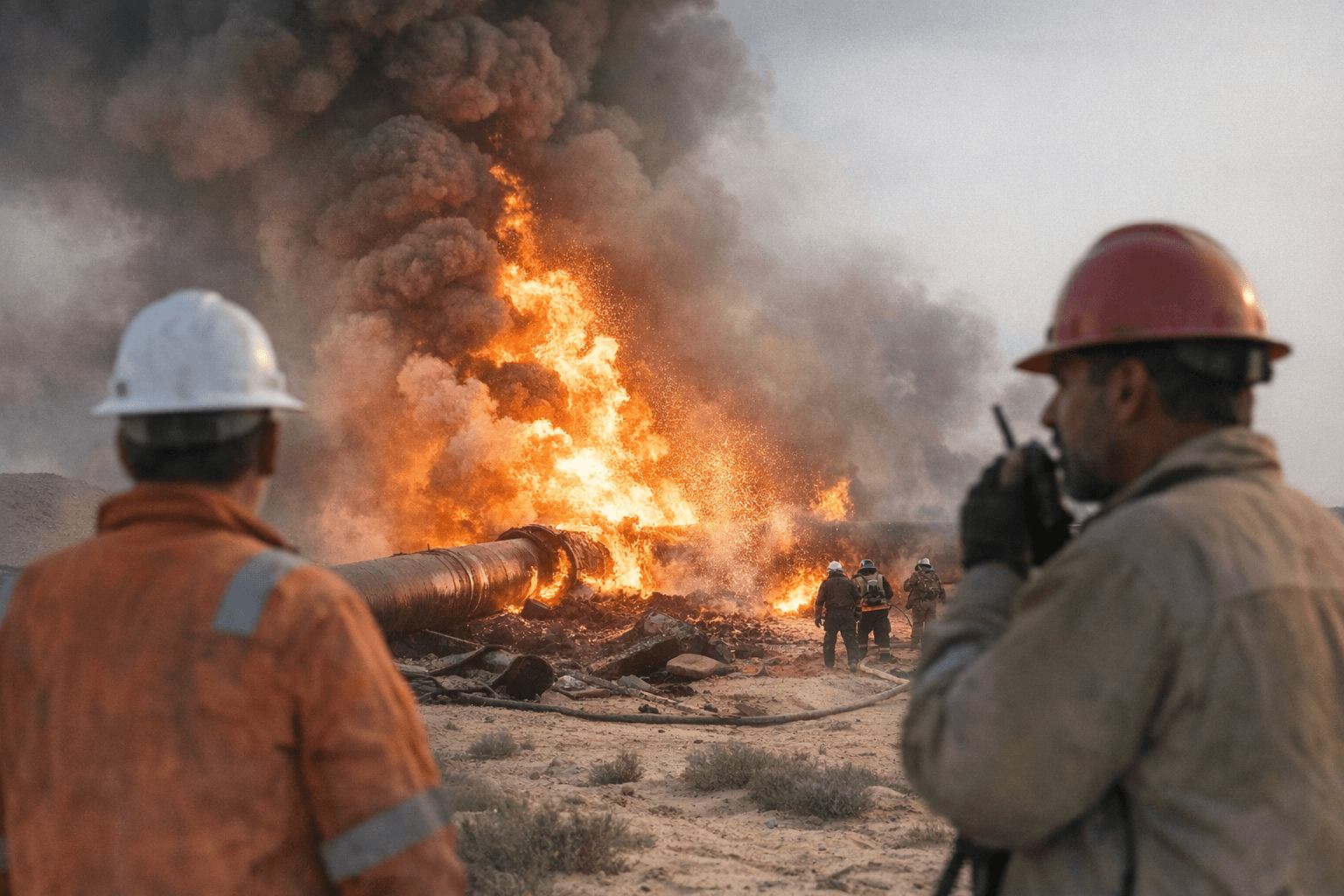
Markets reacted in late November after reports of an explosion on a Libyan pipeline on November 17. The disruption tightened near term global supply expectations and lifted international crude benchmarks, a movement that translated into higher short term price estimates for Alaska North Slope crude. Local coverage by Must Read Alaska highlighted the chain of transmission, noting that ANS prices often track Brent and other global drivers.
For residents and local officials the significance is practical. When benchmark crude moves, Alaska North Slope producers see their realized values shift, and those shifts can affect royalty payments to the state and to boroughs that rely on oil related revenue. Local reporting emphasized the potential for upward adjustments to state revenue estimates if higher prices persist, and the possibility that even temporary price bumps could alter investment calculations for ongoing and planned projects on the slope.
The mechanics are straightforward. Global benchmarks set expectations for traders and refiners, and ANS pricing typically follows those benchmarks because of market linkages for strapped supplies and refining demand. A supply disruption in a major producing region can push Brent higher, and ANS, which is sold into the same global market, commonly moves in step. That correlation means international events can have immediate fiscal and business consequences for the North Slope even when production volumes on the borough remain unchanged.
The outlook for local impact depends on duration and magnitude. If the Libyan disruption proved short lived and supply returned, markets could retrace recent gains and any additional near term revenue would be limited. If broader supply concerns persisted into the winter months, sustained higher benchmarks would strengthen state receipts and improve project economics for higher cost developments, with implications for hiring, contracting, and municipal budgets across the region.
Local stakeholders will be watching incoming state revenue updates and company project decisions in the weeks ahead. For now the November 17 event serves as a reminder that distant supply shocks can quickly ripple into the North Slope economy and into the bottom lines of residents and public services that depend on oil related income.
Know something we missed? Have a correction or additional information?
Submit a Tip