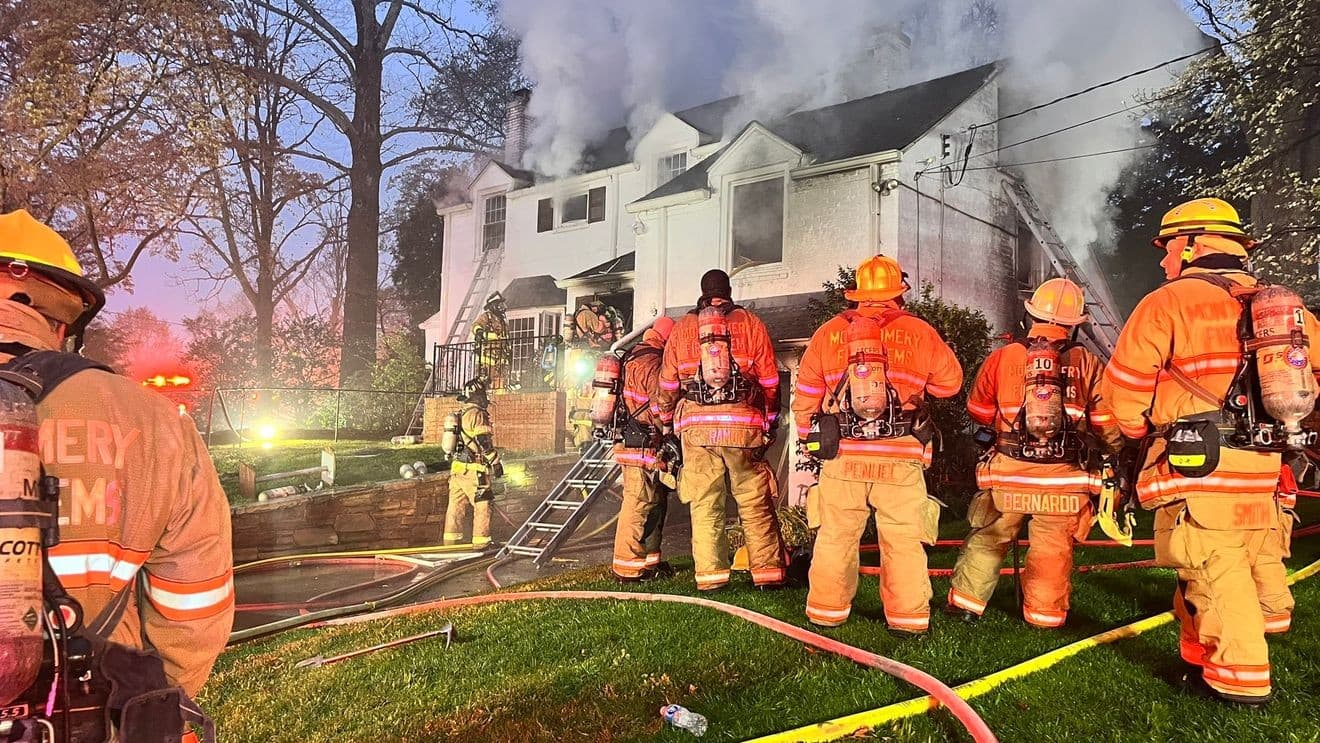
Multiple Fire Units Battle Working House Fire on Mackneal Trail
When a working house fire erupts in a remote North Slope village, your neighbors — not a firehouse around the corner — may be the first to respond. Here's what that means for your family.
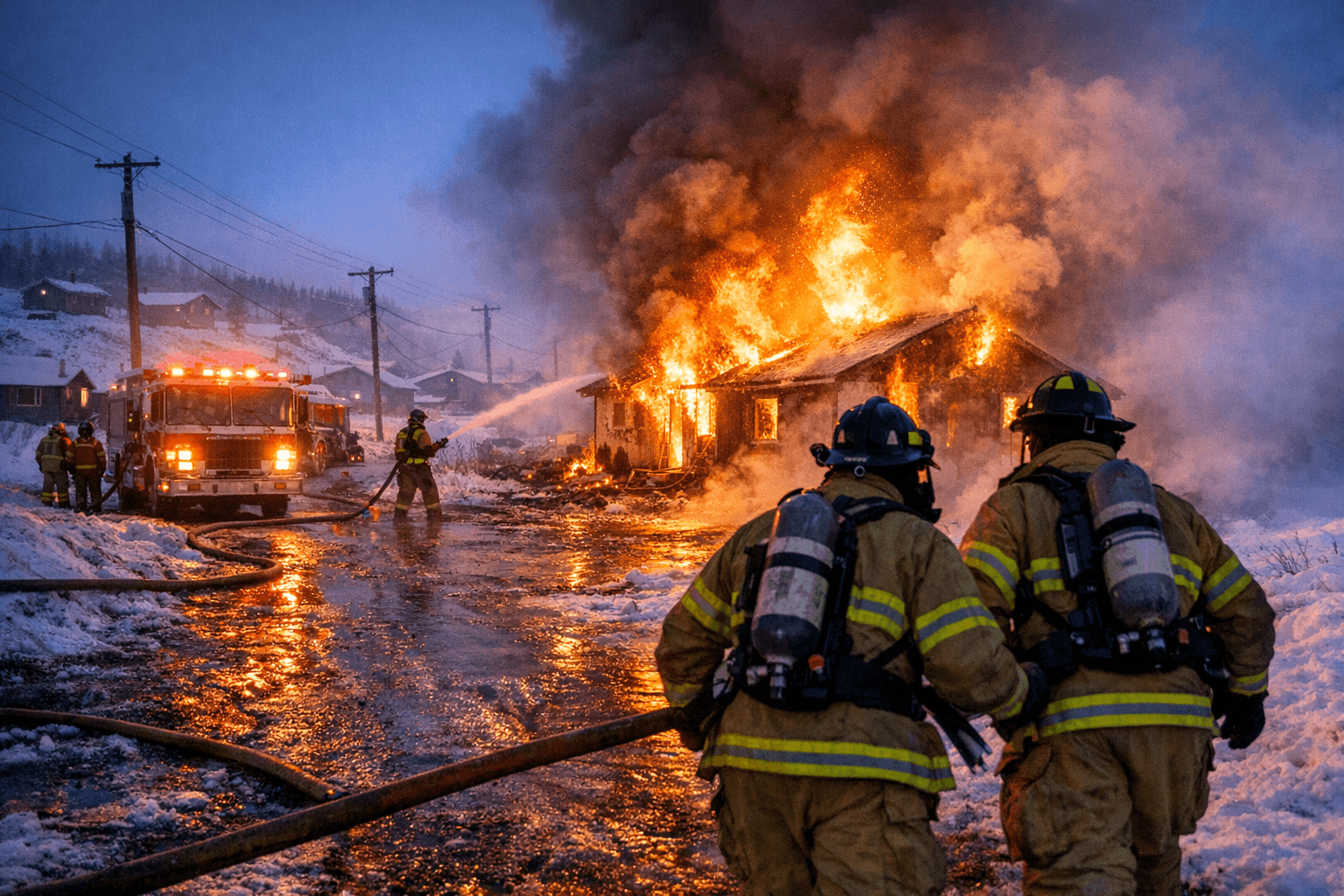
A working house fire in a suburban Texas neighborhood draws multiple units within minutes. In Kaktovik, Nuiqsut, or Point Lay, the calculus is entirely different: no roads connect these communities to outside help, winter temperatures punish anyone forced outside, and rebuilding a lost home on the Arctic coast can cost more than most families will ever spend on anything in their lives.
The North Slope Borough Fire Department is committed to providing emergency services including fire suppression, rescue, and emergency medical response across all North Slope communities, no matter how remote. But in the outlying villages, paid staff assist local volunteers in responding — meaning your neighbors are, in the most literal sense, your first line of defense.
That structure makes village volunteer departments and their chiefs essential community infrastructure. Andrew Oyagak leads the Nuiqsut Volunteer Fire Department, reachable at (907) 480-6613. Jimmie Kagak commands the Wainwright Volunteer Fire Department at (907) 763-2728. Sheldon Brower leads the Kaktovik Volunteer Fire Department at (907) 640-6212. Raymond Koenig heads the Tikigaq Volunteer Fire Department in Point Hope at (907) 368-2774, and Kouiqsik Curtis leads the Kali Volunteer Fire Department in Point Lay at (907) 833-2714. Knowing your village chief's number — and making sure your household does too — is not optional safety advice. It is survival planning.
The data on what causes these fires is unambiguous. The three most common causes of residential fires in Alaska are unattended cooking, unsafe heating, and other preventable, human-caused acts. Twenty-one percent of home fire deaths result from fires in properties with no smoke alarms installed. On the North Slope, where portable heaters and fuel-burning stoves carry the load through months of extreme cold, heating risks are present every single day. A space heater left unattended, a stovepipe with creosote buildup, a fuel line running too close to insulation: any of these can turn a livable structure into a total loss faster than any mutual aid system can respond.
Every Alaskan household should have properly functioning smoke alarms, carbon monoxide alarms, and fire extinguishers, tested regularly, as well as an established fire escape plan. In a village where a working fire can consume a wood-frame home in under ten minutes, those two minutes an alarm buys a sleeping family are irreplaceable.
The cost of getting it wrong cannot be overstated. Construction costs in Alaska range from $135 per square foot for a simple cabin to $540 per square foot for a luxury home, meaning a 1,500-square-foot home runs anywhere from $202,500 to $810,000. Those figures assume accessible worksites. In a community reachable only by air or seasonal barge, every sheet of plywood, every roll of insulation, and every bag of concrete carries an additional freight premium that can push total replacement costs far beyond any standard insurance estimate. A family displaced mid-winter on the North Slope faces not just the loss of a structure but an acute survival emergency in an environment with no margin for error.
The mutual aid framework that exists across the borough is real, capable, and committed. But it works best when residents have already done their part: working alarms on every level of the home, a practiced escape route the whole family knows, and heating equipment inspected before the cold sets in each fall. When fire does arrive, the seconds before the first volunteer reaches your door are entirely yours to spend.
Sources:
Know something we missed? Have a correction or additional information?
Submit a Tip