Murkowski Urges Alaska Lawmakers to Prioritize Infrastructure Investments Statewide
Since Utqiagvik lost its seawall in 2018, the North Slope Borough has spent millions annually on temporary berms; Murkowski says state lawmakers must stop deferring the fix.
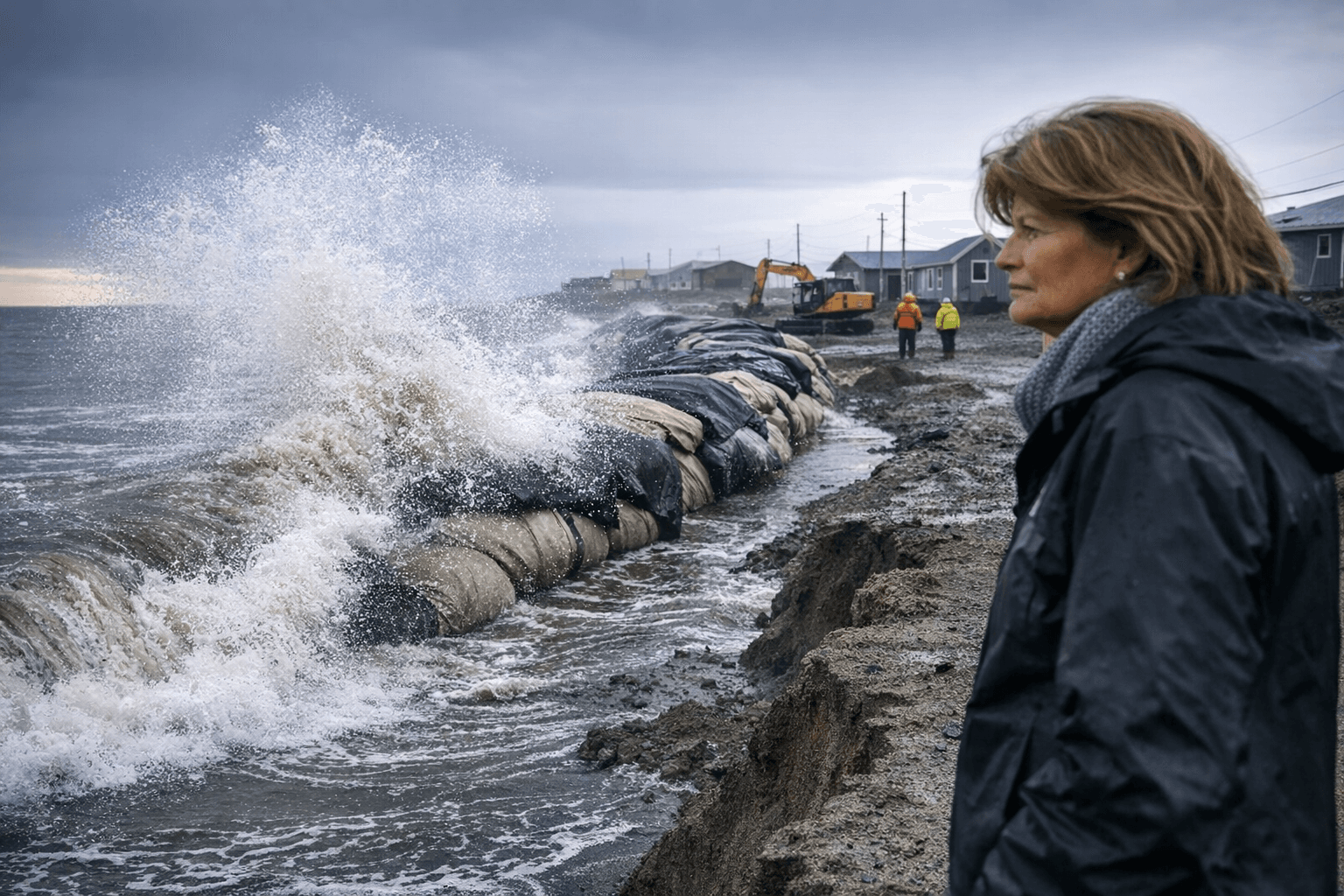
North Slope Borough Mayor Harry Brower Jr. signed a partnership agreement last summer to finally replace the temporary dirt berms that have been the only thing standing between Utqiagvik and the Chukchi Sea since the community's protective seawall failed in 2018. The borough had been spending millions of dollars every year piling up those berms. Sen. Lisa Murkowski, appearing on Alaska News Nightly amid the current state budget debate, urged Alaska legislators not to let that pattern of expensive improvisation substitute for real capital investment.
The Barrow Coastal Erosion Project, now under construction by Anchorage-based Brice Civil Constructors Inc., will install a rock revetment along roughly five miles of shoreline and raise Stevenson Street to protect not just roads and homes but the community's only source of fresh water. It is one of the clearest illustrations of what deferred infrastructure actually costs: years of emergency berm budgets that bought nothing permanent, while the underlying risk to life and water supply remained.
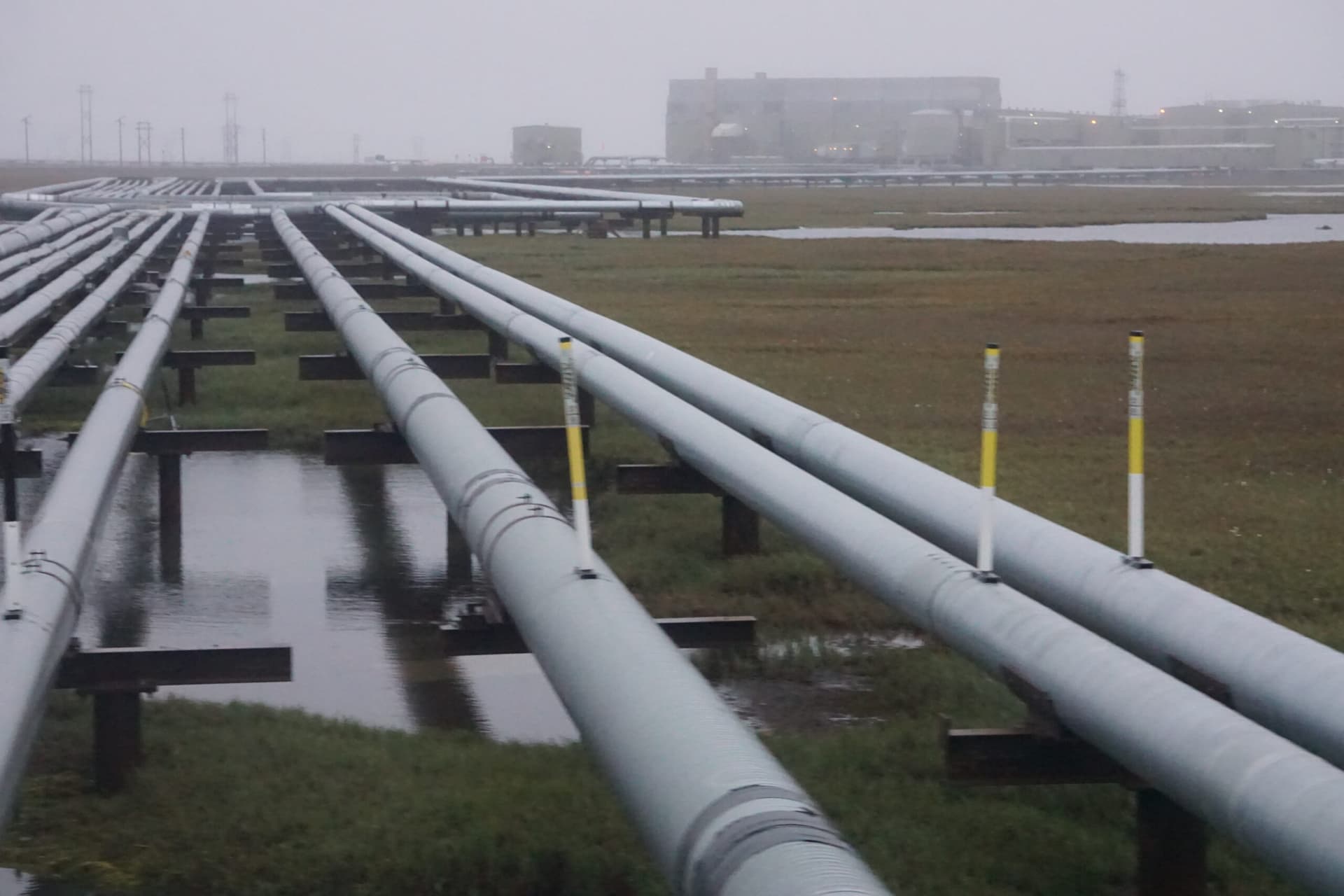
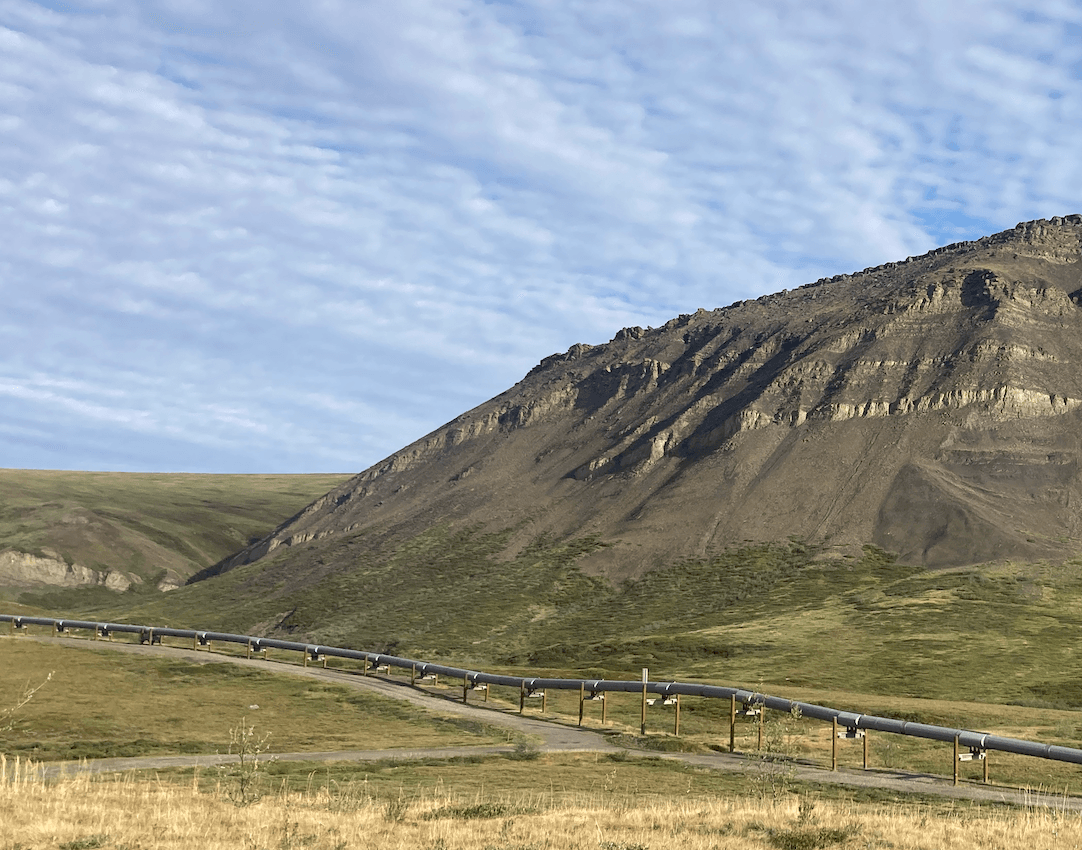
Murkowski's push to state lawmakers arrives as Juneau weighs a capital budget that has direct consequences for how the North Slope functions. The borough's Port Authority oversees airports, ports, roads, pipelines, and communication networks across eight communities connected to each other and to the rest of Alaska exclusively by air or by seasonal barge. Every runway that cannot accommodate a larger medevac aircraft, every port facility that cannot handle increased barge tonnage, and every village without reliable broadband translates into a higher floor price for goods and services. A gallon of milk, a construction crane, a dialysis machine: all of them move through infrastructure the state helps fund.
The federal Infrastructure Investment and Jobs Act has channeled more than $180 million toward water infrastructure across Alaska over five years, according to Murkowski's office, and the oil and gas industry has projected $14 billion in North Slope capital expenditures over the same period. But federal and industry dollars are not a substitute for state capital budget commitments, particularly when Alaska's construction season runs only about four months before Arctic weather shuts down active sites. A project pushed from this year's budget to next does not cost the same amount; mobilization expenses reset and permafrost conditions change.
That compounding dynamic is precisely what Murkowski was pointing at. The millions spent annually on temporary berms in Utqiagvik were not savings. They were the price of waiting, and the North Slope is still paying it across runways, port facilities, erosion lines, and fiber routes that remain on wish lists rather than construction schedules.
Know something we missed? Have a correction or additional information?
Submit a Tip