North Slope Borough Port Authority Connects Remote Arctic Villages Through Maritime Infrastructure
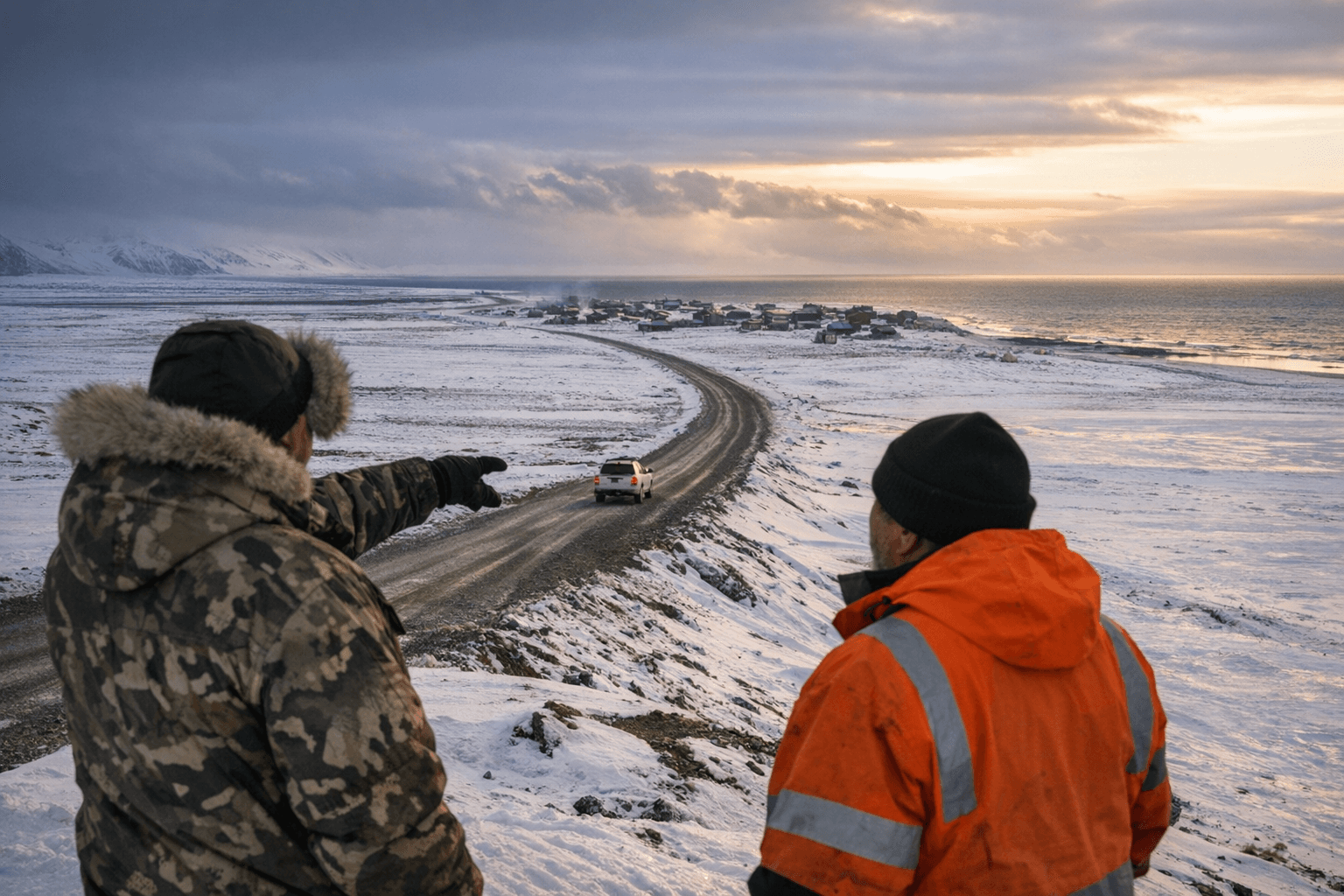
No deep-water port exists along Alaska's entire northern coast, leaving North Slope villages reliant on seasonal barges and the Port Authority's shore-side infrastructure as their supply lifeline.
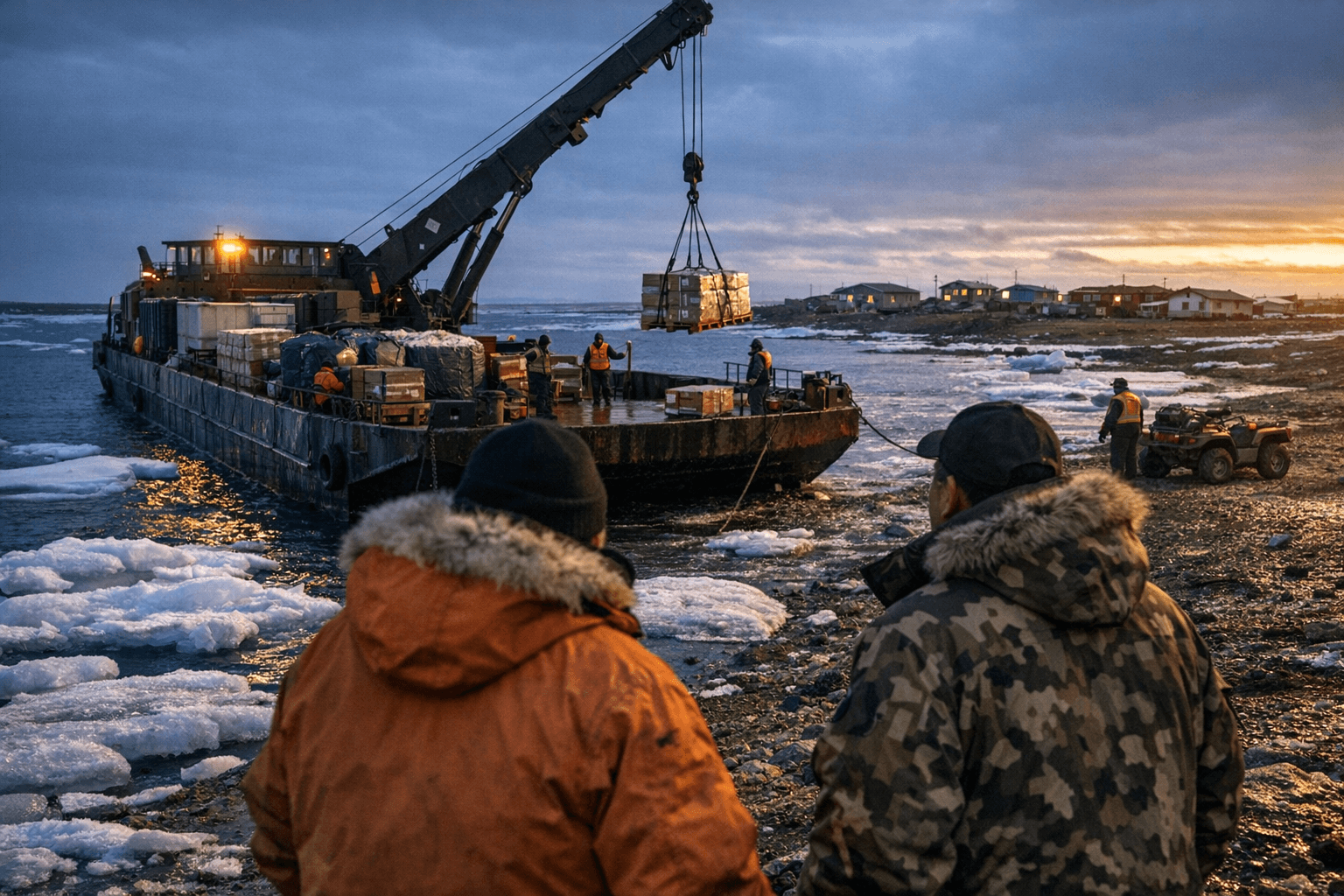
Alaska's northern coast has no deep-water port. That single geographic reality governs the logistics of daily life across the North Slope Borough, where communities from Nuiqsut to Point Hope depend on narrow summer sealift windows to receive the bulk of what they need for the year: dry goods, fuel, construction materials, and heavy freight delivered by barge to beaches rather than to proper docks.
The North Slope Borough Port Authority is the municipal agency working to change what that coastline allows. Operating from Utqiagvik, the borough seat and the region's principal logistics hub, the Port Authority carries responsibility for the strategic planning, financing, construction, and operation of transportation-related infrastructure across the entire borough. Its portfolio spans the shore-side facilities that make cargo handling possible at all: bulk-fuel storage, warehouses, breakwaters, and marine-support services, along with oil-spill response infrastructure required by the environmental sensitivity of Arctic waters near active oilfield operations.
The scale of the problem is regional, not just local. That is why the Port Authority anchors the Arctic Strategic Transportation and Resources plan, known as ASTAR, a collaborative initiative connecting communities across both the North Slope and Northwest Arctic Boroughs. ASTAR identifies infrastructure connections that deliver the greatest cumulative benefit to the region as a whole, including reduced costs for dry goods and fuel in remote communities, lower rehabilitation costs for legacy wells in the National Petroleum Reserve-Alaska, more efficient hydrocarbon development, and expanded job opportunities for borough residents. The plan links maritime investments directly to land-based corridors, ensuring that port projects and road or pipeline planning reinforce each other rather than compete for limited funding.
The economics of the current system are blunt: without improved port facilities, freight premiums in remote communities remain high, emergency mobilization is slower, and oilfield logistics operations carry greater scheduling risk. Every infrastructure improvement the Port Authority delivers has a direct downstream effect on what goods cost when they reach village shelves and on whether major industrial projects on the North Slope can control their supply timelines.
None of these projects move forward without extensive process. Environmental review, subsistence-impact assessment, and government-to-government consultation with tribal entities across the borough are built into the Port Authority's project development cycle as core requirements, not procedural formalities. The agency's board draws representatives from tribal, city, and regional organizations, giving communities across the borough direct voice in capital priorities.
Financing Arctic port construction demands the same regional problem-solving. The combination of remoteness, sea ice, permafrost, and a compressed construction season pushes project costs well above what comparable facilities would require in the continental United States. The Port Authority pursues layered funding stacks drawing on state appropriations, federal programs, and private-sector partnerships to make projects viable, positioning the borough to compete for infrastructure dollars at national scale as strategic interest in Arctic maritime access continues to grow.
Sources:
Know something we missed? Have a correction or additional information?
Submit a Tip