North Slope Borough Profile: Governance, Communities, and Oil Economy
The North Slope Borough’s government and economy shape daily life across its remote communities, with an 11-member assembly and a mayor based in Utqiagvik overseeing services and budgets largely influenced by oil and gas production. Understanding the borough’s structure and priorities matters for residents because local policy decisions affect infrastructure, public safety, education and long-term planning in communities from Nuiqsut to Kaktovik.
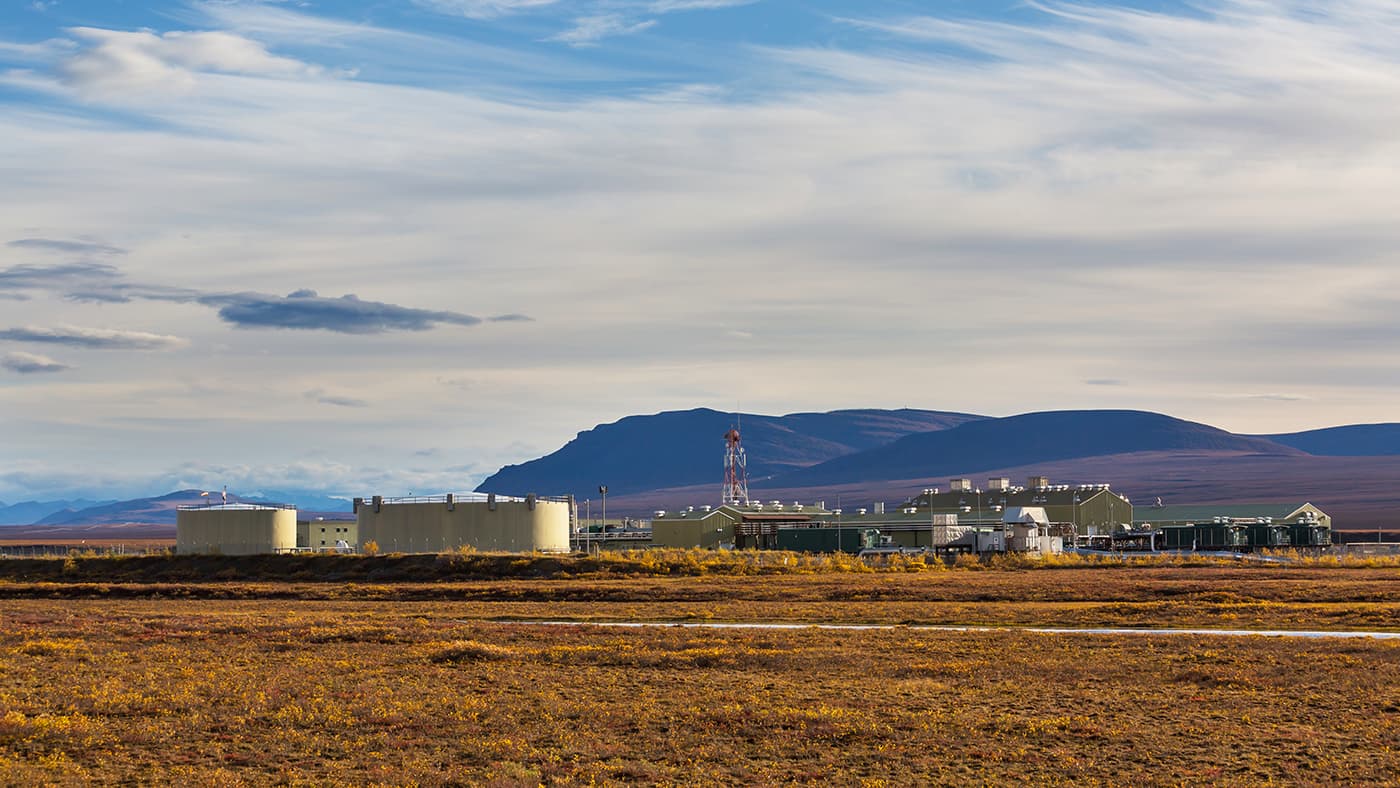
The North Slope Borough spans Alaska’s northernmost communities and combines a unique geographic footprint with governance responsibilities that reach into some of the state’s most remote settlements. Utqiagvik serves as the borough seat. An 11-member assembly together with an elected mayor directs borough policy, budgets and delivery of core services to communities that include Utqiagvik, Prudhoe Bay/Deadhorse, Nuiqsut, Point Hope, Wainwright and Kaktovik.
The borough’s economy is dominated by oil and gas production on the North Slope. That dominant industry drives revenues, employment and infrastructure investment, and it shapes fiscal planning and land-use decisions. For residents, that means borough priorities and long-term stability are closely linked to volatile energy markets and decisions by producers and regulators at state and federal levels.
Local government responsibilities include managing and funding services that residents rely on daily. Those services, administered from the borough seat and through local offices, undergird community life across vast distances and harsh conditions. The logistical challenges of serving remote villages add cost and complexity to delivering infrastructure, public safety, education and other essential programs. Budget allocations and policy choices in the assembly influence how those challenges are addressed and which communities receive prioritized investments.
Institutionally, the assembly-mayor structure places decision-making in a small representative body. That arrangement concentrates authority over tax policy, capital projects and intergovernmental agreements inside elected channels where accountability and transparency are critical. Voting patterns and civic engagement in borough elections therefore carry outsized weight for local policy outcomes, from emergency preparedness to land-use planning tied to resource development.

Policy trade-offs are central to governance on the North Slope. Officials must balance revenue generation tied to oil and gas with long-term resilience, infrastructure needs and community priorities. Interactions with state and federal agencies further complicate planning, as permits, royalties and environmental regulation affect both local budgets and land-use choices.
For residents, monitoring assembly agendas, budget votes and mayoral initiatives will be decisive for how services are delivered and how development affects communities. Active civic participation, clear public information from borough officials and accountable decision-making in the assembly are the mechanisms through which residents can influence priorities that will shape life across the North Slope in the years ahead.
Know something we missed? Have a correction or additional information?
Submit a Tip