North Slope crude slips below $100, raising budget concerns
North Slope crude fell to about $99.22 a barrel, a symbolic break that could filter into borough budgets, contractor spending and state revenue expectations.
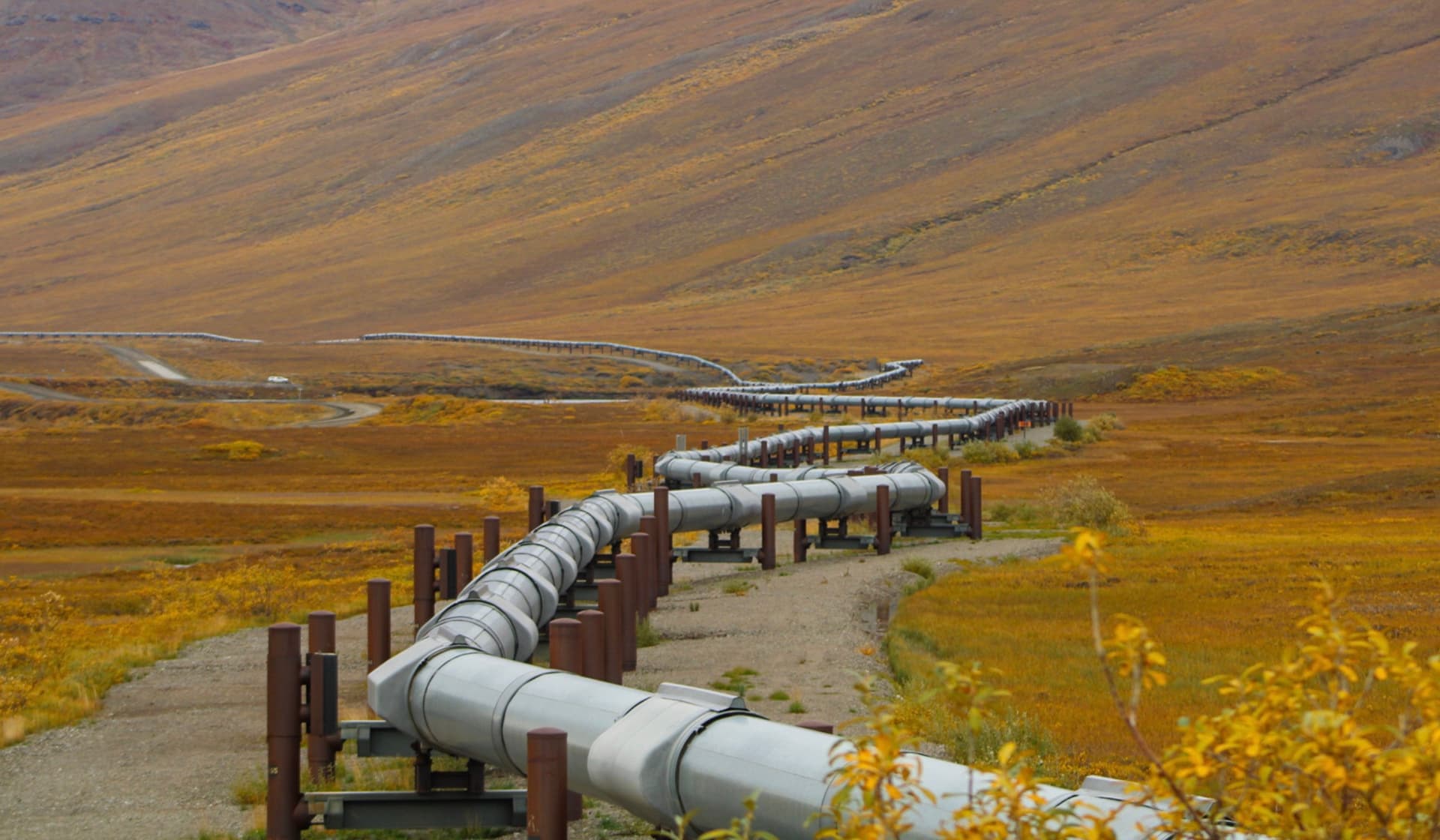
North Slope crude’s drop below $100 a barrel landed first as a price marker, but on the North Slope it was also a budget signal. Alaska North Slope crude closed at about $99.22 per barrel on June 14, ending a three-month run above the threshold that had been driven by geopolitical turmoil in the Middle East. For Utqiaġvik, Prudhoe Bay and the rest of the borough, that kind of move matters because oil prices still ripple through hiring, maintenance work, contractor demand and the state revenues that help support local services.
The immediate answer for North Slope communities is that this was not a collapse in the market. Even after slipping under $100, ANS crude remained well above the levels seen in much of the past two years. Alaska’s own fuel-price reporting said the January 2026 ANS price was $64.84 per barrel and that monthly averages had hovered between $62 and $75 since September 2024. A separate summer 2024 report noted that Alaska North Slope crude had spent six months above $100 in 2022, a reminder that the current pullback still leaves prices elevated by recent historical standards.

Still, the fiscal stakes are real. The Alaska Department of Revenue’s Spring 2026 revenue forecast put FY 2026 ANS prices at an average of $75.26 per barrel, based on an actual average of $67.34 in the first eight months and a projected $91.09 in the final four months. It also forecast FY 2027 ANS prices at $75.00 per barrel. In its Fall 2025 forecast, the department had already expected lower prices, projecting $65.48 for FY 2026 and $62.00 for FY 2027, while estimating production of 457,000 barrels per day in FY 2026 after an average of 468,000 barrels per day in FY 2025.

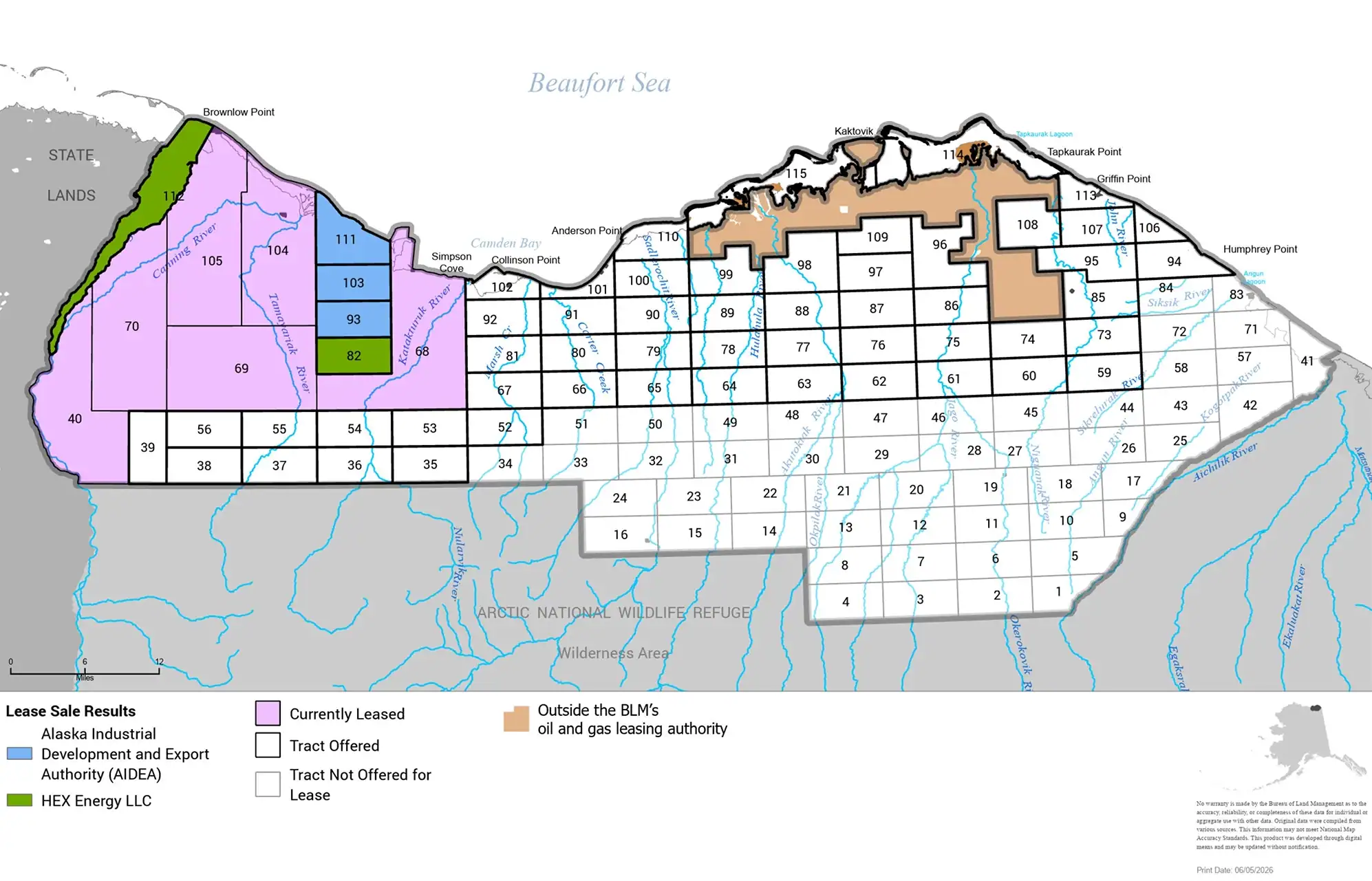
The borough feels that pressure directly. North Slope Borough finances depend heavily on oil- and gas-related property values and related revenue streams, which can move with industry valuations. When crude softens, companies can become more cautious about spending, and that can affect the pace of drilling, field upkeep and future investment decisions. The broader Alaska oil economy is still the state’s fiscal engine: Alaska Oil and Gas Association and McKinley Research Group have said the industry has funded up to 90 percent of unrestricted general fund revenues in most years.
There is also a market twist that keeps Alaska oil from behaving like a simple headline price. A Department of Revenue analysis said the Brent-to-ANS differential may be the highest in history and the largest monthly value since 2000, underscoring how Pacific Basin conditions can keep North Slope crude unusually strong even when the benchmark moves lower. Alaska Resource Development Council data shows why that matters so much: the North Slope has produced more than 18 billion barrels of oil since Prudhoe Bay was discovered, and the borough’s economy still turns on that production.
This article was produced by Prism’s automated news system from verified source data, official records, and press releases, then run through automated quality and moderation checks before publishing. The system is built and supervised by the people who set the standards it runs under. Read our full AI policy.
Did this article answer your question?