North Slope fish health studies show low contaminants, continued vigilance needed
The North Slope Borough Department of Wildlife Management documents ongoing fish health studies across lakes and rivers, finding that many commonly monitored contaminants are low or undetected while tracking pathogens and stress indicators. These data matter to subsistence harvesters and public health officials because they inform food safety decisions, ecosystem monitoring, and policies that affect community health and cultural practices.
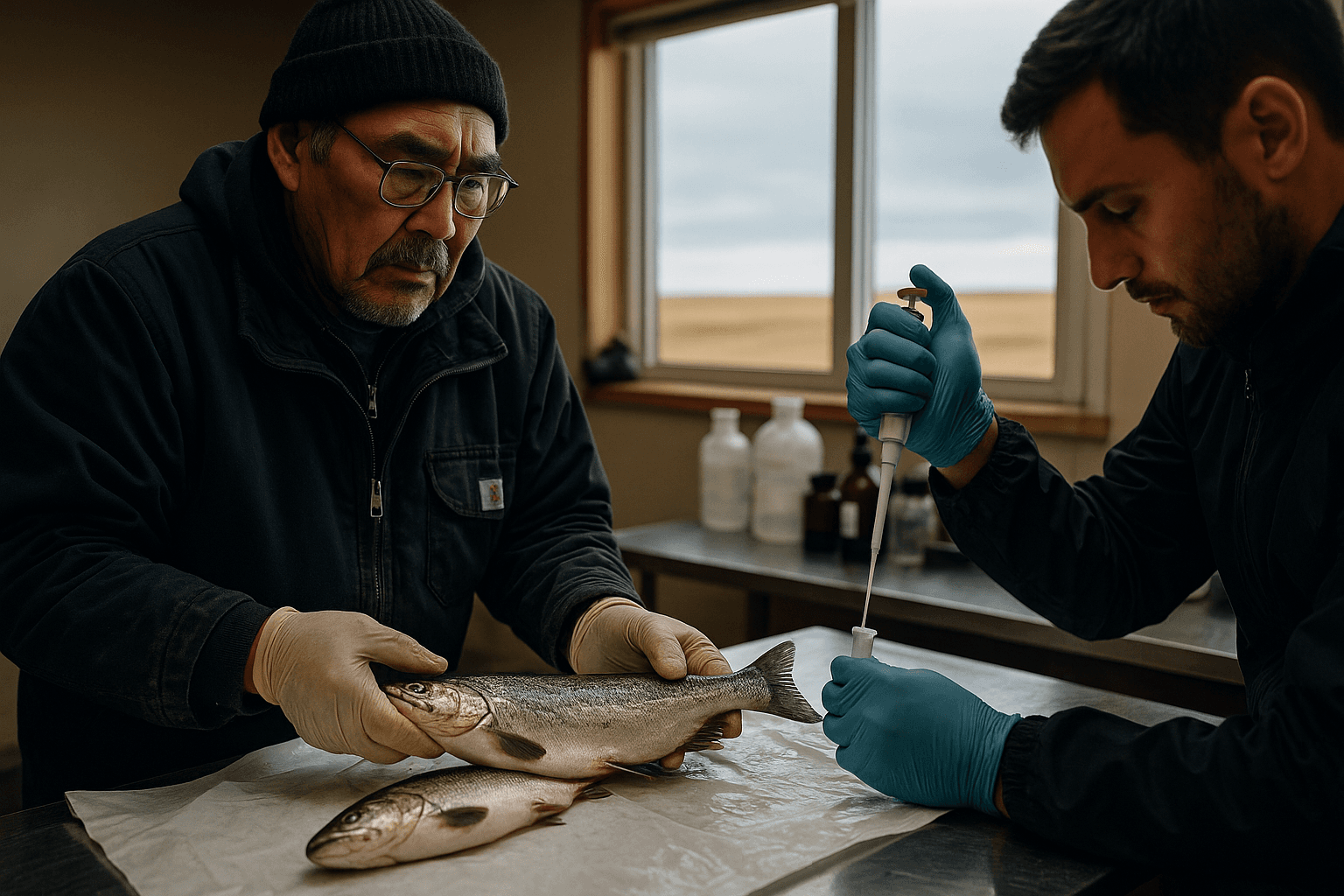
The North Slope Borough Department of Wildlife Management maintains a long running program to monitor fish health at sites important to subsistence communities, including Teshekpuk Lake, Mayurgiaq, Ikpikpuk, the Colville River, and Wainwright and Atqasuk locations. The work combines tissue and sediment sampling with analyses for contaminants such as PCBs, DDT and PAHs, as well as petroleum hydrocarbons, tests for pathogens, and biomarker indicators of physiological stress in fish populations.
Historical analyses from 1998 to 2001 in the Colville River area found that fish from the Nuiqsut subsistence fishery were safe to eat based on Agency for Toxic Substances and Disease Registry reviews. In those early studies, PCB and DDT concentrations near Nuiqsut were much lower than levels recorded in the Umiat area that prompted the initial investigations. Broad whitefish levels were described as very low, and overall results did not indicate public health concerns for typical subsistence consumption patterns.
Current sampling programs continue across multiple water bodies, with many results showing low or undetected concentrations of commonly monitored contaminants. At the same time the department has documented the presence of Saprolegnia, a water mold, in some local fish samples. The department notes that factors such as crowding, changes in water temperature and physical injury can increase fish susceptibility to infections, and it tracks biomarker indicators that signal stress in fish populations.
For residents who depend on subsistence harvests, the studies serve as a technical foundation for daily choices about fishing and food preparation. The department emphasizes that contaminant results must be balanced with the nutritional and cultural importance of traditional foods, and it works with researchers, public health agencies and partner institutions to monitor trends and inform local advisories. Planned and ongoing analyses for additional subsistence sites are intended to keep managers, hunters and public health officials equipped with up to date information.
The work also highlights broader policy considerations, including the need for sustained funding, accessible local testing capacity and clear culturally appropriate communication so that communities on the North Slope can make informed decisions about harvests, food safety and ecosystem stewardship.
Know something we missed? Have a correction or additional information?
Submit a Tip