North Slope gas development takes center stage at Alaska energy conference
Anchorage’s energy conference put the Alaska LNG push and a new North Slope gas sales pact front and center, but tax politics still stand between talk and a North Slope buildout.
North Slope gas was not a side conversation in Anchorage last week. It was the centerpiece, with the Alaska LNG project, a new North Slope gas sales precedent agreement and a state tax fight all pointing to the same question: when does global interest turn into jobs, contracts and infrastructure for the borough?
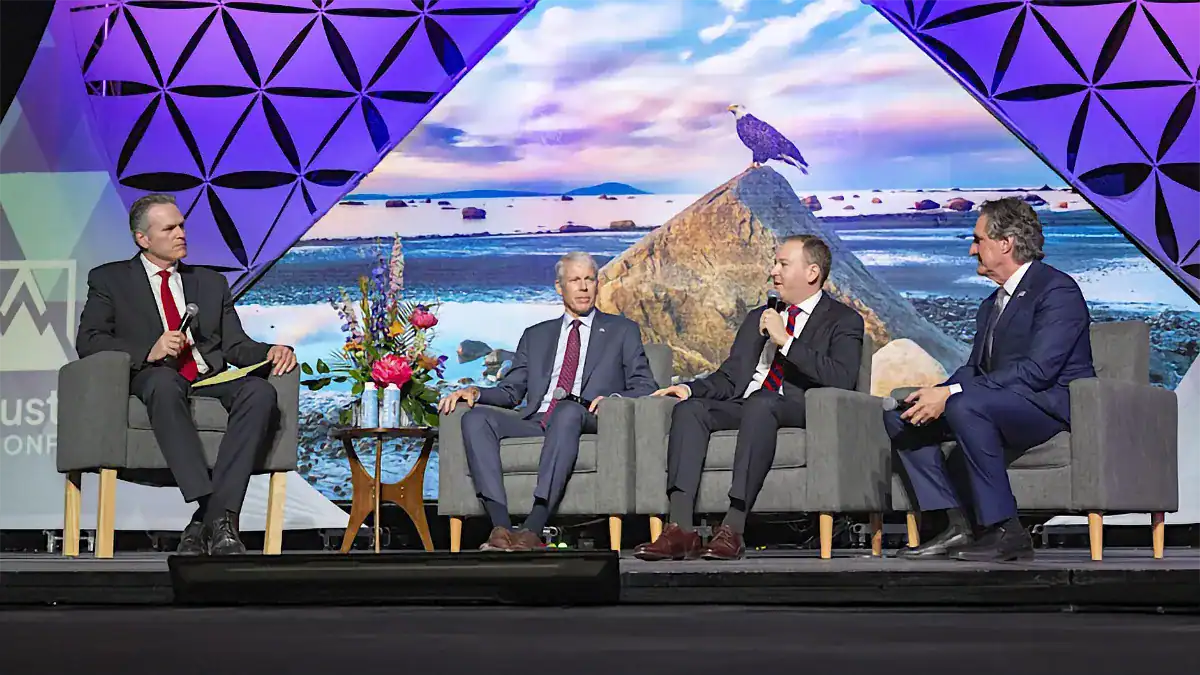
The fifth annual Alaska Sustainable Energy Conference ran May 19-21 at the Dena’ina Center and drew nearly 1,000 energy leaders, investors, innovators and policymakers from at least 35 U.S. states and 10 countries, according to the governor’s office. Gov. Mike Dunleavy used the gathering to argue that Alaska is “back on the map,” while also saying the event was meant to show investors that the state has more to offer than oil alone.
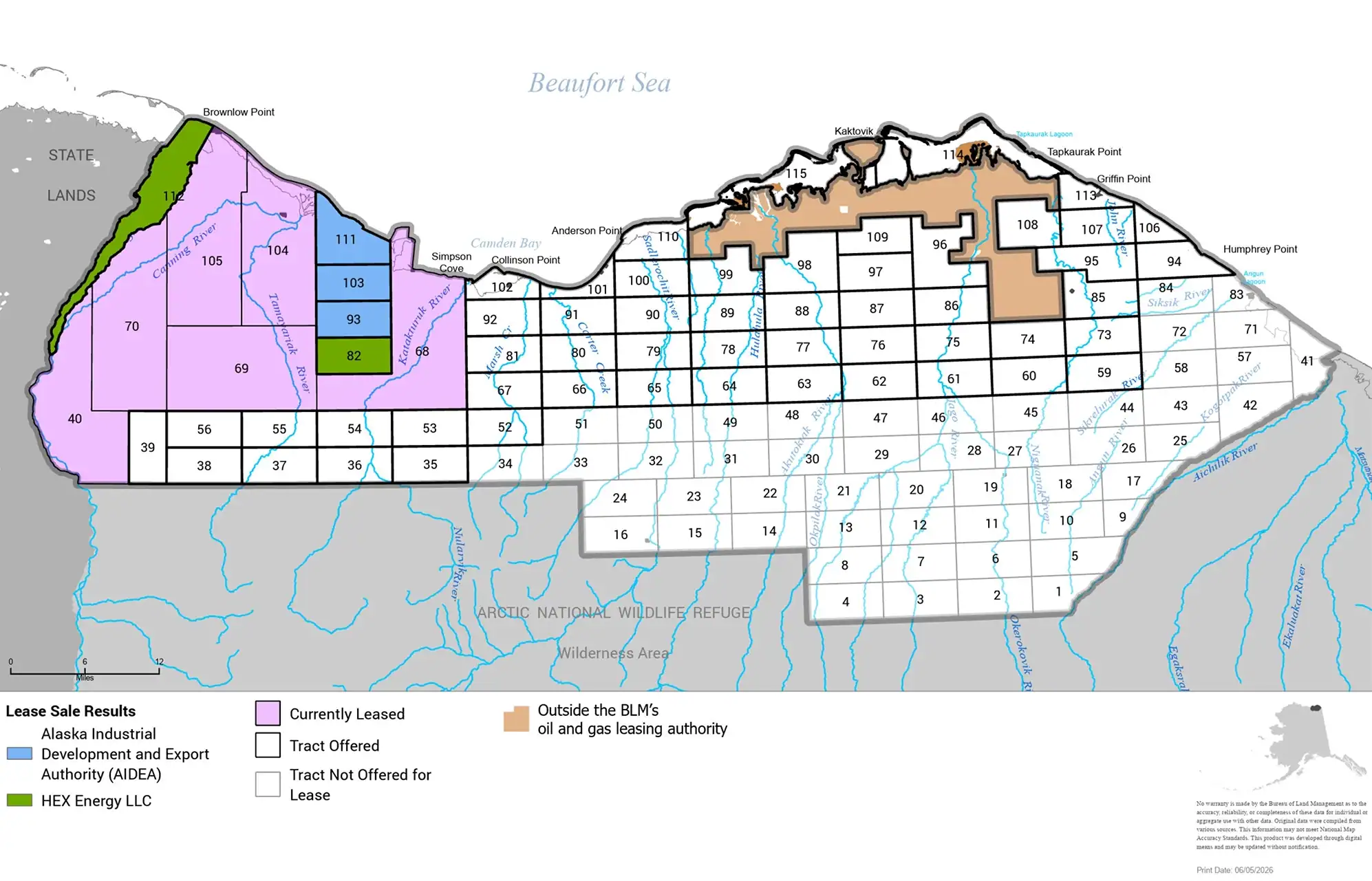
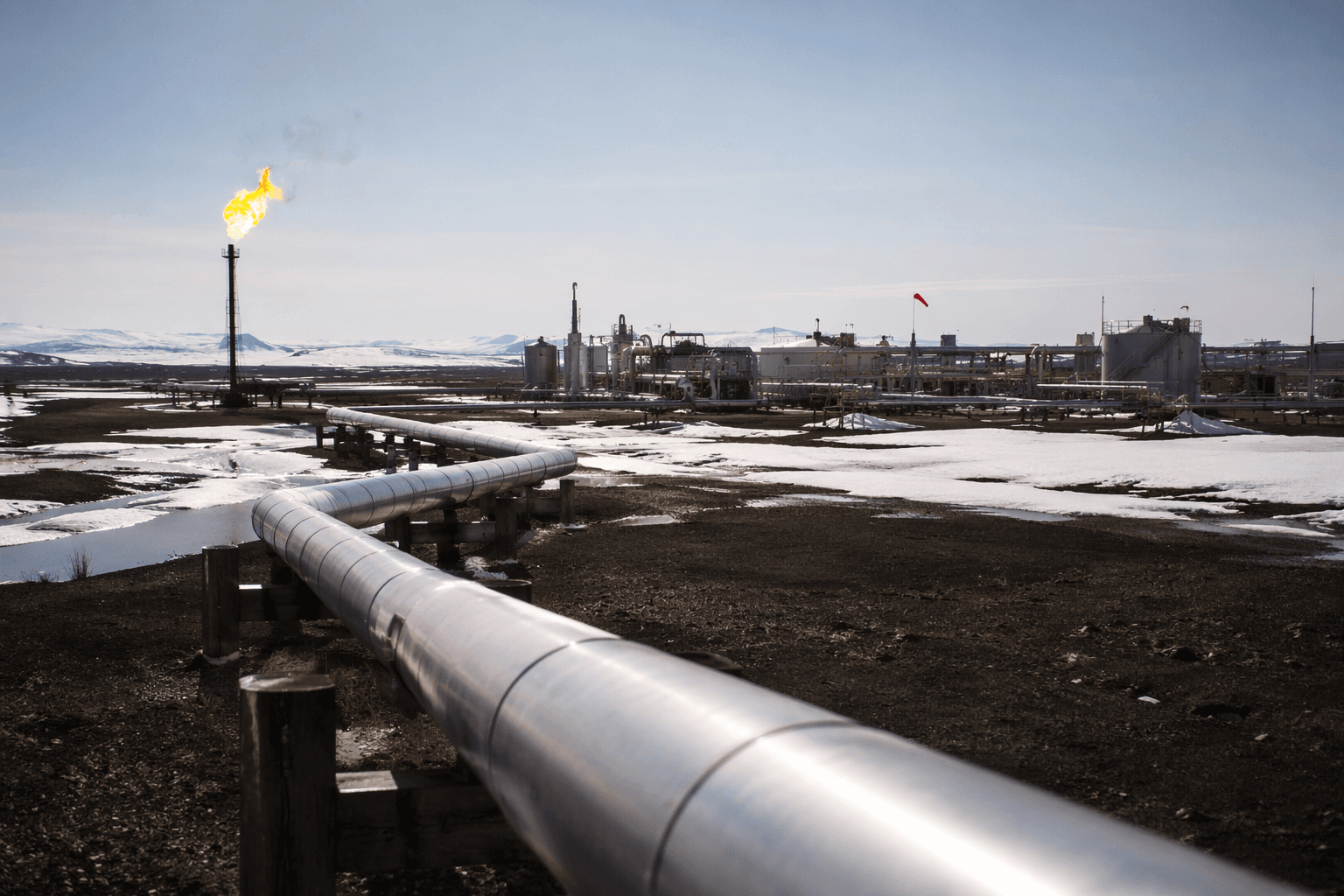
The sharpest North Slope connection came during a fireside chat between Dunleavy and Glenfarne CEO Brendan Duval. Duval said the immediate goal is to make sure there is enough gas for domestic demand, with exports coming later. That matters in Utqiaġvik and across the North Slope because the first phase of Alaska LNG would be about moving gas, building plant sites and laying pipe, not just shipping cargo overseas. The project is commonly described as an about 800-mile pipeline from the North Slope to Southcentral Alaska, where gas would be processed and liquefied. Alaska Public Media has reported that the plan includes a North Slope processing plant and a Southcentral liquefaction plant.

The project is still more promise than steel. Glenfarne and ConocoPhillips announced a North Slope gas sales precedent agreement in May, a step that can help move the project toward a final investment decision on its first phase. But the state’s proposed tax change is still unresolved. Dunleavy has proposed replacing the existing 2 percent annual property tax on gasline infrastructure with a volume-based tax, and lawmakers did not pass the bill during the regular session, sending the issue into a special session. For the North Slope Borough, based in Utqiaġvik and home to about 10,500 residents, the stakes are concrete: local leaders have warned that the change could sharply reduce borough revenue.
The conference also widened the frame beyond one pipeline. The state signed an MOU with POSCO International to advance six development projects, and the state and the University of Alaska Fairbanks signed an MOU with the National Laboratory of the Rockies on critical minerals, energy-system innovation and Arctic infrastructure. The message from Anchorage was that Alaska’s energy pitch is expanding, but for North Slope communities the real test remains whether these deals translate into permits, payrolls, roads, processing sites and a tax base that can support the borough for decades.
This article was produced by Prism’s automated news system from verified source data, official records, and press releases, then run through automated quality and moderation checks before publishing. The system is built and supervised by the people who set the standards it runs under. Read our full AI policy.
Did this article answer your question?