North Slope operators update Alaska Safety Handbook for 2026
Workers who finished NSTC Unescorted before Jan. 1 must take the 2026 handbook update, making the North Slope safety manual a job requirement, not just reading material.
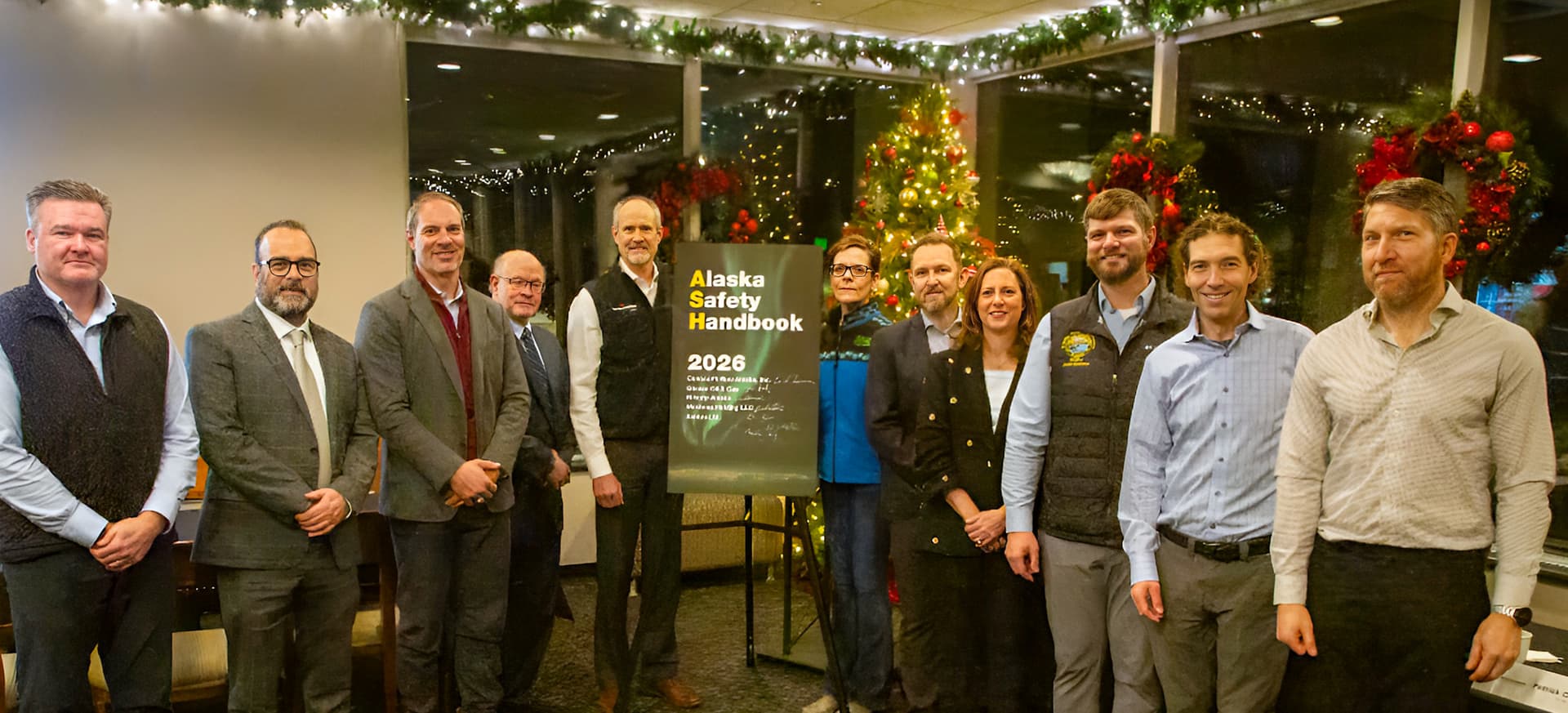
North Slope workers who completed NSTC Unescorted before Jan. 1, 2026 must now complete the 2026 Alaska Safety Handbook update to stay current, underscoring how the manual has become a gatekeeper for work as much as a safety reference.
ConocoPhillips Alaska, Glacier Oil & Gas, Hilcorp Alaska, Mustang Holding LLC and Santos Ltd. unveiled the new edition at an Alaska Safety Alliance meeting, continuing a long-running effort to keep operators aligned on one set of rules across Prudhoe Bay, Kuparuk and the Western North Slope. The handbook, developed and regularly updated by a ConocoPhillips-led committee, is intended to give employees and contractors a single, standardized set of safety procedures applied uniformly across Alaska oil and gas operations.
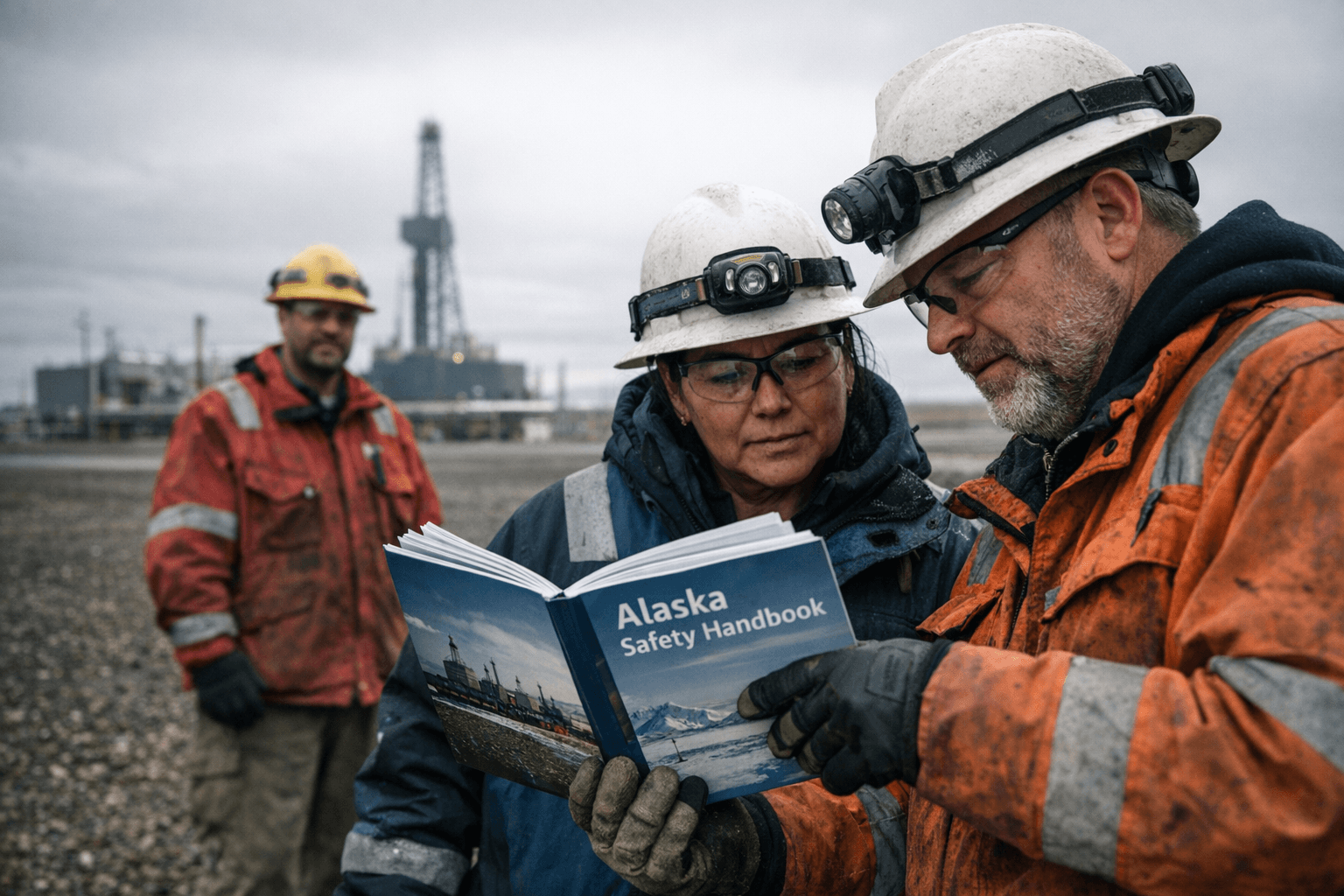
That shared standard matters because work on the Slope runs through weather, darkness, distance and heavy equipment, where confusion between company practices can slow decisions and raise risk. The handbook has been used for roughly 30 years and is refreshed every four years. Its 2026 cover carries the company names and an aurora borealis image, a reminder that the document is built around a region-specific work environment, not a generic corporate policy.
The latest edition expands on the basics workers use every day. It includes sections on supervisor safety expectations, individual safety expectations, safe work expectations, lifesaving rules, process safety fundamentals, personal protective equipment, fatigue management, high wind conditions, cold weather protection guidelines and cold-related injuries. The handbook itself says it has been protecting the North Slope workforce for the last 30 years and defines standards of conduct that must guide day-to-day work.
Alaska Safety Alliance says the handbook is used in the NSTC Unescorted course, where the goal is to give participants practice using the 2026 Alaska Safety Handbook as a reference for daily North Slope work habits and behaviors. The alliance lists the handbook as a retail item priced at $15 and the NSTC handbook module at $45 for non-members and $31.50 for members, showing how the update is built into the region’s formal training pipeline.
For operators, the refresh is more than a paperwork exercise. It ties contractor onboarding, shift routines and job-site behavior to one common manual at a time when the North Slope labor pool is increasingly shared across companies and work sites. In a region where a single misunderstanding can ripple from a tool room to a work zone, the handbook remains one of the few documents meant to travel with the worker from job to job.
This article was produced by Prism’s automated news system from verified source data, official records, and press releases, then run through automated quality and moderation checks before publishing. The system is built and supervised by the people who set the standards it runs under. Read our full AI policy.
Did this article answer your question?