Nuiqsut Trilateral Sues DOI Over Canceled Teshekpuk Lake Right-of-Way
Nuiqsut Trilateral Inc. filed a 42-page federal lawsuit Jan. 28 to block the DOI's cancellation of a Teshekpuk Lake mitigation right-of-way tied to the Willow project.
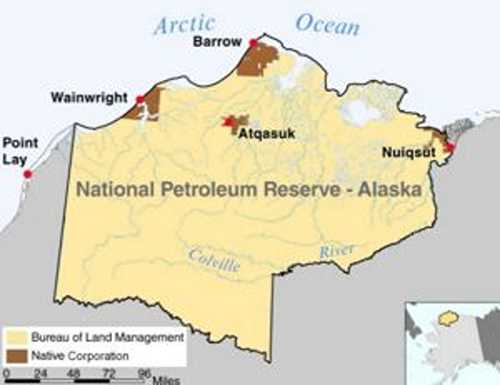
Nuiqsut Trilateral Inc. went to federal court in January to fight the Department of the Interior's cancellation of a mitigation right-of-way that was meant to shield part of the Teshekpuk Lake special area from the effects of the Willow oil development project. The 42-page complaint, filed January 28 in the U.S. District Court for the District of Columbia as Case 1:26-cv-00239, calls the cancellation "unlawful and unconstitutional" and asks the court to block it from taking effect.
The right-of-way at the center of the dispute traces directly to the Bureau of Land Management's 2023 approval of the Willow project. That approval came with a condition: BLM had to mitigate Willow's effects on Teshekpuk Lake, located in the northeastern corner of the 23-million-acre National Petroleum Reserve-Alaska. To satisfy that requirement, BLM signed a right-of-way agreement with Nuiqsut Trilateral Inc. (NTI), the Alaska nonprofit whose board is drawn from the City of Nuiqsut's municipal government, the Native Village of Nuiqsut, and Kuukpik Corporation, an Alaska Native Corporation. Then, in a December 19 cancellation letter, the Department of the Interior annulled the agreement.
NTI was incorporated in Alaska in 2024 as a 501(c)(3) organization specifically to protect the Teshekpuk Caribou Herd and the subsistence way of life it sustains for the Nuiqsut community. The herd depends on calving grounds near Teshekpuk Lake, and Nuiqsut leaders say the population remains fragile following a recent decline. The lake also serves as key habitat for migratory birds. NTI's complaint argues that the cancellation strips the organization of rights guaranteed under the Naval Petroleum Reserves Production Act, other federal statutes, and the U.S. Constitution, while crippling its ability to protect the herd and perpetuate Iñupiat culture and subsistence traditions for future generations.
Roxanna Oyagak, the secretary and treasurer of the NTI Board of Directors, made clear in a prepared statement that the organization is not opposed to development in the reserve. "But we are insisting that the federal government honor the commitments it made to protect subsistence when it approved Willow," Oyagak wrote. "The cancellation of the mitigation for Teshekpuk Lake is unlawful and threatens the balance that Congress required for developing this area."
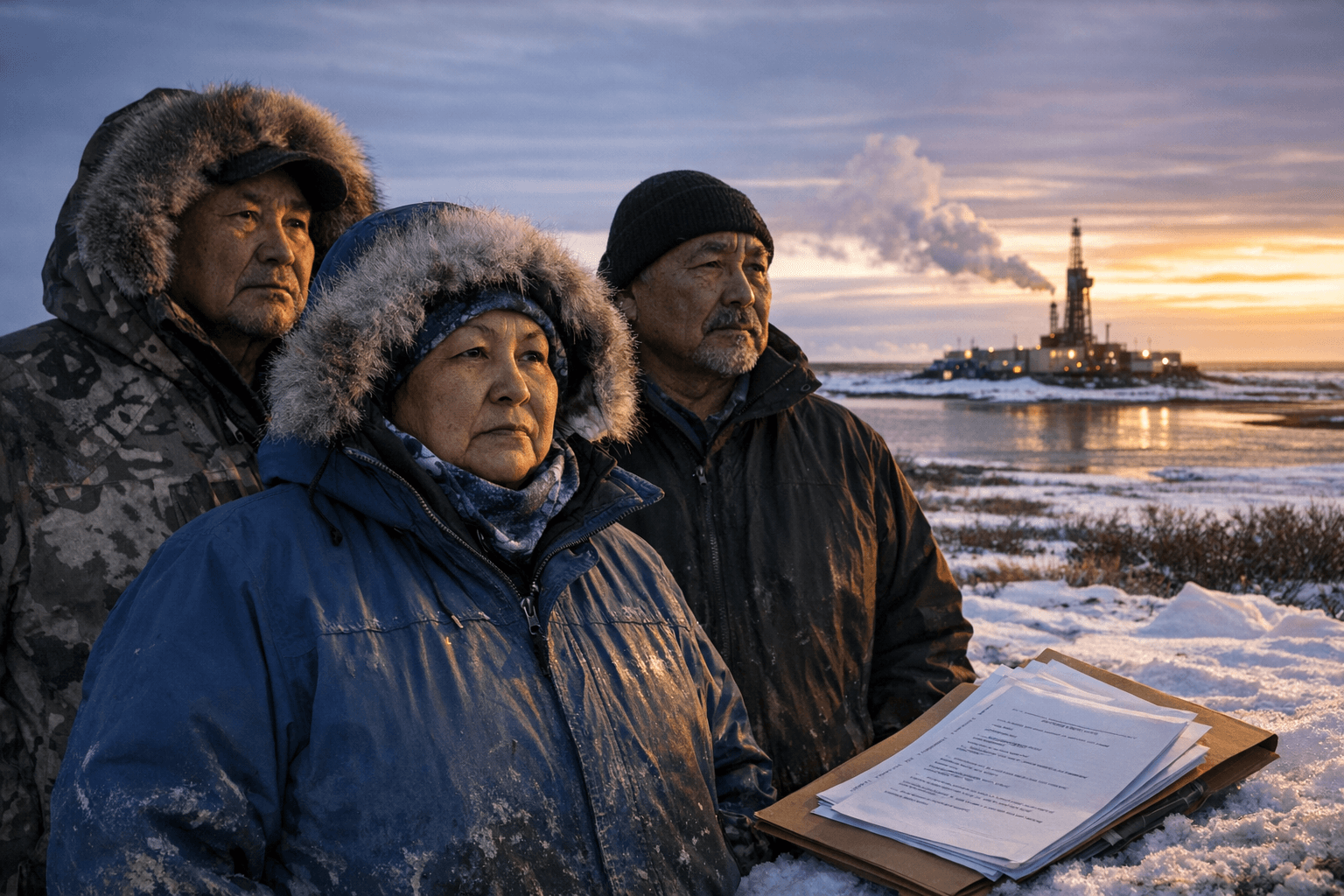
The complaint frames the stakes in constitutional and statutory terms, asserting that the cancellation decision "deprives NTI of its rights under the NPRPA and other federal statutes, the Mitigation Right-of-Way, and the Constitution." It further alleges that the cancellation "jeopardizes the subsistence resources the local community relies on." NTI is seeking both declaratory relief, asking the court to rule the cancellation unlawful, and injunctive relief to stop the cancellation from remaining in effect. The case was filed under venue provisions of 28 U.S.C. § 1391(e)(1), which authorizes suits against federal agencies in the District of Columbia.
No DOI or BLM response to the complaint has been made public. The docket for Case 1:26-cv-00239 in the District of Columbia will show any subsequent filings, including potential motions for a temporary injunction that could restore the right-of-way while the litigation proceeds.
Know something we missed? Have a correction or additional information?
Submit a Tip