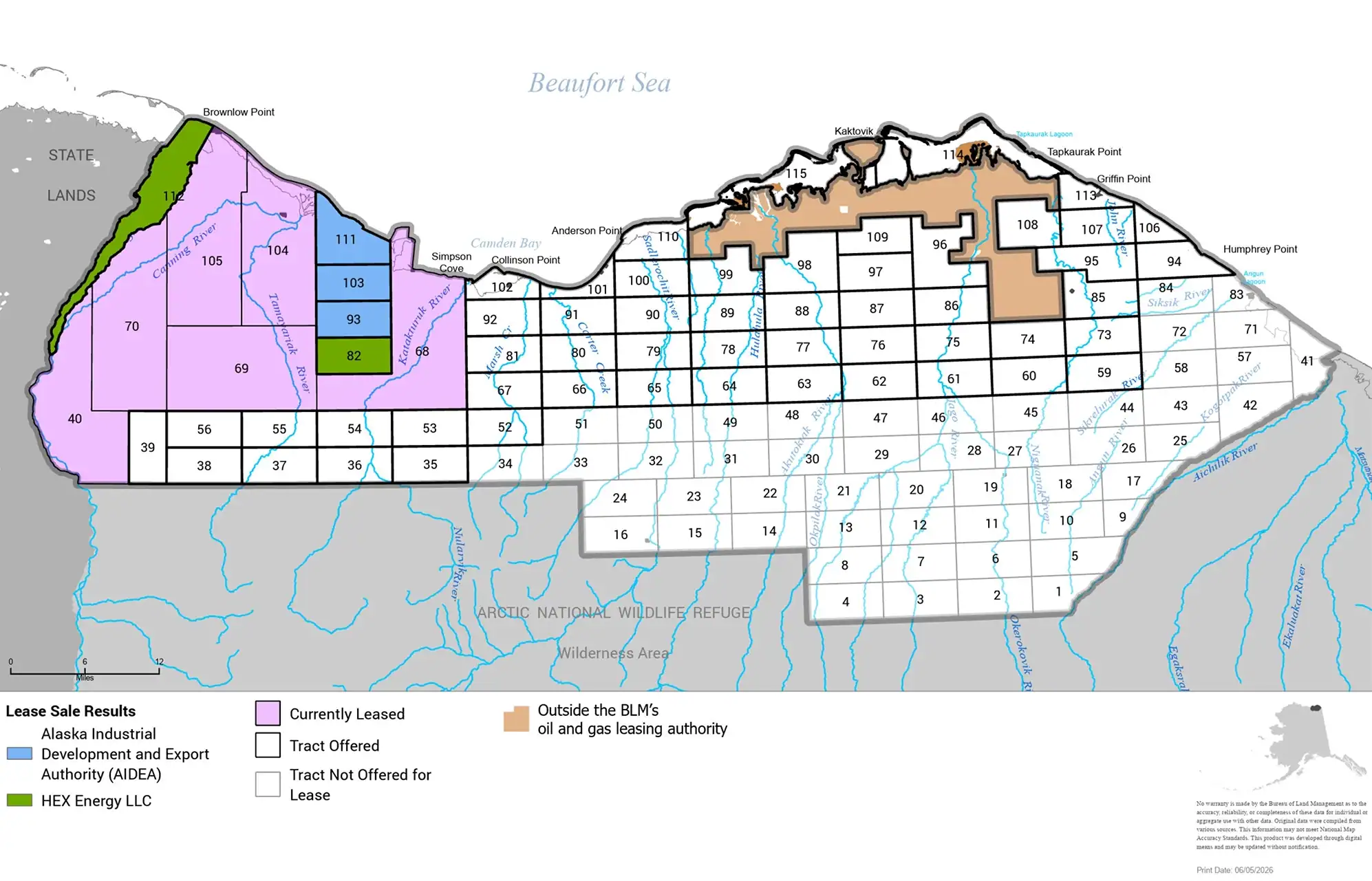
Pikka development reaches first oil on Alaska’s North Slope
Pikka hit first oil after more than a decade of development, with leaders saying the North Slope project could peak at 80,000 barrels a day through TAPS.

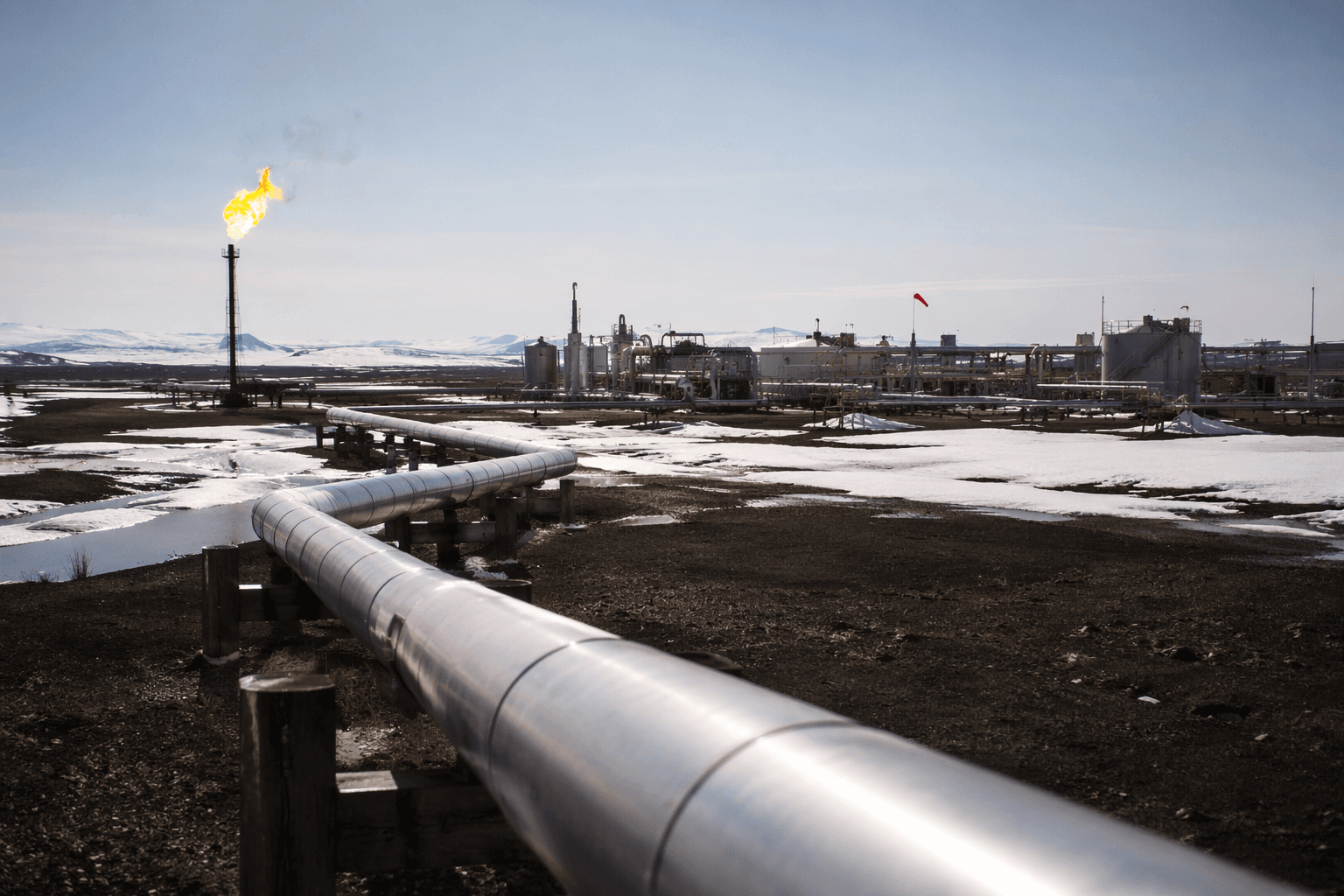
First oil has begun flowing from Pikka, turning a long-delayed North Slope project into a working field with real economic consequences for borough residents, contractors and the Prudhoe Bay industrial corridor. After more than a decade of development, the milestone marked the point where political language about future growth started to meet actual production.
The state’s congressional delegation quickly framed the start-up as a major win for Alaska. Sens. Dan Sullivan and Lisa Murkowski, along with Rep. Nick Begich, praised Santos and Repsol after the companies announced the project had begun producing oil. Murkowski called it a major event for the region, saying it would help refill the Trans-Alaska Pipeline System, create jobs and bring billions of dollars to Alaska over the project’s lifetime.
Sullivan described Pikka as Alaska’s largest oil development in more than 20 years and said the project should ultimately produce about 80,000 barrels a day at peak production through TAPS. That figure matters beyond the ceremony of first oil: more throughput helps support the pipeline system that remains central to the state’s oil economy, and it reinforces the North Slope’s role as the engine of Alaska’s petroleum future.
For borough communities, the near-term impact is likely to be measured less in slogans than in the work that follows. First oil typically translates into more demand for logistics, construction support, operations and maintenance, along with the subcontracting and service work that surrounds a new producing field. The project is expected to bring billions in investment and thousands of direct and indirect jobs over time, a scale large enough to influence local hiring, business activity and revenue expectations.
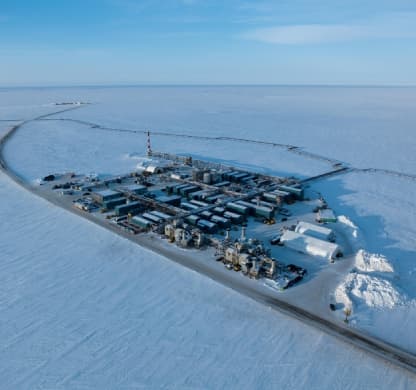
That does not mean the benefits will arrive evenly or all at once. What happens on the ground in places tied to North Slope oil activity will depend on how quickly production grows, how much work remains to be done and how much of that spending stays in Alaska. But after years of permitting, capital spending and technical development, Pikka has moved from promise to output, and the next phase will determine how much of that value reaches borough offices, local workers and nearby communities.
This article was produced by Prism’s automated news system from verified source data, official records, and press releases, then run through automated quality and moderation checks before publishing. The system is built and supervised by the people who set the standards it runs under. Read our full AI policy.
Did this article answer your question?