Prudhoe Bay Travel Guide Helps Visitors Navigate Alaska's North Slope Industrial Hub
Deadhorse sits 498 miles from Fairbanks at the farthest drivable point in the USA, where polar bears roam oil-field roads and walking between buildings can get you killed.
Prudhoe Bay and its working settlement of Deadhorse occupy a singular place on Alaska's map: the northernmost edge of the North Slope Borough, right on the frozen shores of the Arctic Ocean. This is not a destination that eases you in. It sits roughly 300 miles beyond the Arctic Circle, about 240 miles north of Coldfoot, 498 miles from Fairbanks, and more than 1,000 miles from Homer. The oil fields here are the largest in both the United States and North America, and their influence on Alaska's economy stretches back to the 1970s. Coming here means entering a place where, as one description puts it, "the resilience of the human spirit meets the raw power of the Arctic."
What Prudhoe Bay Actually Is
Deadhorse is the industrial heart of Prudhoe Bay, functioning as the transportation and supply hub for the North Slope oil fields and holding a geographic distinction that no other road-accessible place in the country can claim: it is the farthest north you can drive in the USA. That fact alone draws a particular kind of traveler, but the reality on the ground is less scenic overlook and more active industrial worksite. Prudhoe Bay is primarily a working settlement rather than a standard tourist city, and every decision you make as a visitor should start from that understanding. The infrastructure here exists to support oilfield operations and to serve employees, contractors, and visitors bound for the Beaufort Sea coastline and tundra, not to accommodate leisure tourism in any conventional sense.
Getting There: The Dalton Highway
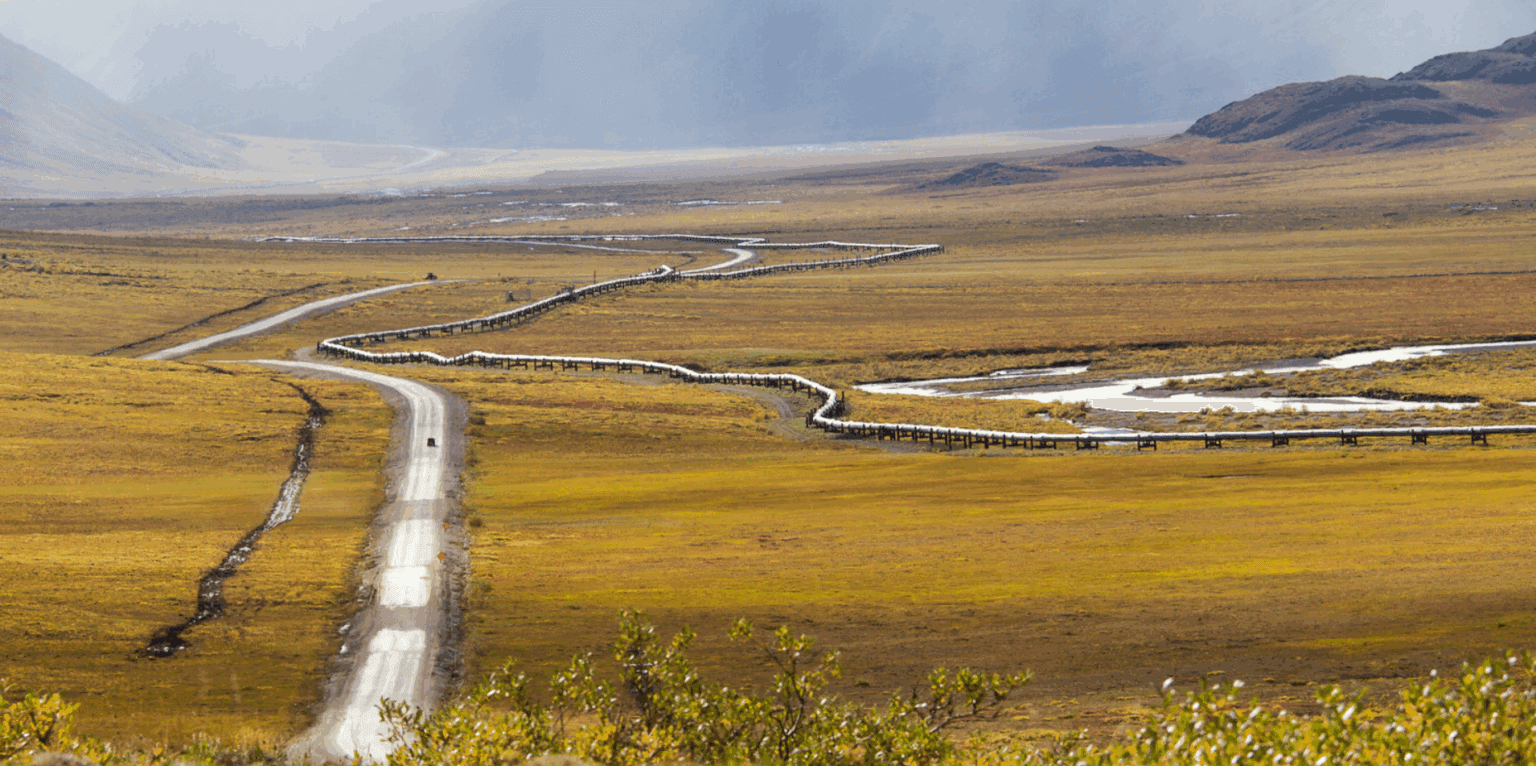
The overland route to Prudhoe Bay runs north from Fairbanks along the Dalton Highway, known locally as the Haul Road and perhaps even more famous nationally as the "Ice Road," a trucker supply route to the North Slope oil fields. The drive from Fairbanks to Coldfoot alone takes approximately eight hours including frequent stops, and that covers only the first leg. Along the way, stops include the trading post at Joy, the Yukon River, and a ceremonial crossing of the Arctic Circle. In the evening on that first day, the historic gold mining community of Wiseman offers a striking contrast to the industrial destination ahead. Overnight accommodation at Coldfoot Camp marks the midpoint before the push north to Deadhorse.
Guided van tours, which travel the full Fairbanks-to-Deadhorse route, also incorporate visits to the Arctic National Wildlife Refuge and the Brooks Range. For those who want an aerial perspective, an optional flight provides a bird's-eye view of the Gates of the Arctic National Park. Rustic accommodations in both Coldfoot and Deadhorse give travelers a direct experience of what true life in rural Arctic Alaska looks and feels like. The return from Deadhorse is typically by air, flying south across the Arctic Circle back to Fairbanks, with arrival typically between 1 p.m. and 4 p.m. on clear days offering views of both the Brooks Range and the Arctic Ocean below.
Safety and Movement Inside Deadhorse
The single most important thing to understand before stepping out of your vehicle in Deadhorse is this: walking between buildings or exploring on foot is strongly discouraged and often prohibited. The reasons are twofold. First, heavy industrial traffic moves constantly through the camp, and the roads are shared with large equipment that does not yield easily. Second, grizzly and polar bears frequent the area, creating a genuine wildlife hazard that is not a theoretical concern. For your safety, you should always use a vehicle to move from one point to another, even for relatively short distances.
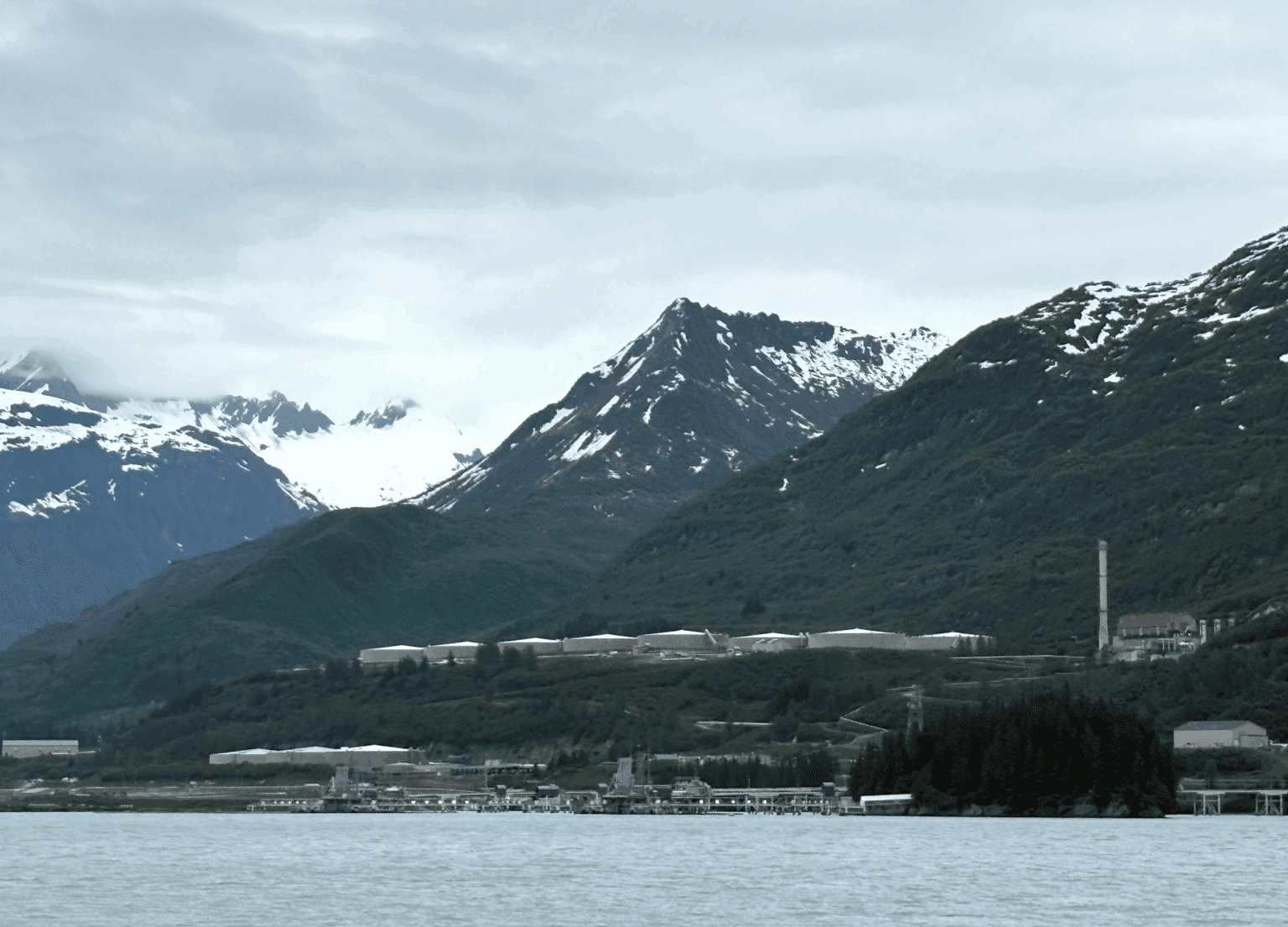
Access to the oil fields themselves is further restricted. The Arctic Ocean Shuttle Tour provides one of the only sanctioned opportunities to get a closer look at Prudhoe Bay's oil infrastructure, and even then, access is limited due to safety restrictions. What that glimpse does reveal is the sheer scale of operations that have shaped modern Alaska across more than five decades.
Visiting the Arctic Ocean
On days when it is accessible, the Arctic Ocean itself is reachable from Deadhorse, and the experience of standing at the edge of it, or dipping your toes in the shallows, is one of the defining moments of any North Slope journey. The qualifier matters: access depends on conditions, and whether the water is reachable on a given day is not guaranteed. Plan for it, but do not build an entire itinerary around it as a certainty.
The Arctic Tundra
Step outside the industrial perimeter and the landscape shifts into something that operates on entirely different terms. The Arctic tundra surrounding Prudhoe Bay is one of Earth's most unique ecosystems, defined by frozen ground, short summers, and a treeless expanse covered in mosses, lichens, dwarf shrubs, and grasses that survive conditions most vegetation cannot. The contrast between this fragile, slow-moving biological world and the industrial infrastructure pressing against it is not lost on anyone who spends time here. The area's industrial setting and limited access are part of what makes it so fascinating, a true frontier where wilderness and human determination coexist.
Nearby Communities and Broader Exploration
For those interested in the wider North Slope region, the closest neighboring hub is Kuparuk, located approximately 28 kilometers from Prudhoe Bay. Like Deadhorse, it is centered on oil production, and a visit offers additional perspective on the engineering scale required to operate in the Arctic. Reaching Kuparuk and other nearby communities typically requires air travel or careful logistical planning, given the limited road network and the vast distances that define life at this latitude.
The broader itinerary context matters here. When Prudhoe Bay is positioned as the northern terminus of a journey that includes Gates of the Arctic National Park, a stay at Coldfoot Camp, a walk through the gold-mining history of Wiseman, and a scenic flight over the Brooks Range with Coyote Air, it becomes the fitting finale to one of Alaska's most demanding and rewarding road trips. Seen in isolation, Deadhorse is a hard-edged industrial camp. Seen as the endpoint of a route that has crossed the Arctic Circle and traced the spine of the Brooks Range, it carries the weight of everything that came before it.
Practical Expectations
Preparing thoroughly is not optional here. Being well-prepared is essential to ensure a journey to the top of the world is safe and enjoyable, and respecting the unique rules of this industrial outpost is the baseline for any visit. There are no standard tourist amenities, no conventional nightlife infrastructure, and no guarantee that any particular activity will be available on any given day. What Prudhoe Bay offers instead is something rarer: a perspective on the intersection of human industrial ambition and Arctic wilderness that very few travelers ever encounter firsthand, and that no amount of preparation can fully anticipate until you are standing at the edge of the Arctic Ocean, 498 miles north of where you started.
Know something we missed? Have a correction or additional information?
Submit a Tip