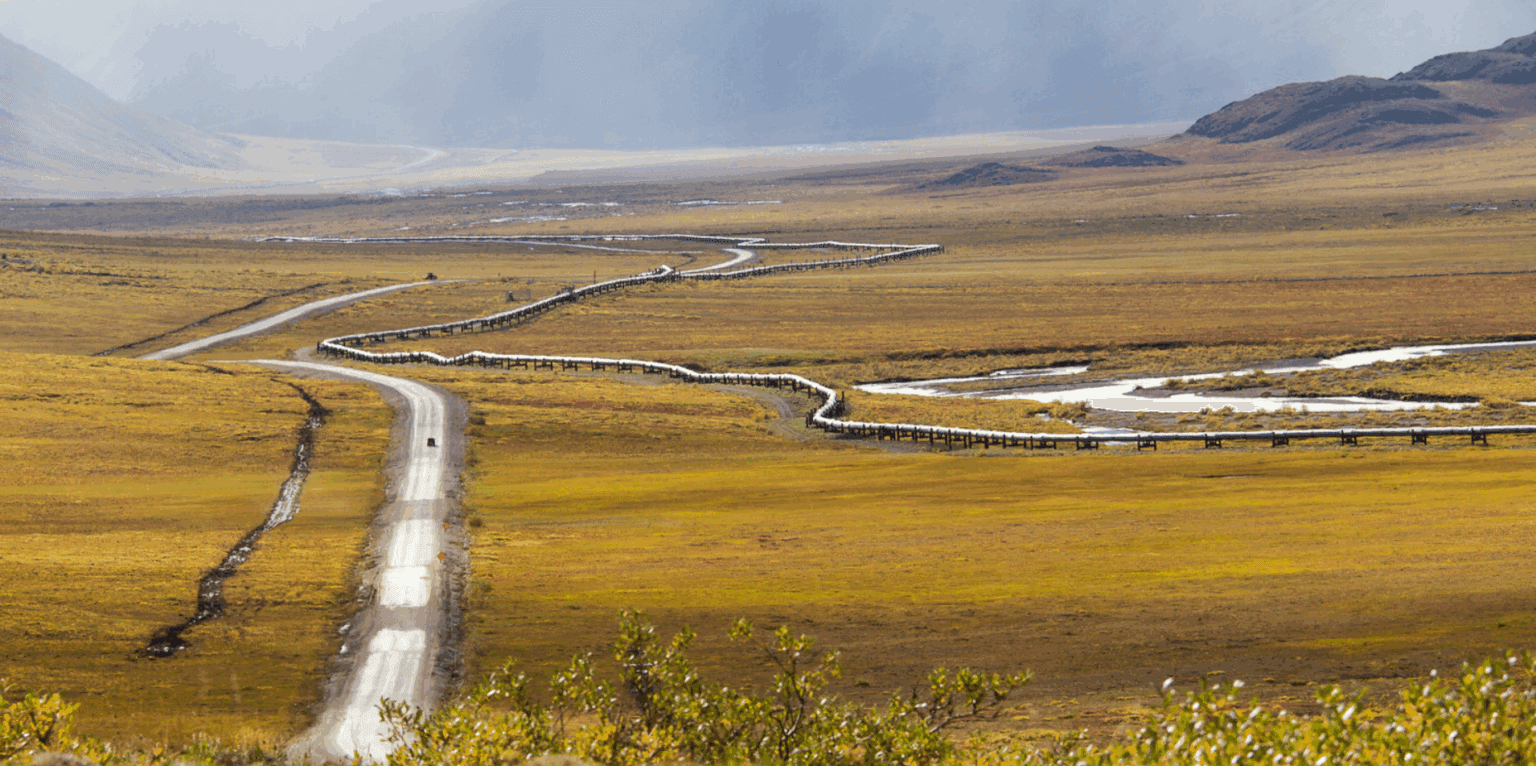
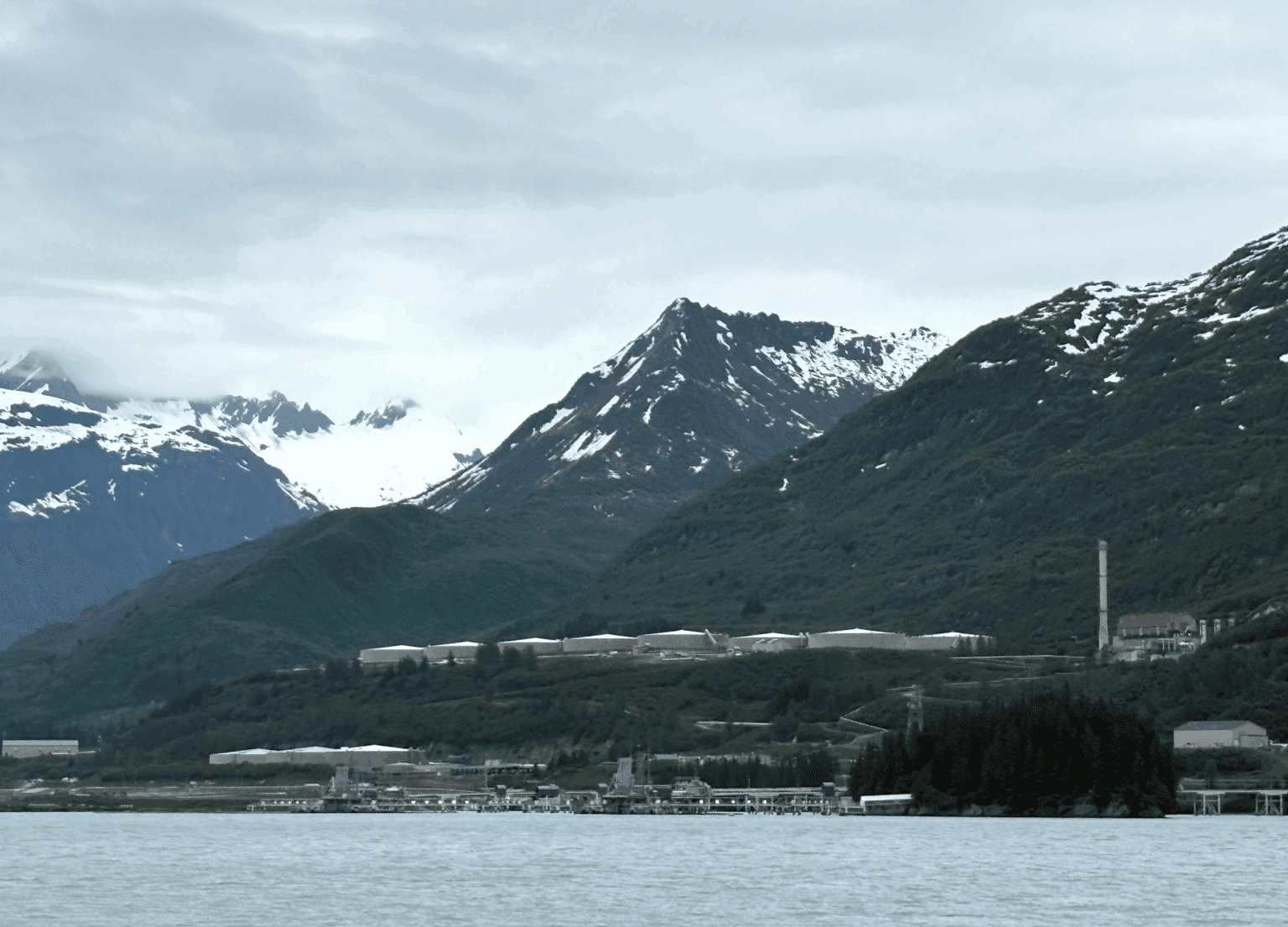
Quintillion Prepares Repair, North Slope Communities Remain Offline
Quintillion issued an update on November 17 saying it has staged crews and equipment to repair a subsea fiber break that occurred in mid June approximately 55 kilometers north of Oliktok Point, but winter sea ice has so far blocked access. The outage disrupted broadband and cellular transport for western and northern Alaska communities, leaving residents reliant on satellite alternatives and temporary measures while a safe open water repair window is awaited.
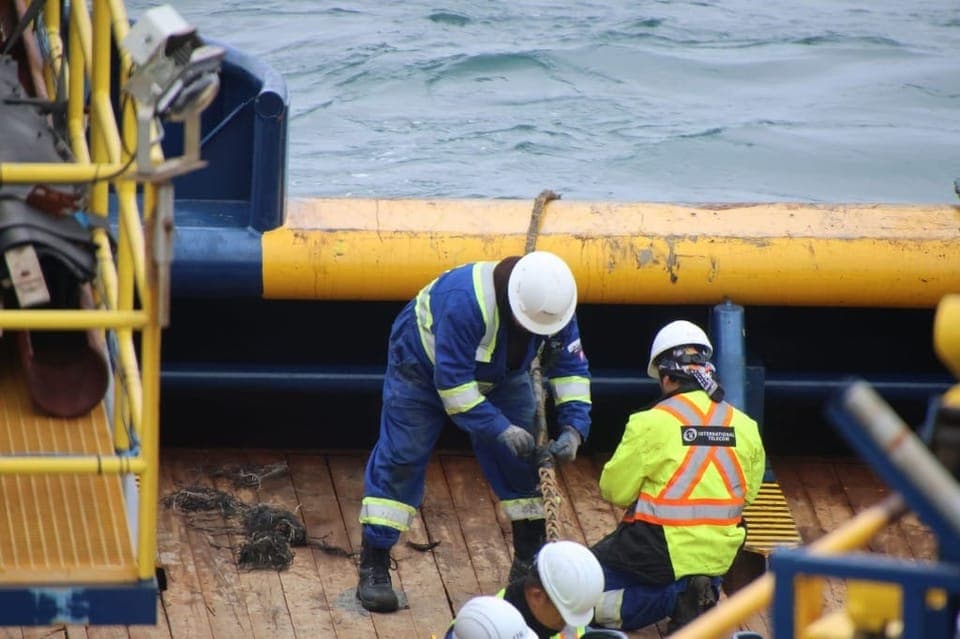
Quintillion notified the public on November 17 that it has organized a repair team and staged resources to address a subsea fiber optic cable break that occurred in mid June roughly 55 kilometers north of Oliktok Point. The company said an ice scour event damaged the cable, and that winter sea ice conditions have prevented repair vessels from reaching the site. Crews and equipment are ready and waiting for safe maritime access before undertaking an undersea repair.
The cut in the cable has affected services that carry broadband and cellular traffic for communities across western and northern Alaska. Local providers and residents turned to satellite alternatives and other interim measures during the outage. Quintillion described contingency planning that includes temporary terrestrial or hybrid solutions where feasible, while the firm waits for an open water repair window to complete an undersea patch.
For North Slope Borough residents the interruption has practical consequences. Broadband and cellular transport support emergency communications, telehealth appointments, education, government services and many local businesses. Reduced bandwidth and reliance on satellite links can raise costs, increase latency for critical services and complicate data dependent operations across the region. Community reliance on alternatives underscores how a single subsea route can become a systemic vulnerability for remote networks.
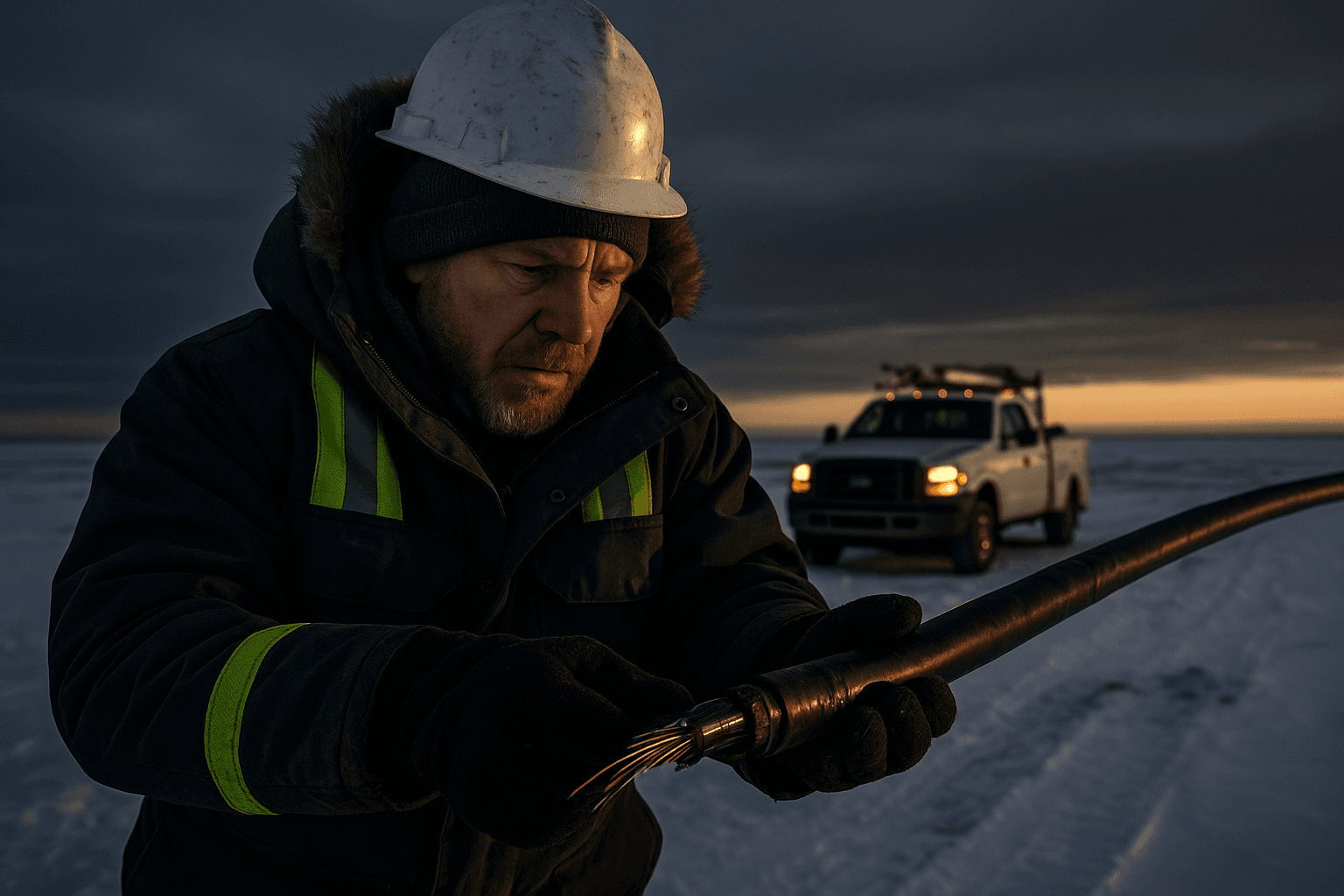
The episode highlights broader economic and policy questions about Arctic infrastructure resilience. Repair delays tied to seasonal ice illustrate the limits of single asset connectivity in high latitude settings and the premium that safe maritime windows place on response time. Market implications include higher short term costs for providers and customers, potential revenue losses for businesses that depend on reliable connectivity and increased investment interest in redundancy options.
Longer term responses could include bolstering terrestrial backhaul where feasible, expanding hybrid networks using satellite low Earth orbit capacity, and pursuing state and federal funding for redundant Arctic routes to reduce single point failures. For now Quintillion and local providers are managing with contingency systems, and North Slope communities must balance constrained communications until the seas clear and repair vessels can safely reach the damaged line.
Know something we missed? Have a correction or additional information?
Submit a Tip