Researchers Fit Twelve North Slope Grizzlies with Collar Cameras to Track Behavior
Twelve North Slope grizzlies were fitted with collar cameras so researchers can document feeding, denning and movement to inform local wildlife management and oil-field planning.

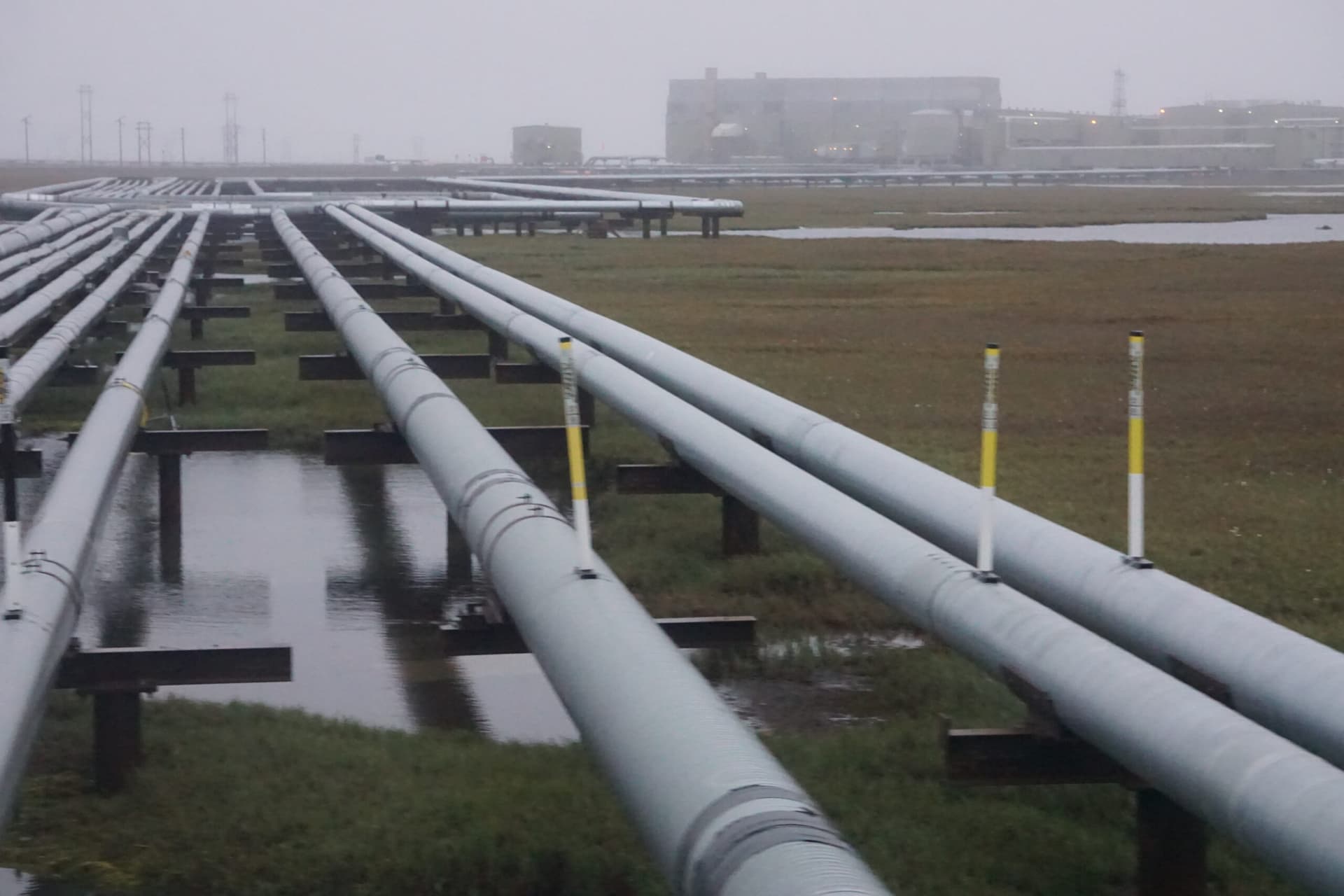
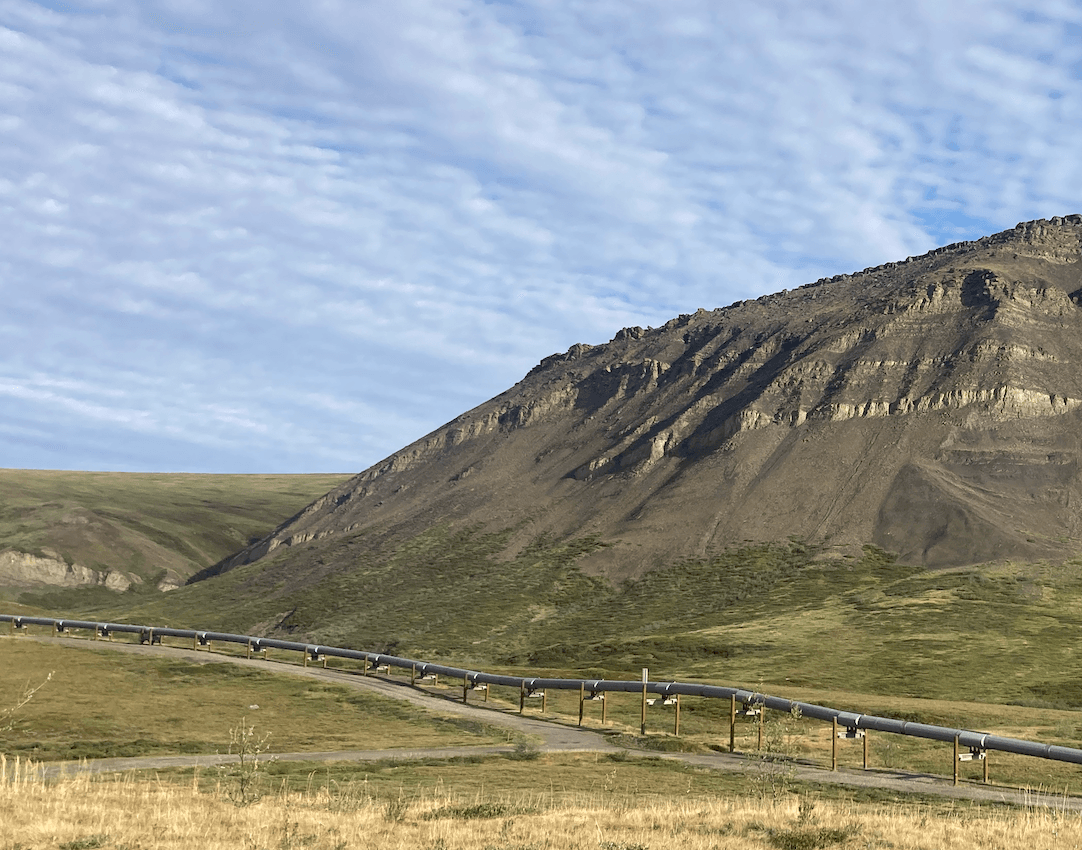
Washington State University and the Alaska Department of Fish and Game fitted 12 grizzly bears on the North Slope with collar-mounted video cameras to record how a remote population finds food, mates and shelter across the short Arctic growing season. The project is designed to map behavior and habitat use and to generate data that could shape oil-field development and identify denning areas that should be avoided when building winter roads between drill sites.
The cameras, attached during helicopter captures, can record up to 17 hours of footage. In spring and summer the devices capture 4- to 6-second clips every 10 minutes; in fall, when daylight shrinks, clips were recorded every 5 minutes during daylight hours. The 12 collared bears are part of a local population estimated at “200 or so” grizzlies that roam tundra near the Arctic Ocean.
Fieldwork began in May 2025, when researchers tracked bears through snow and used aerial darting to sedate animals for collaring. Alaska Department of Fish and Game wildlife biologist Jordan Pruszenski fired tranquilizer darts from the air while Washington State University doctoral student Ellery Vincent tracked injection times and helped determine when it was safe to approach animals on the ground. A photo dated Aug. 5, 2025 documents Vincent and Pruszenski taking measurements and samples from an anesthetized bear prior to affixing a video collar.
Researchers measured weight gain and body fat and took other samples during captures. Collars were fitted with enough slack to allow bears to “grow into them as they put on weight, but not so loose that they would fall off as the bears go about their rough-and-tumble lives.” Vincent described the fitting process: “It is not difficult, but there is a lot of thought that goes into making sure the collar is adjusted properly.”
Video gathered during the 2025 field season shows a range of behaviors: bears playing and fighting, gnawing on a caribou carcass, snarfing up berries, napping on a beach and swimming in ponds looking for fish. WSU-distributed video frames also show encounters with a wolf pack. Many clips are partially obscured by the underside of whiskery muzzles, a reminder of the vantage point researchers are working with.
When the video collars came off, the state department replaced them with GPS collars; researchers also retrieved and downloaded footage in September 2025. Project leaders say the combined video and GPS data will help pinpoint denning locations and movement corridors, information that can be used by regulators and industry to reduce impacts on bears and protect subsistence resources.
For North Slope residents, the study promises practical returns: clearer maps of bear habitat to guide winter road siting and drill-site logistics, and improved information for subsistence harvest planning and public safety. The research team will continue analyzing the footage and movement data, and those findings will be the next step in shaping local management and development decisions.
Know something we missed? Have a correction or additional information?
Submit a Tip