Rig 26 spill cleanup continues on Western North Slope, fire contained
Crews had recovered 3,749 gallons from the Rig 26 spill by April 9, but the cleanup stayed in phase 3 after a vacuum-truck fire and more work through breakup.
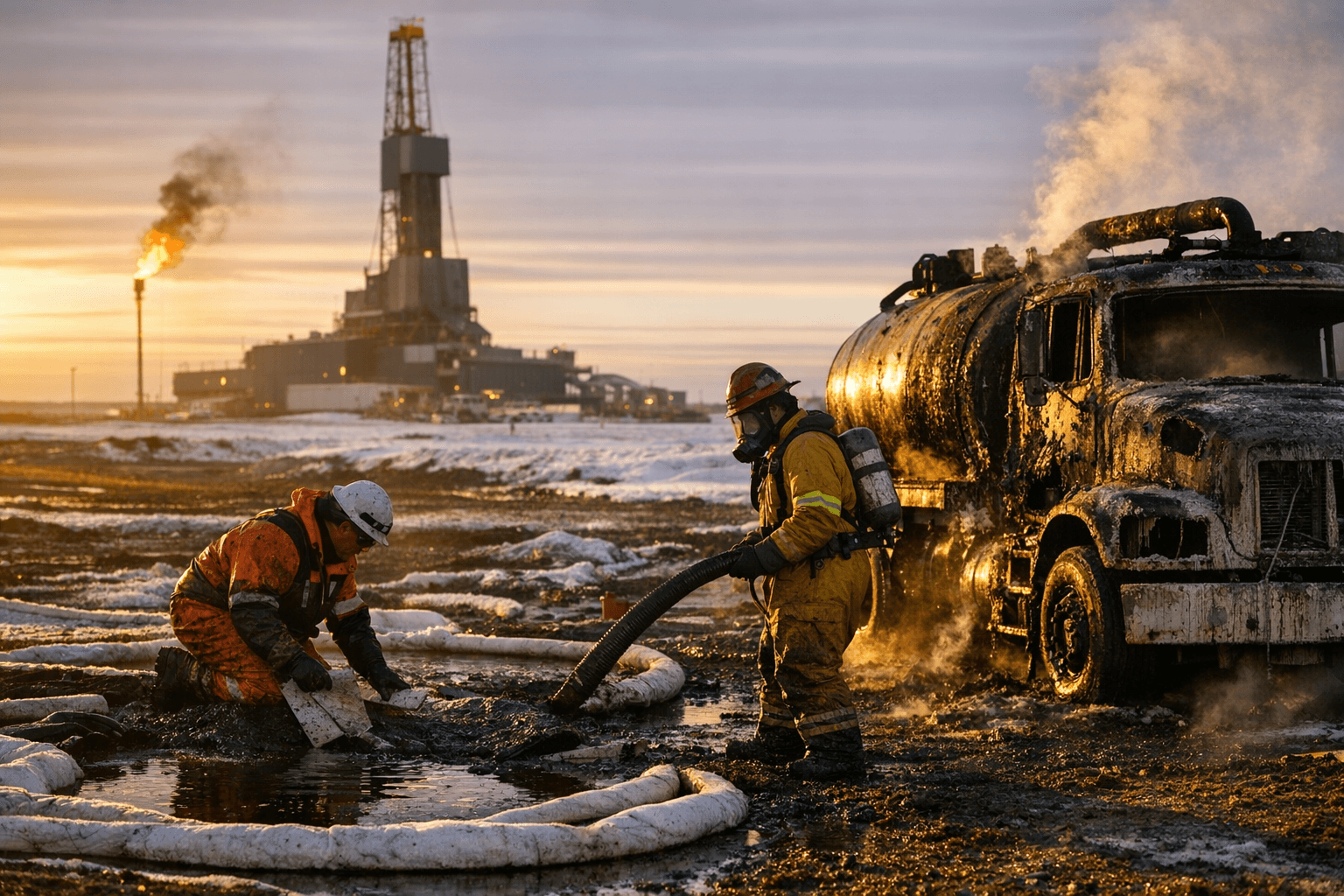
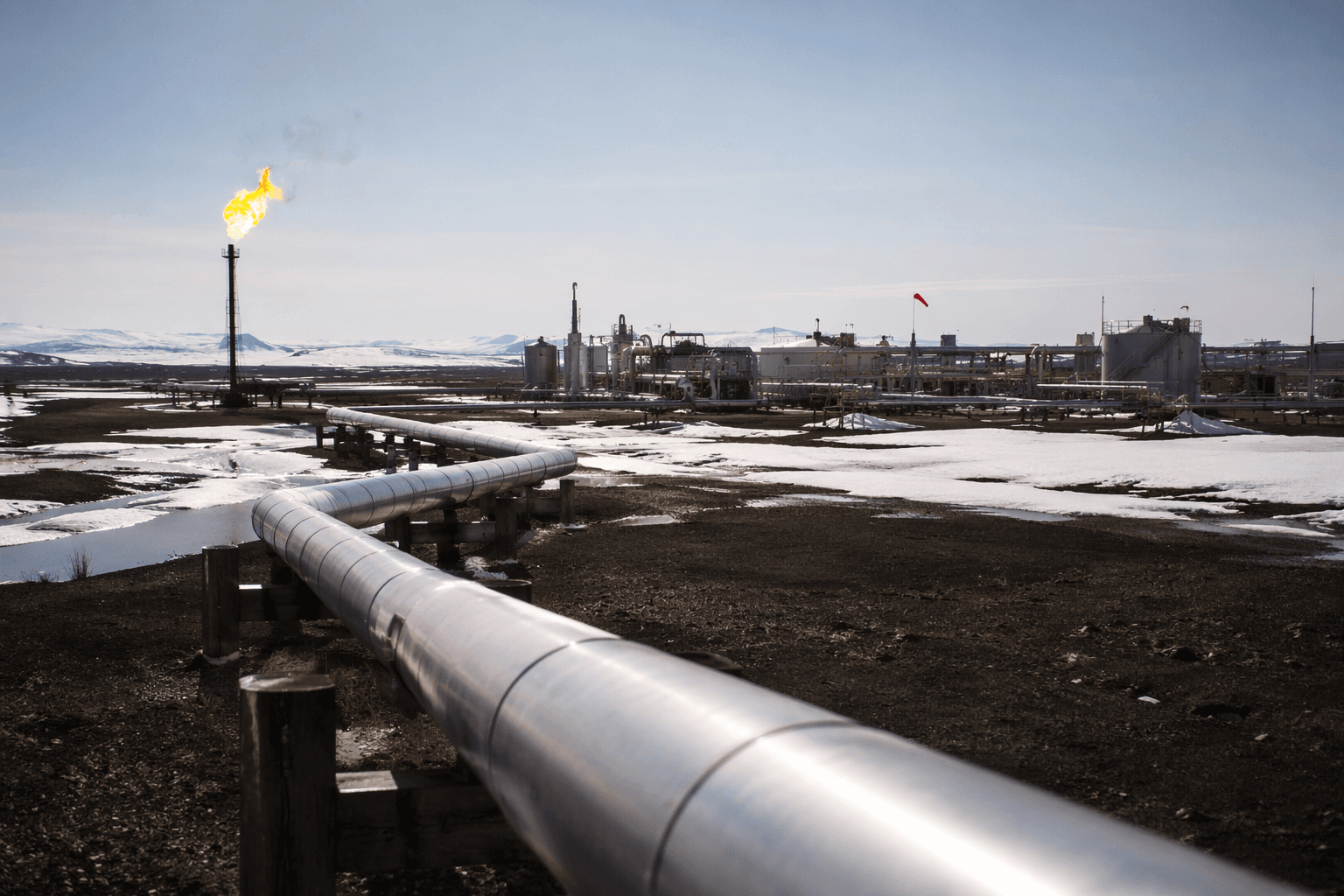
Cleanup of the Rig 26 spill near Nuiqsut remained in phase 3, with crews still working the long tail of an incident that toppled the rig off the road and onto the tundra on Jan. 23. For the western North Slope, that means the response is no longer about the initial rescue and containment. It is now about keeping people, equipment and monitoring in place through breakup, when thawing ground can change access, slow recovery and test whether the cleanup plan holds up.
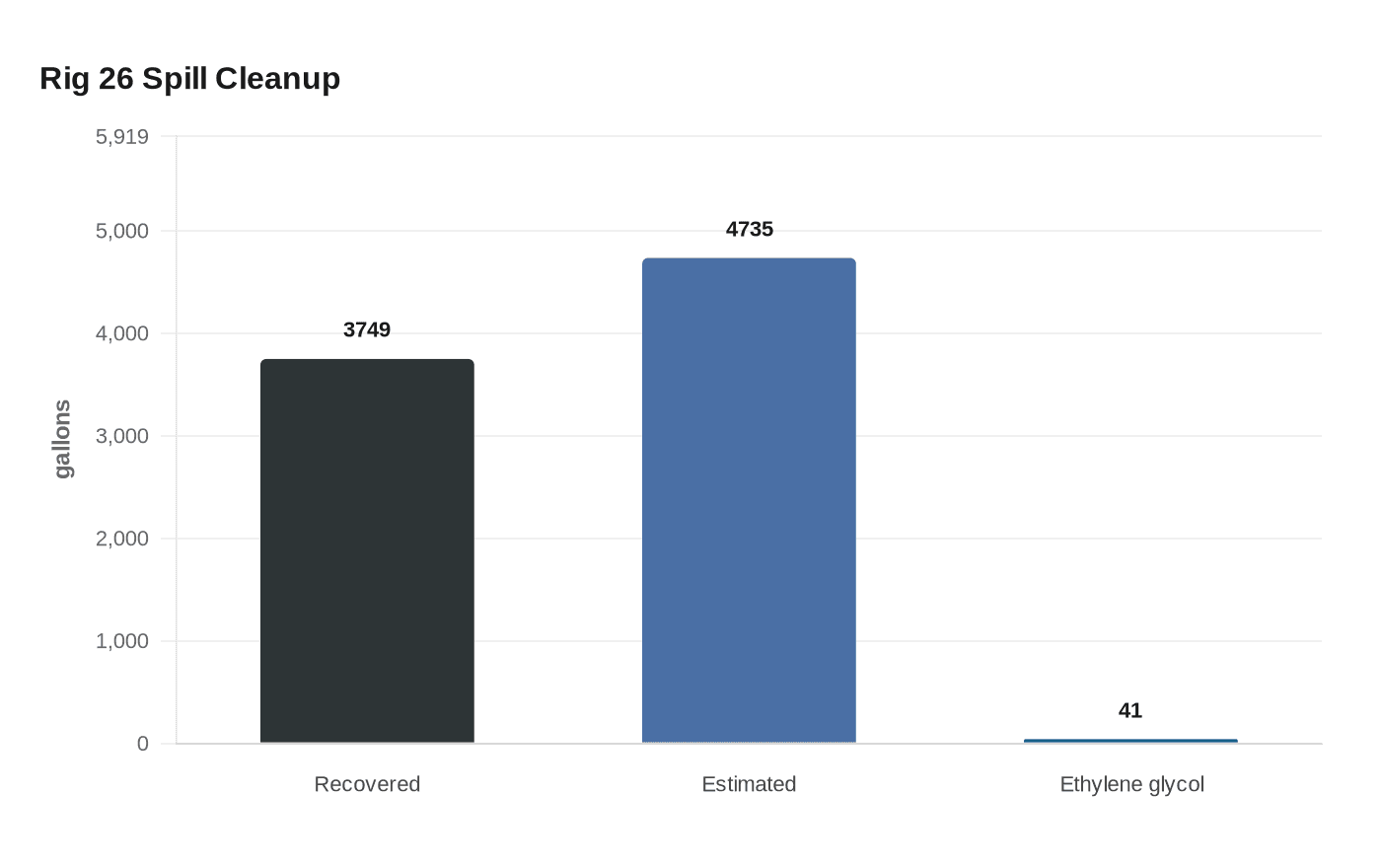
By April 9, crews had recovered about 3,749 gallons of spilled material out of an estimated 4,735 gallons, along with 41 gallons of ethylene glycol from the rig’s coolant system. That leaves a narrow margin between a recovery operation and a finished site, especially on tundra where snow, ice and saturated ground can trap contamination beyond the reach of a first pass.
Doyon Drilling Inc. is leading the response under a unified command structure. The work now centers on final cleanup, mitigation, remediation and monitoring, with a summer site visit planned to judge whether the chosen tactics continue to work as conditions shift. In practice, that means the cleanup has to survive not just the spill, but the season.
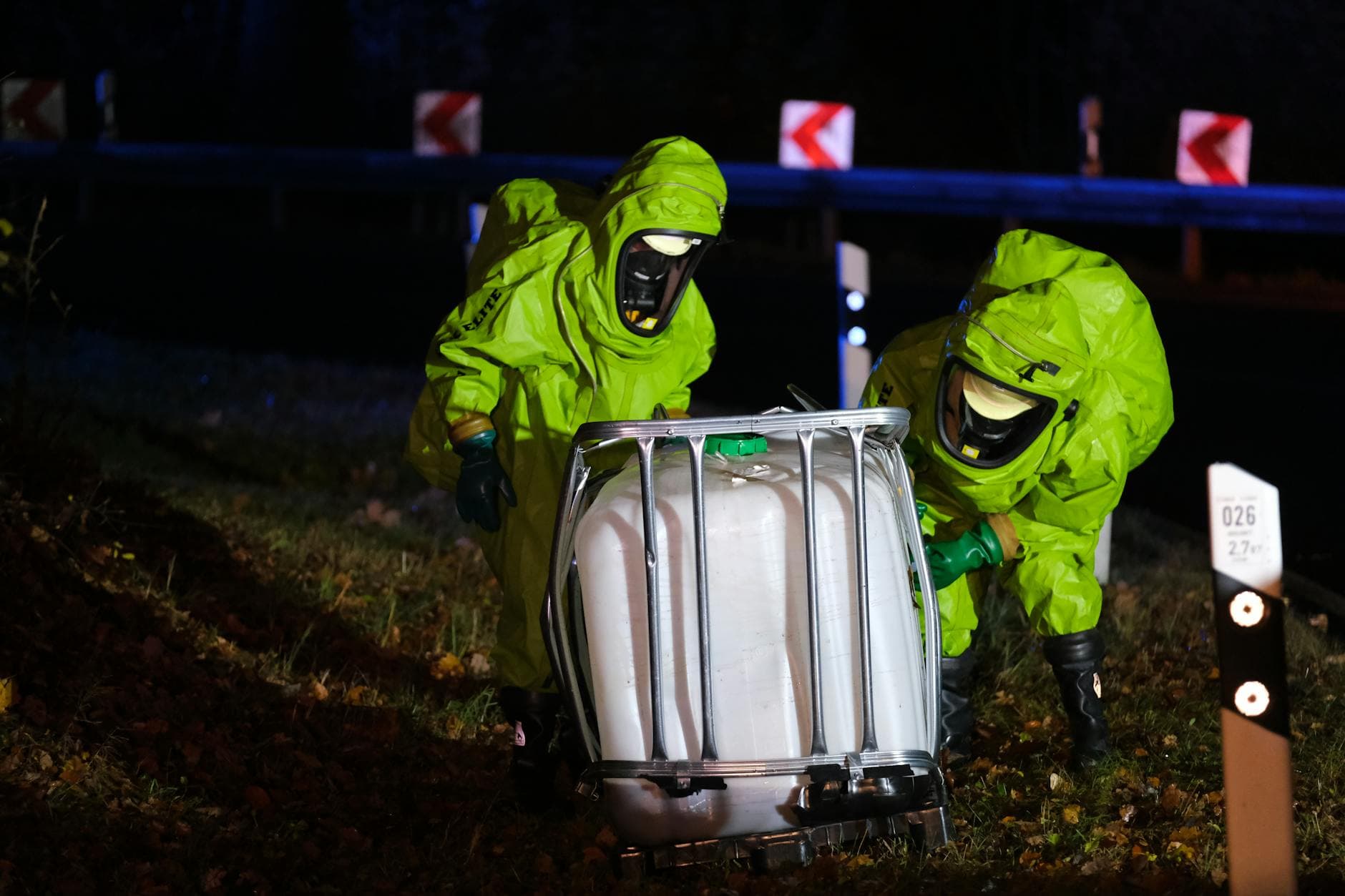
The response has also shown how risky cleanup work can be even after the fire on the rig itself is no longer the headline. On April 10, a small fire broke out on one of the vacuum trucks supporting the spill recovery effort. No injuries were reported, and the fire was brought under control quickly. The incident underscored how much heavy equipment remains tied to the site and how dependent the operation is on constant logistics in a remote Arctic setting.
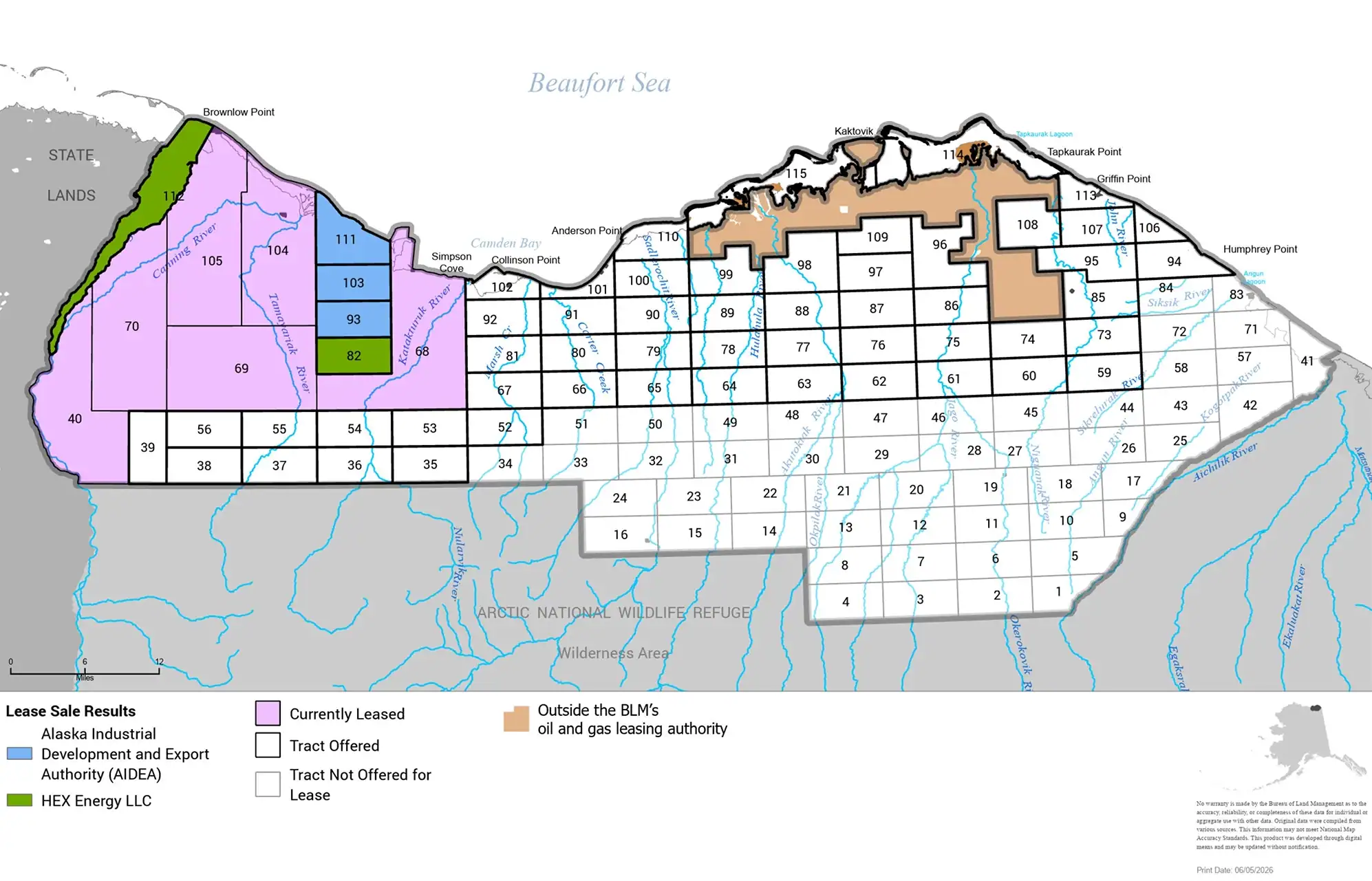
Crews have been using a flush-and-recover method, washing contaminated snow, ice and tundra with warm water so oil or other product can rise to the surface and be vacuumed into collection equipment for hauling and disposal. The Alaska Department of Environmental Conservation says the site is about 6.5 miles northwest of Nuiqsut, the cause remains unknown, and there is no immediate risk to the community, nearby infrastructure, drinking water sources, traffic, air quality or wildlife.
Wildlife agencies, along with local and tribal entities, are helping shape seasonal protection plans as the work moves into spring and summer. For North Slope observers, the real measure of success will not be a headline recovery percentage alone, but whether the site can be finished cleanly without leaving a lingering burden on tundra access, contractor work and confidence in spill response on Alaska’s western edge.
This article was produced by Prism’s automated news system from verified source data, official records, and press releases, then run through automated quality and moderation checks before publishing. The system is built and supervised by the people who set the standards it runs under. Read our full AI policy.
Did this article answer your question?