State Budget Talks Leave Public Broadcasters Facing Uncertain Future
A December 21 analysis found that draft state budgets treat public broadcasting line items modestly, leaving small rural stations exposed as lawmakers negotiate spending. For North Slope residents, potential reductions in state support threaten KBRW and similar outlets that deliver emergency alerts, cultural programming, and critical local information.
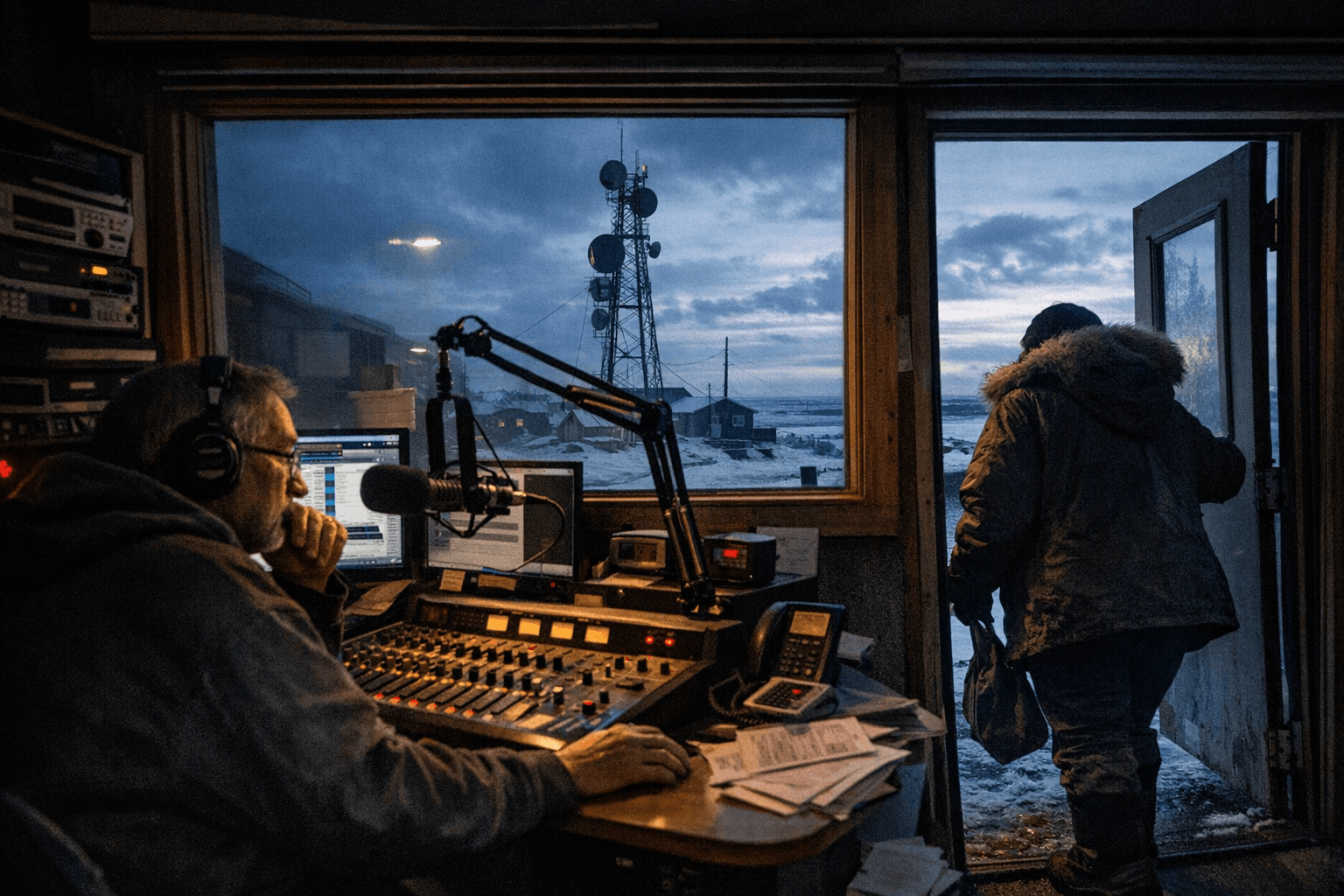
A December 21 analysis of the current state budget process highlighted how public broadcasting line items received only modest treatment in draft budgets, raising alarms about exposure for small rural stations. In the North Slope, that exposure centers on KBRW in Utqiaġvik, which depends on a mix of federal, state and CPB funding along with local support to maintain operations. The near term treatment of these line items matters because budget choices at the state level intersect with a constrained national funding environment, increasing financial pressure on community broadcasters.
KBRW performs functions that go beyond entertainment, anchoring emergency communications and delivering lifeline information across remote communities. Those services include community specific emergency alerts and culturally grounded programming that supports Inupiaq language use and local civic life. Cuts to state support would not fall evenly across the public media ecosystem. Small stations face higher per listener operating costs, limited commercial revenue options and longer logistical chains for equipment and maintenance. That financial asymmetry magnifies the practical effects of modest budgetary treatment for remote communities.
Institutionally, the issue tests priorities within the state budget process and raises questions about equitable distribution of public resources. The Corporation for Public Broadcasting provides one revenue stream, but federal support is not a substitute for sustained state appropriations that underwrite local staffing and infrastructure. How the Legislature and the governor reconcile operating pressures with rural service needs will determine whether stations can sustain emergency readiness and culturally essential programming through the next fiscal year.
There are broader civic and governance implications. Public radio is a primary information source for voter education and local civic participation in dispersed communities. Reduced coverage and service disruptions could hinder access to election information and public notices, with downstream effects on turnout and community engagement. North Slope residents have a clear stake as budget negotiations proceed. As the Legislature moves through its fiscal decisions in the weeks ahead, the funding choices will shape whether local public stations can continue to serve as reliable emergency lifelines and custodians of regional culture.
Know something we missed? Have a correction or additional information?
Submit a Tip