State Delivers Jaws of Life to 14 Agencies, Aiding North Slope
State delivers jaws of life to 14 rural agencies, speeding extrication in extreme cold and bolstering North Slope emergency response.
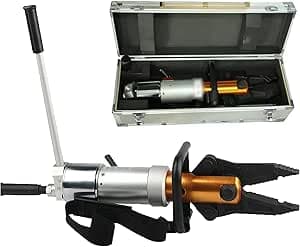
Fourteen rural fire and EMS agencies across Alaska received hydraulic vehicle-extrication tools, commonly known as the Jaws of Life, to speed removal of crash victims in extreme cold and improve chances of survival and rapid medical care.
The equipment was delivered Jan. 19, 2026, through the Alaska Department of Transportation & Public Facilities (DOT&PF) Partners in Safety initiative. The tools are intended for use on remote roads and in severe cold, where long response distances and freezing temperatures can make roadway extrication especially dangerous and time sensitive. The report accompanying the distribution cites a concrete example in which a delivered tool was used to free vehicle occupants in near -25°F conditions, enabling quick evacuation and medical evaluation.
Rural communities, including many in the North Slope Borough, rely heavily on volunteer fire and EMS crews. Those crews often operate with limited equipment and face lengthy travel to hospitals or medevac staging areas. Having hydraulic cutters and spreaders on scene can reduce the time victims remain trapped, shorten on-scene time before medevac, and improve coordination with emergency medical personnel once patients are stabilized.
DOT&PF framed the distribution as part of broader efforts to equip rural responders for life-saving work on remote roads. The Partners in Safety initiative pairs state resources with local agencies to address equipment gaps that are magnified by Alaska weather and geography. The delivered tools are ruggedized for cold-weather operation and meant to function in temperatures that routinely dip well below zero in North Slope villages.
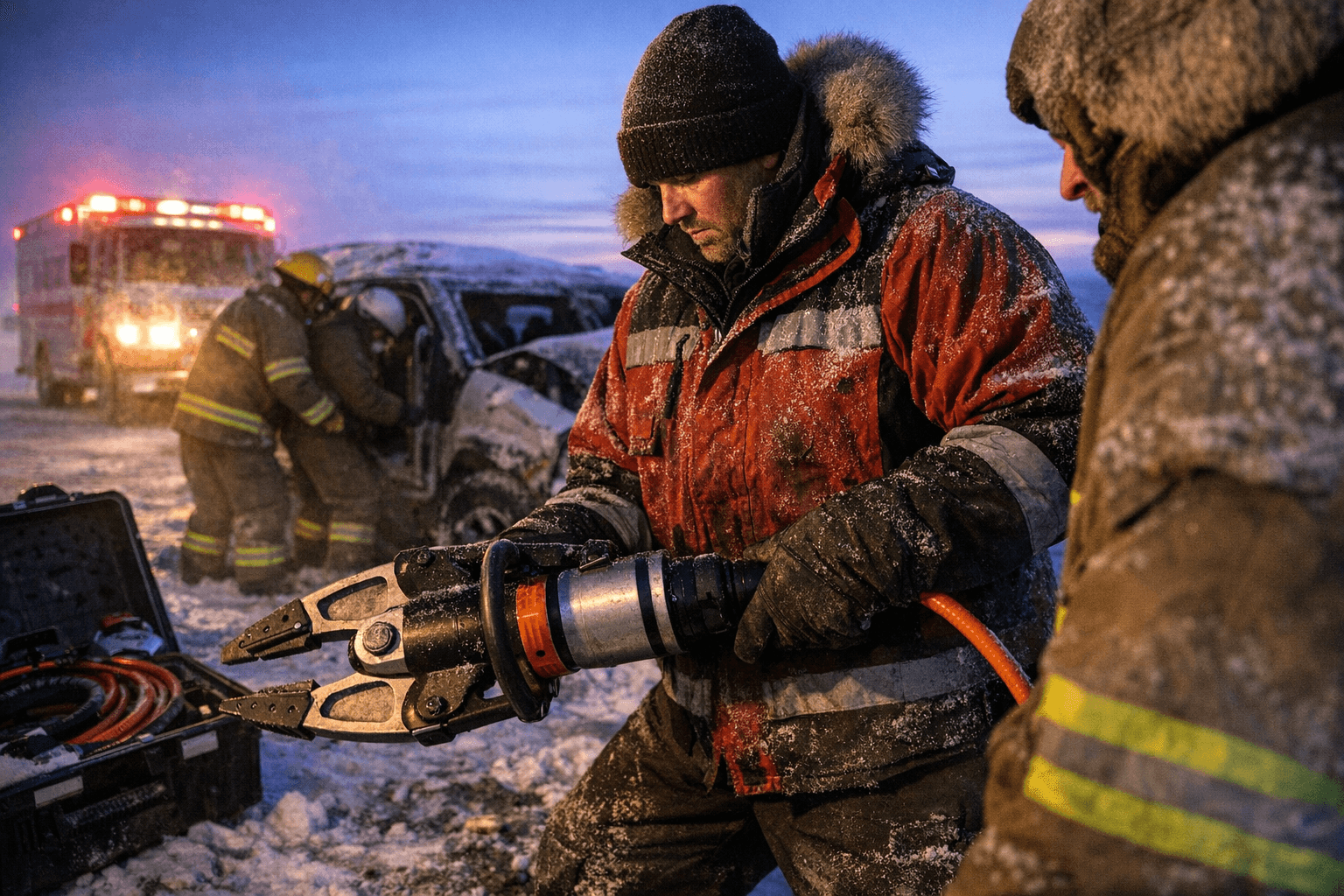
For North Slope residents, the practical effect is concrete: when a rollover or collision happens on a gravel or ice road, local volunteers now have more capability to free trapped occupants and prepare them for medevac. That matters for communities where flying to regional hospitals can be delayed by weather or daylight, and where an extra 10 to 20 minutes on scene can change outcomes.
The distribution also draws attention to ongoing needs beyond hardware: maintenance, cold-weather training, and coordination with borough health services and air ambulance providers will determine how effectively the tools translate into better patient outcomes. Still, the state delivery represents a direct investment in frontline rural safety.
As the season advances, North Slope villages with volunteer crews can expect strengthened extrication capability when the tundra is slick and the miles to the clinic are long, potentially improving survival and easing the burden on medevac crews.
Know something we missed? Have a correction or additional information?
Submit a Tip