State Fines Hilcorp $695,900 Over Polaris Gas Injections
Alaska regulators assessed a $695,900 penalty against Hilcorp after finding the company injected enriched gas without authorization into the Polaris Oil Pool at two wells. The decision signals heightened oversight on the North Slope, and could shape how enhanced recovery tests and operations proceed near Prudhoe Bay.
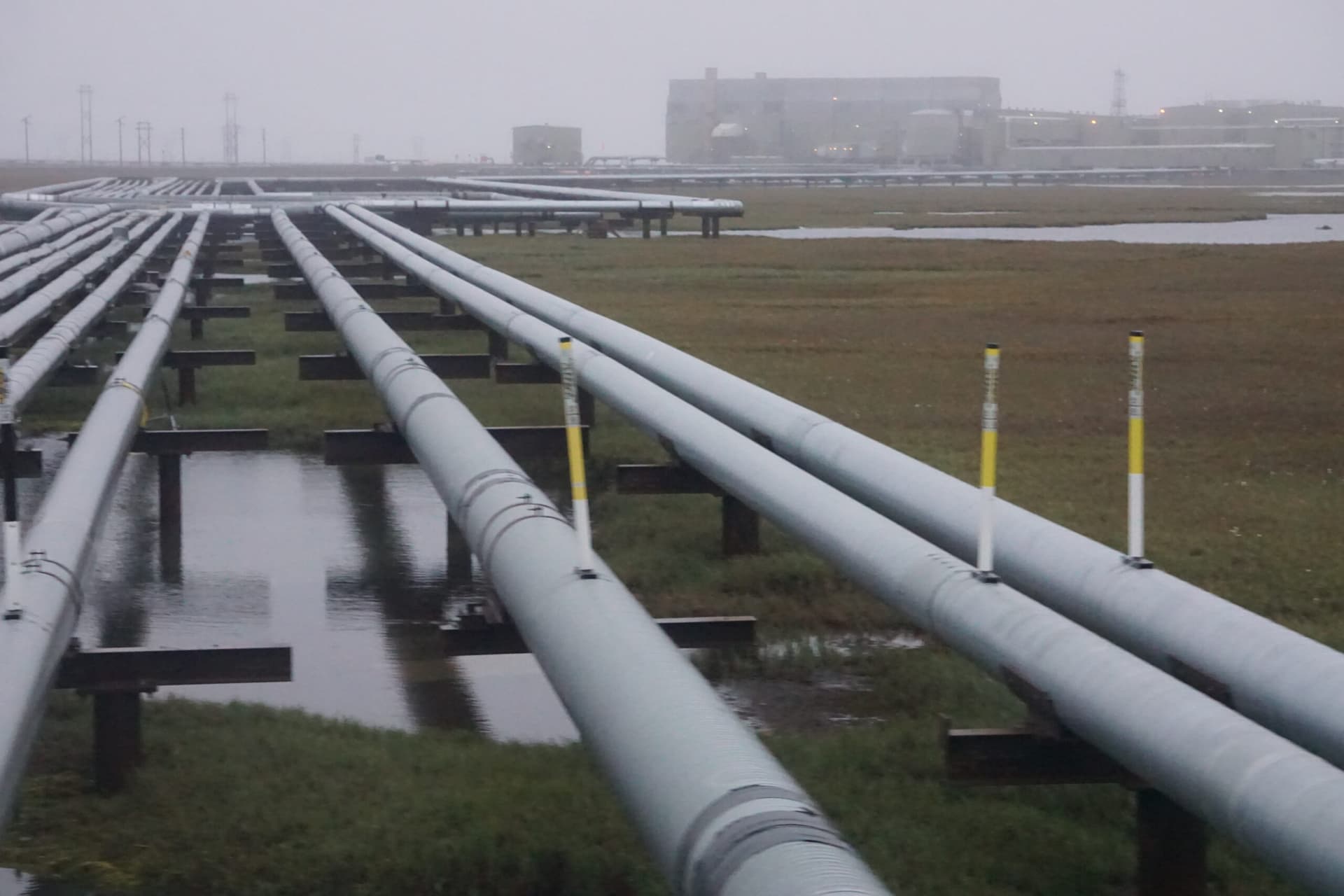
The Alaska Oil and Gas Conservation Commission issued a decision and order on November 24 assigning a $695,900 fine to Hilcorp for unauthorized injections of enriched gas into the reservoir at the Polaris Oil Pool, a satellite of the Prudhoe Bay unit. The commission determined the injections continued as long as 759 days at one well and 480 days at another, and said the duration and pattern of violations warranted the penalty. Hilcorp retains the right to appeal the order.
The commission’s action follows the company self reported the enrichment practice. Company statements noted regulators were informed and that the enrichment caused no safety or environmental harm. The AOGCC outlined its rationale by pointing to the lack of authorization for the reservoir treatments and the sustained length of the activity without commission approval.
One day after the order, on November 25, the AOGCC separately approved a proposal from Hilcorp to run a 12 month pilot test of polymer flooding at a Polaris well. Polymer flooding involves injecting polymers that dissolve in water to improve how injected water sweeps oil toward producing wells. Hilcorp has used this technique previously at Milne Point, where company data indicate it contributed to higher production. The commission’s approval allows that test to proceed even as the penalty for the unauthorized injections stands.

For residents and stakeholders on the North Slope the episode has immediate and practical implications. Regulators are signaling that procedures for reservoir management must be followed, which could increase oversight and reporting requirements for operators in the region. The fine may prompt companies to review internal compliance practices, which can affect timetables for testing and development that support local jobs and service contracts. At the same time the commission’s approval of a controlled polymer pilot reflects an appetite for managed, authorized innovation to sustain production from mature fields.
Local leaders and workers who rely on stable operations will be watching whether an appeal alters the order, and how subsequent regulatory reviews shape future enhanced recovery projects in North Slope oil fields.
Know something we missed? Have a correction or additional information?
Submit a Tip