Travel Alaska guide spotlights Utqiaġvik’s midnight sun and Arctic Ocean
Utqiaġvik rewards visitors who stay long enough to see the coastline, history, and Iñupiat institutions that anchor the borough. The best stops send money to local museums and community-led cultural spaces.

Utqiaġvik at the top of the map, and at the center of North Slope life
Utqiaġvik is the kind of place where geography is not a backdrop but the story itself. Sitting on the Arctic Ocean, it is the northernmost community in the United States and the largest Iñupiaq settlement in Alaska, while also serving as the economic, transportation and administrative center of North Slope Borough. That combination gives the city a practical weight that goes far beyond its remote location: this is the borough seat, the place where residents, workers, and visitors feel how governance, culture, and coastal life meet.
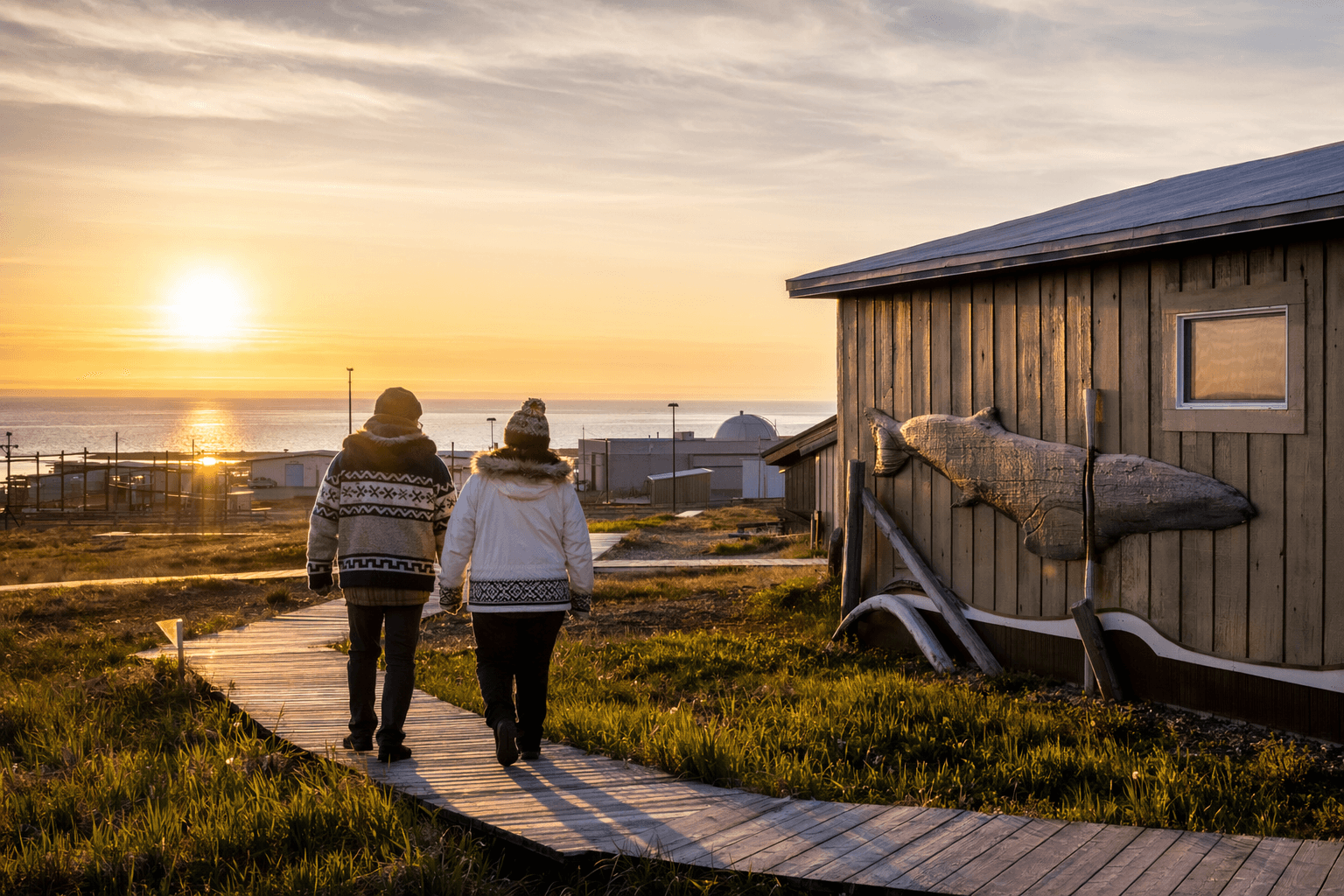
The numbers help explain why the city matters so much. The 2020 Census put Utqiaġvik’s population at 4,927, and the city covers 18.8 square miles. North Slope Borough says most of its nearly 10,000 permanent residents live in eight communities, but Utqiaġvik remains the hub, the place where major institutions and visitor-facing cultural sites are concentrated. It was incorporated as a first-class city in 1959, and the borough itself was created by election in 1972 and officially incorporated on July 2, 1972.
Plan around the light, because summer changes everything
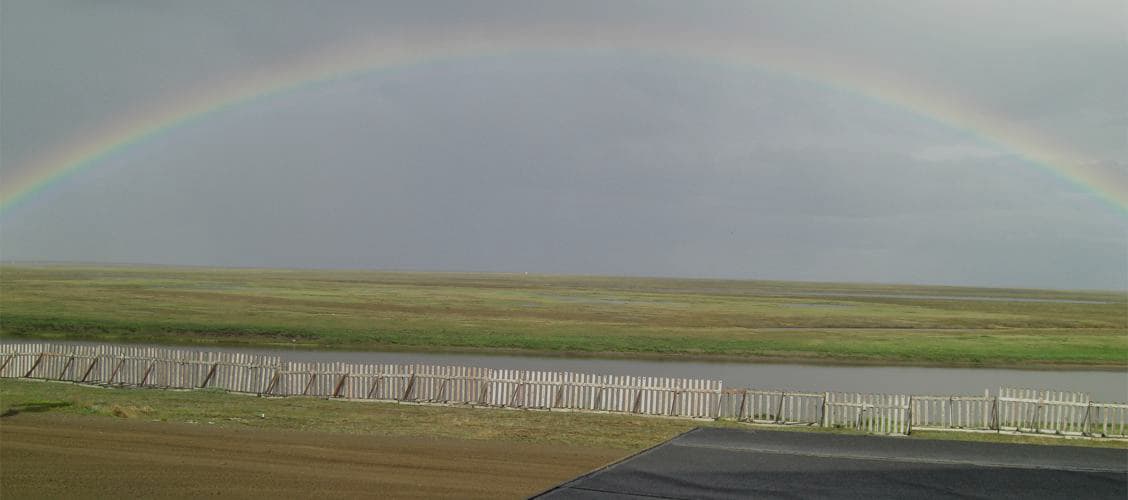
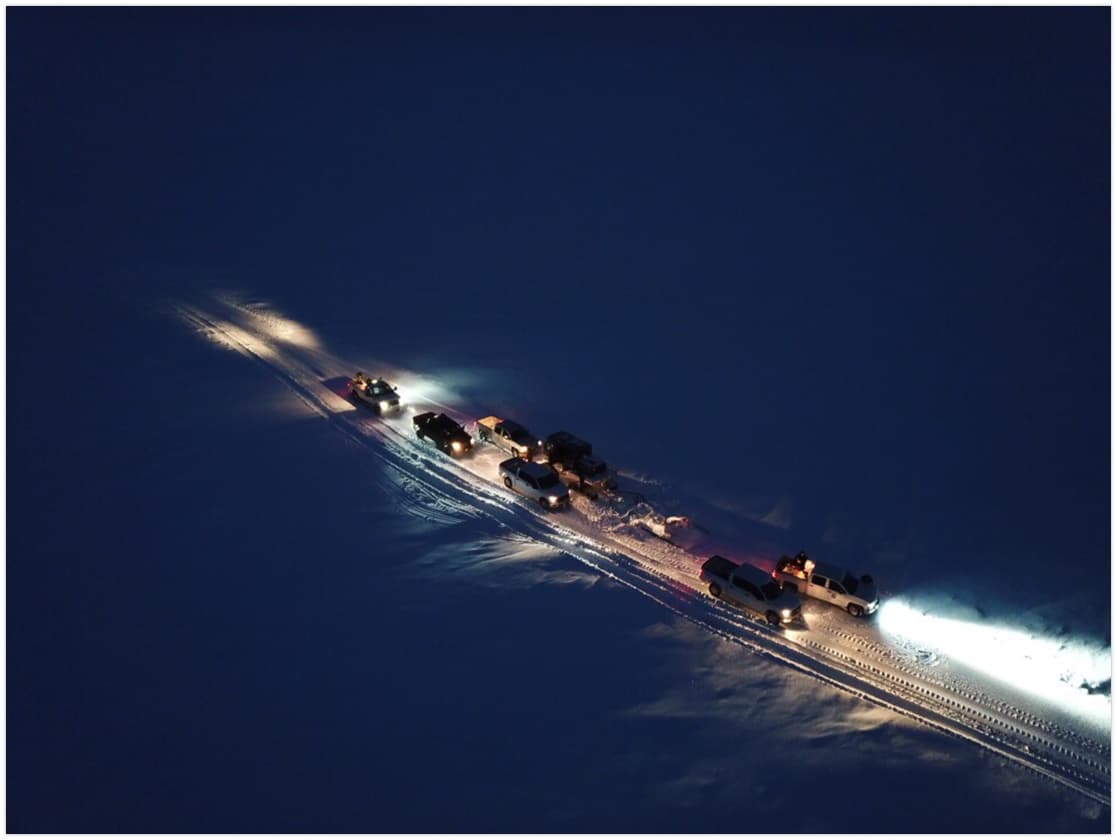
A trip here works differently than a trip anywhere else in Alaska because the sun does not fully set for a long stretch of the warm season. Travel Alaska says that from about May 10 through August 2, Utqiaġvik stays in continuous daylight, and that means black-out curtains are not a luxury but a necessity. For incoming workers as well as visitors, that is a real on-the-ground detail, not a travel tip. Sleep schedules, cabin setup, and even the feel of a work shift can change when night never fully arrives.
That nonstop light also shapes how people experience the town. Summer is when the coastline feels most inviting, but the Arctic setting is still unmistakable. Travel Alaska’s Arctic Coast guidance makes the broader point plainly: this is the northernmost landscape in the United States, and Arctic travel means planning around extreme daylight and seasonal conditions. In practice, that means treating the trip as a place-based visit, not a bucket-list sprint.
Start where the ocean meets the shore
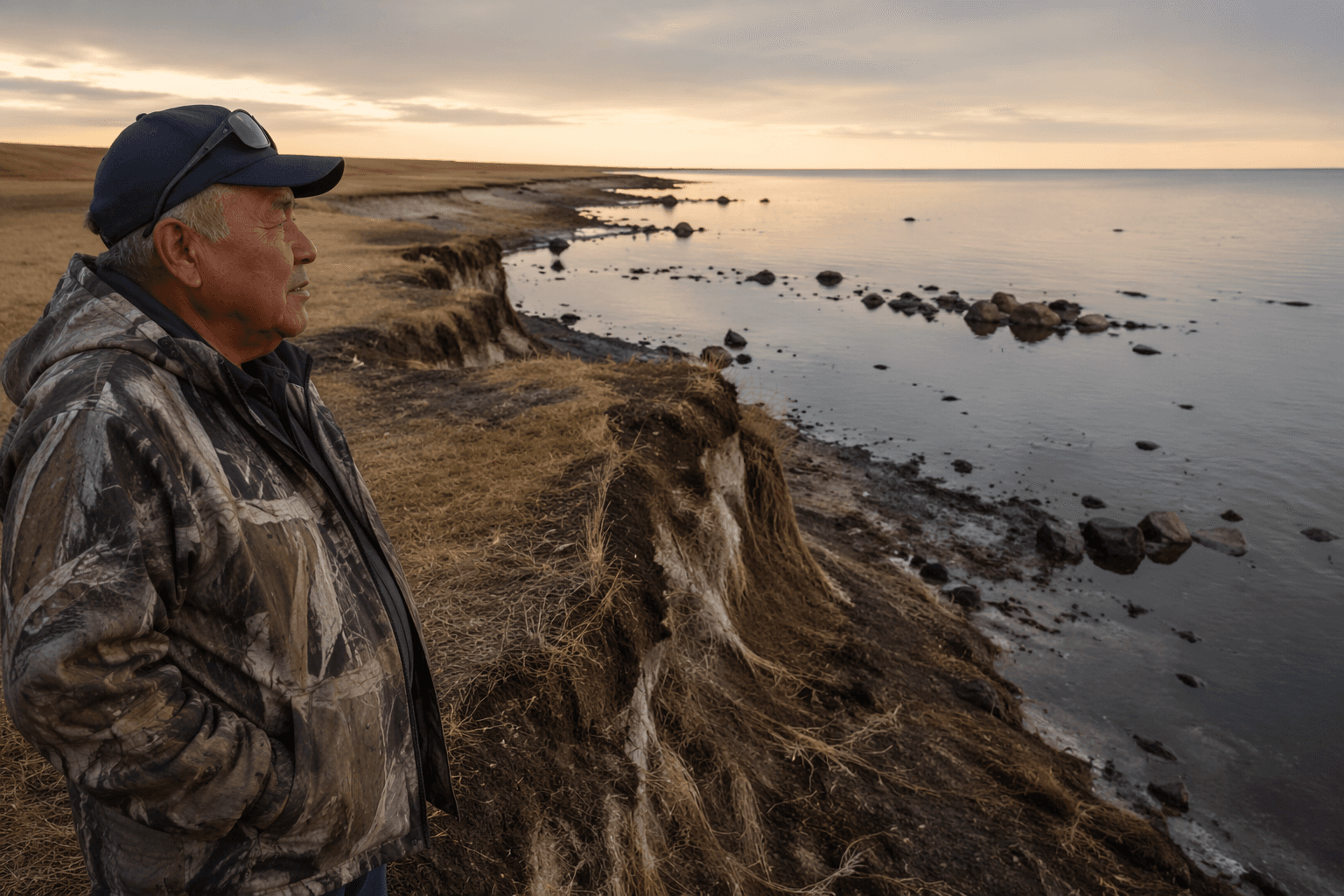
One of the most direct ways to understand Utqiaġvik is to go to the Arctic Ocean itself. Travel Alaska points visitors to the beach, where you can walk the shoreline and take in the scale of the water and sky. Even in summer, the ocean stays very cold, with water that can remain in the 30s Fahrenheit, so this is more about contact with place than about comfort.
The Whale Bone Arch is the most recognizable shoreline landmark, and it works because it carries local history in plain view. Formed from bowhead whale jawbones, the arch is both an Arctic Ocean viewpoint and a reminder of the whaling traditions that shaped the community. The setting matters here: the arch is not a decorative photo stop dropped into the landscape, it reflects a living relationship to the sea, the harvest, and the cultural memory of the coast.
For visitors who want their spending to stay connected to local life, this is also where the trip can stay rooted in community rather than spectacle. The shoreline itself is free to experience, but the real value comes from understanding what it represents: a coast where subsistence, history, and daily life still overlap.
Birnirk shows how deep the story runs
A few miles from town, the Birnirk National Historic Landmark reaches far beyond the modern street grid. The National Park Service identifies Birnirk as the type site for the Birnirk archaeological tradition and says it is the earliest manifestation of Iñupiat culture in North America. The tradition dates from about 500 CE to 900 CE, though local guide material also describes the site as reaching back 1,000 to 1,500 years. Either way, the message is the same: the history here is not recent, and it is not abstract.
Birnirk matters because it connects Utqiaġvik to a much older Arctic world. The site’s mounds and artifacts link modern residents with prehistoric communities across Alaska and the wider circumpolar region, and a significant find there was the remains of a 1,000-year-old umiak with decorative ivory inlays and baleen lashing. That kind of detail turns archaeology into lived inheritance. It shows that the technologies, materials, and sea-oriented life of the North Slope have deep roots in the same coastline visitors see today.
For people arriving in town, especially workers who may only know Utqiaġvik as a project base, Birnirk is one of the clearest reminders that the place was not built around outside industry. It was built on an older Iñupiat foundation that still shapes the community’s sense of itself.
Cape Smythe and the town’s working waterfront history
Utqiaġvik’s built history is just as revealing as its archaeological record. In Browerville, the Cape Smythe Whaling and Trading Station was built in 1893 and is described as the oldest frame building in the Arctic. The National Register nomination identifies it as the original Rescue Station that later became the Cape Smythe Whaling and Trading Company building, which gives the site a layered history of rescue, trade, and commercial change.
That matters because it shows how the town evolved from a whaling and trading landscape into the borough seat it is today. Cape Smythe is not only a historic structure, it is a physical marker of the transition from early coastal enterprise to the modern administrative center. For local readers, it is one more reminder that development in Utqiaġvik has always been tied to the ocean, the labor of the waterfront, and the institutions that grew from those activities.
The Iñupiat Heritage Center is where local dollars can stay local
If there is one stop in town that most directly turns a visit into support for the community, it is the Iñupiat Heritage Center. Dedicated in February 1999, the center is owned and managed by North Slope Borough and includes exhibits, artifact collections, a library, a gift shop, and a traditional room. The building is more than a museum; it is a borough-run cultural institution that keeps interpretation, preservation, and visitor activity close to home.
The traditional room and the center’s Elders-in-Residence and Artists-in-Residence programs give the space a living function that a standard display hall cannot match. Visitors get a place to learn from Iñupiat voices, and local artists and knowledge keepers get a venue tied directly to the borough. That makes it one of the most meaningful stops in Utqiaġvik, especially for anyone who wants their money to circulate through a local institution rather than vanish into a generic tourist stop.
Taken together, these places make Utqiaġvik much more than a remote point at the top of the map. The midnight sun, the cold edge of the Arctic Ocean, Birnirk’s ancient history, Cape Smythe’s whaling-era footprint, and the borough-owned Iñupiat Heritage Center all tell the same story: this is a place where local identity is not an add-on to the landscape, it is the landscape.
This article was produced by Prism’s automated news system from verified source data, official records, and press releases, then run through automated quality and moderation checks before publishing. The system is built and supervised by the people who set the standards it runs under. Read our full AI policy.
Did this article answer your question?