Wainwright's history, self-government and whaling traditions shape community life
Wainwright’s survival depends on local government, an eroding coastal bluff and spring whaling that still feeds the community.

A village built on both memory and maintenance
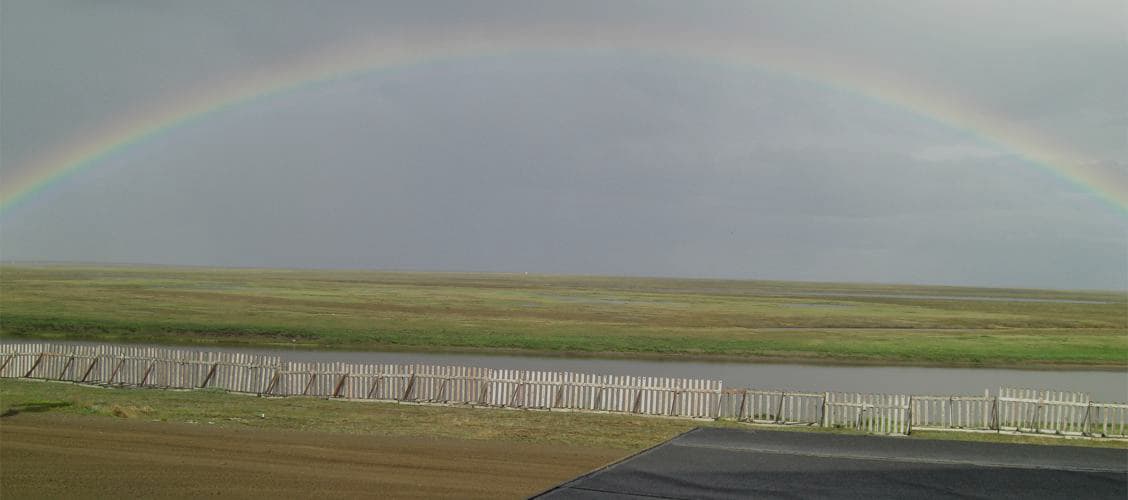
Wainwright sits on a wave-eroded coastal bluff between Wainwright Inlet and the Chukchi Sea, and that geography shapes almost everything about daily life. About 70 to 72 air miles southwest of Utqiaġvik, it is the third-largest community in the North Slope Borough, with 628 residents counted in 2020, up from 556 in 2010.
The place is known by more than one name in Iñupiaq: Ulġuniq, Ulguniq and Kuuk all appear in references to the village. Those names matter because Wainwright is not a generic remote outpost, but a community whose language, landscape and civic structure still reflect the ways local people have lived on the coast for generations.
Its modern story began in 1904, when the Alaska Native Service built a school there. Wainwright later became a second-class city in 1962, marking a shift from a federal service settlement to a place with its own municipal responsibilities. That long arc helps explain why history and self-government remain intertwined in the way the community functions today.
Local government does more than keep the lights on
The City of Wainwright says it retains responsibility for municipal administration, recreation, boat harbors and cemeteries, a list that says a lot about what a small coastal city must do to stay organized. In Wainwright, city government is not an abstraction. It is the layer that keeps everyday public life moving in a place where weather, distance and seasonal work can quickly strain basic services.
The current council includes Mayor Cheryl Panik and Vice Mayor Jimmie Kagak. Regular city council meetings are held the second Monday of each month, a reminder that local decision-making still runs on a set civic calendar even in a remote Arctic community. The city’s departments and contact pages also show a working municipal structure with roles in administration, finance, grants, maintenance, recreation, youth programs and clerical operations.
That structure matters because Wainwright is small enough that services are personal and visible. When a city is responsible for a boat harbor, cemeteries and recreation, every maintenance issue, staffing gap or budget pressure lands close to home. For a community on a bluff exposed to coastal change, municipal work is part of resilience, not just paperwork.
Whaling is food security, culture and logistics at once
Spring in Wainwright is shaped by Nalukataq, the feast that follows a successful whaling season. Villagers perform traditional Iñupiat dances, and the celebration marks more than the end of a hunt. It is one of the clearest expressions of how subsistence, ceremony and community sharing remain connected in the North Slope.
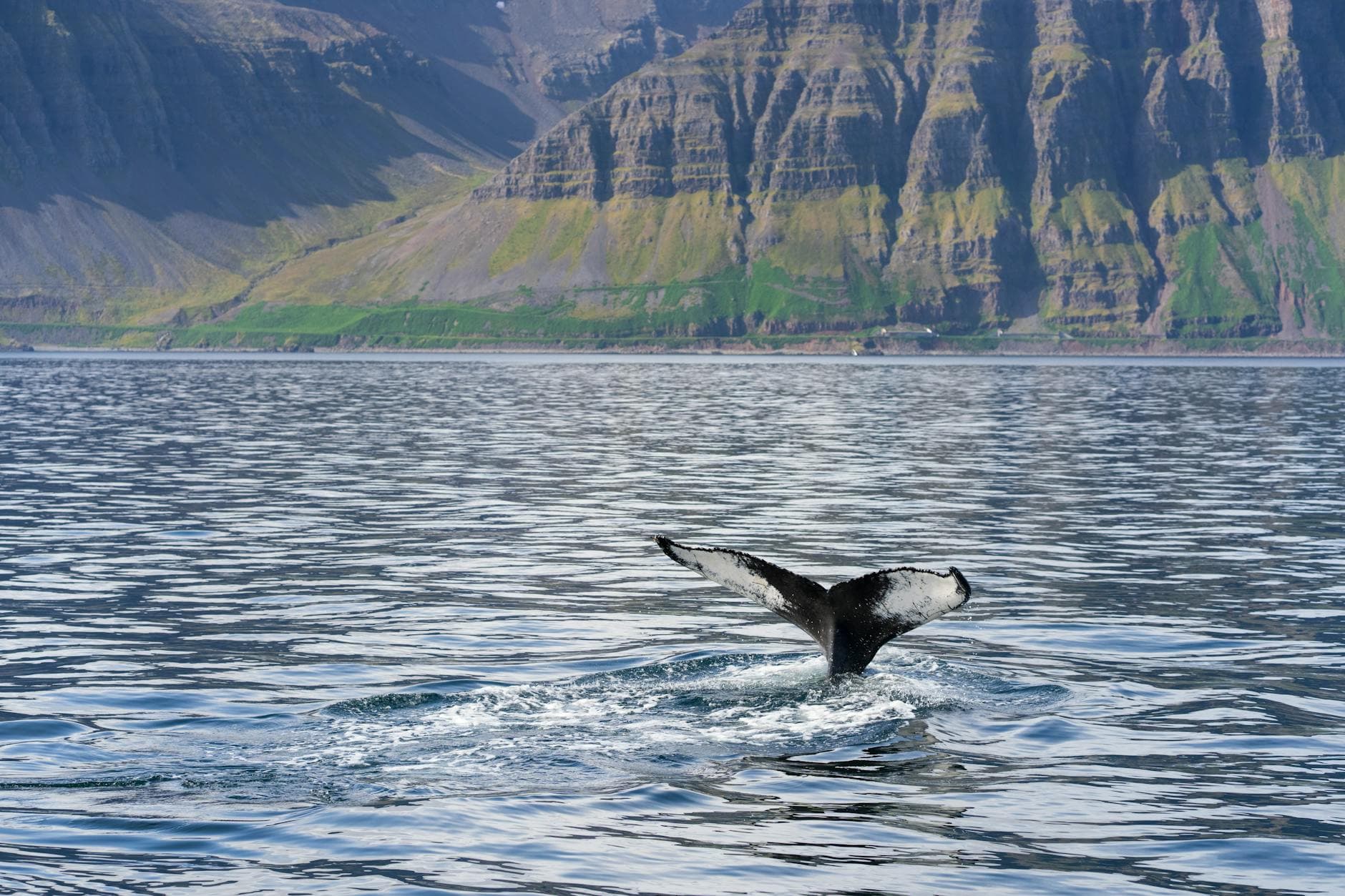
The International Whaling Commission describes subsistence whaling in northern Alaska as central to the food system and culture of Inupiat and Siberian Yupik communities. That is not a symbolic statement. The Alaska Eskimo Whaling Commission, formally incorporated in 1981, manages a regulated contemporary system, and a 2025 quota set the number of bowhead whales struck at 93.
Each whale can provide thousands of pounds of meat and maktak shared across the village. In a place like Wainwright, that means whaling is not only about tradition or identity. It is a major part of local food access, and it links directly to household well-being, communal distribution and the ability of the village to support itself during a short and demanding season.
Why spring whaling puts pressure on a remote community
Wainwright is a useful case study in how a North Slope community stays functional when seasonal work, public services and subsistence harvests overlap. The same city that has to manage administration and recreation also has to care for the harbor and other civic spaces while whaling crews, families and community leaders move through one of the most important times of year.
The pressure is amplified by geography. A village on a narrow peninsula between the inlet and the sea has to think about access, erosion and storage at the same time it is thinking about hunting success and community celebration. Even without a dramatic headline, the stakes are real: if the harbor, maintenance system or local administration falters, the impact reaches both everyday services and the shared food system that Nalukataq celebrates.
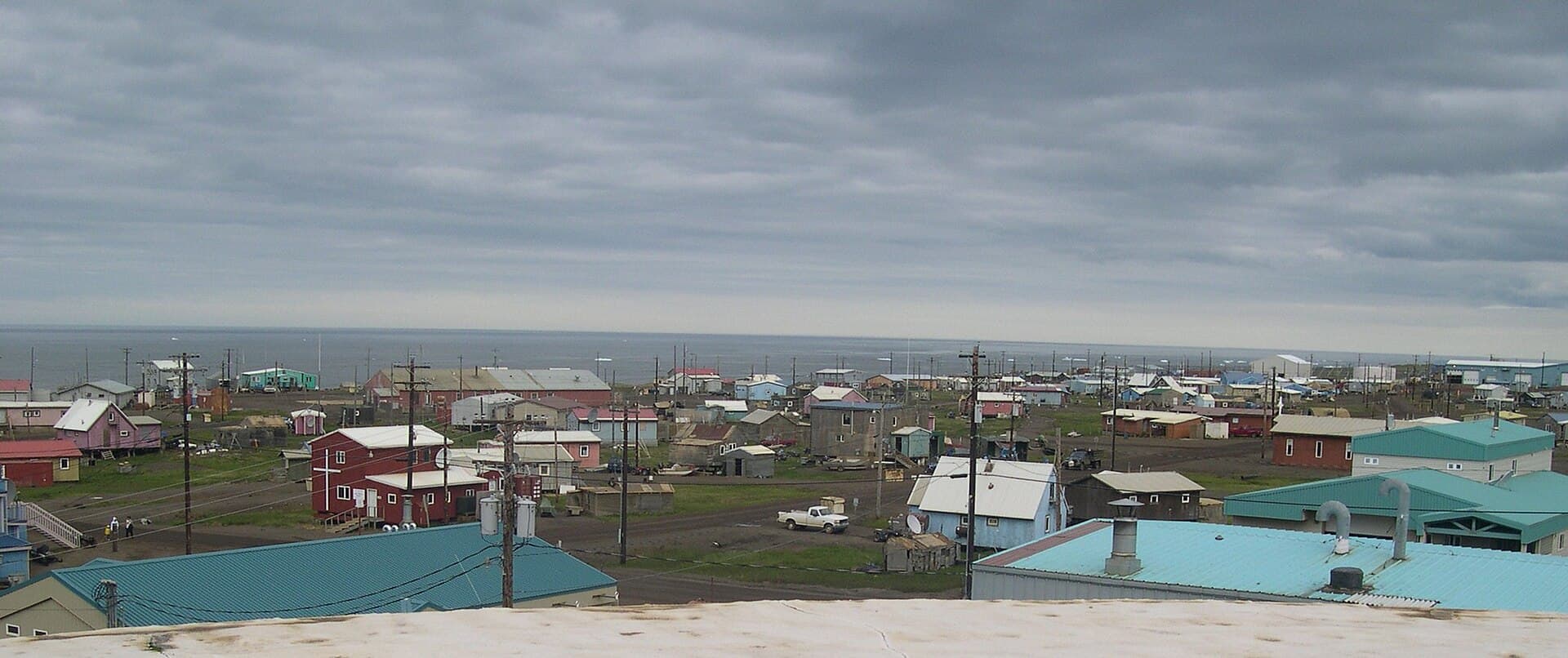
That is why Wainwright’s history matters now. The community’s 1904 beginning as a school settlement, its 1962 incorporation, and its current city government all point to a place that has had to build its own capacity in a demanding environment. The city’s staffing for maintenance, youth programming, finance and clerical work may sound routine, but in Wainwright those functions help sustain the conditions that make whaling season and civic life possible.
A North Slope community defined by shared responsibility
Wainwright’s population size, its remote coastal setting and its cultural calendar all point to a simple truth: survival here is collective work. The city council, local departments and whaling institutions each carry part of that load, while Nalukataq turns the harvest into a public expression of gratitude and shared abundance.
For the North Slope Borough, Wainwright shows how self-government and subsistence tradition reinforce each other. The village is not just a place with a past; it is a functioning coastal community where municipal services, bowhead whaling and Iñupiat identity remain tied to the same question: how do you keep a remote Arctic town working, feeding itself and staying intact on ground that never stops changing?
This article was produced by Prism’s automated news system from verified source data, official records, and press releases, then run through automated quality and moderation checks before publishing. The system is built and supervised by the people who set the standards it runs under. Read our full AI policy.
Did this article answer your question?