Warming Alaska Waters Carry Algal Toxins Through Arctic Food Web
Paralytic shellfish toxins detected in bowhead whales and walruses across the Bering, Chukchi and Beaufort seas, yet no real-time field test exists for North Slope subsistence hunters.
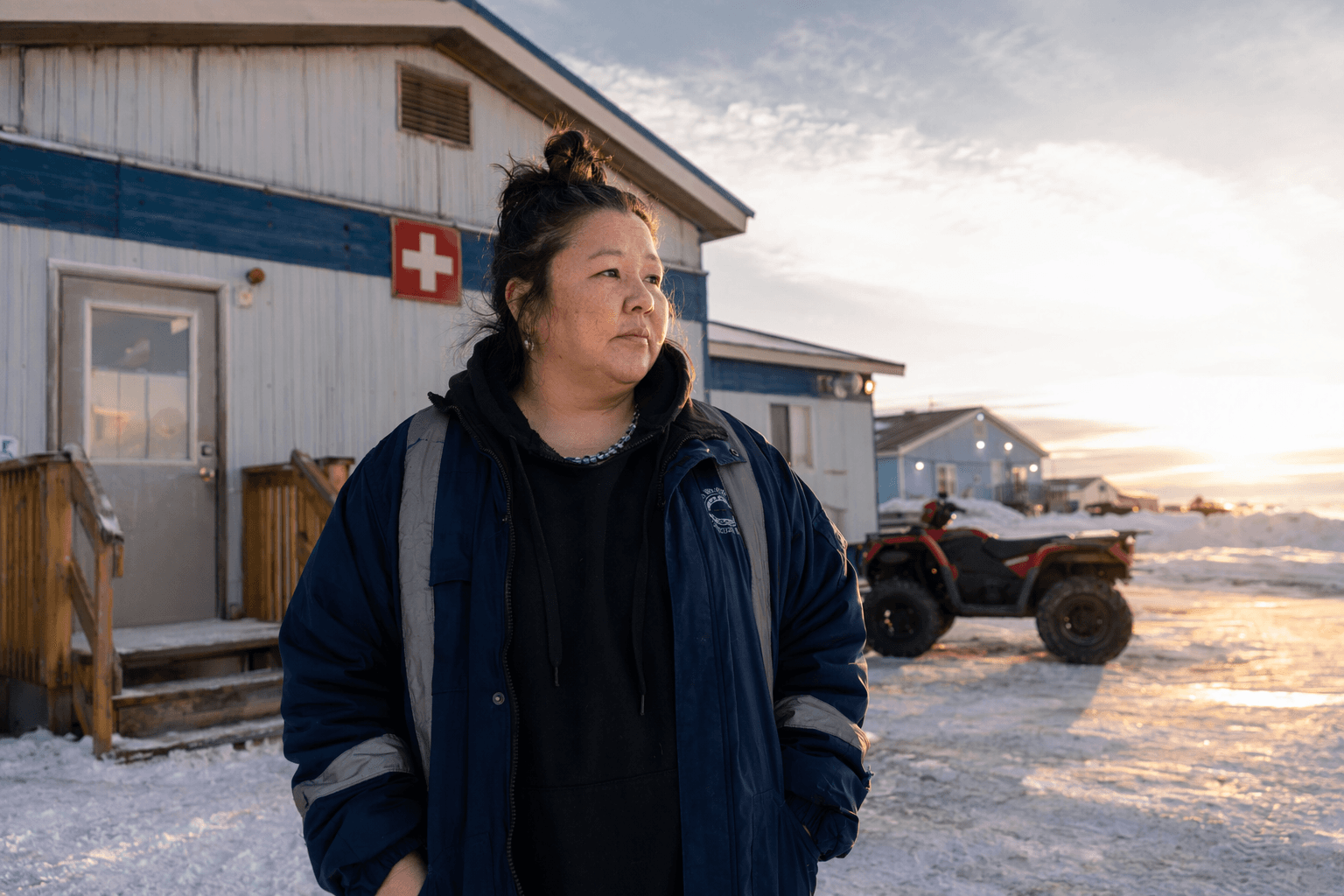
The bowhead whales and walruses that North Slope families depend on for food now carry detectable levels of the same algal toxin that has long closed shellfish beds in southern Alaska, and Raphaela Stimmelmayr, the North Slope Borough's wildlife veterinarian in Utqiagvik, says the communities that harvest them still lack the tools to know how much toxin is in any given animal before eating it.
That gap sits at the center of two studies drawing urgent attention across subsistence communities from the Bering Strait to the Beaufort Sea coast. A Nature paper published July 9 analyzed 205 bowhead whale feces samples collected by hunters during fall harvests over nearly 20 years, as part of a monitoring program led by the North Slope Borough and the Alaska Eskimo Whaling Commission in collaboration with 11 bowhead whaling communities. The results were unambiguous: higher algal toxin concentrations in whale feces were strongly correlated with larger areas of ice-free water and warmer ocean temperatures.
The toxin is saxitoxin, produced by Alexandrium catenella, a warm-water algae species that blooms in conditions Arctic waters increasingly provide. Algae can germinate four to eight times more quickly in the warming Beaufort Sea, according to the study. NOAA Fisheries research biologist Kathi Lefebvre showed charts and graphs of reduced sea ice, warming temperatures and Alexandrium blooms reaching Arctic waters north of the Bering Strait during a presentation at the Alaska Marine Science Symposium in Anchorage in January.
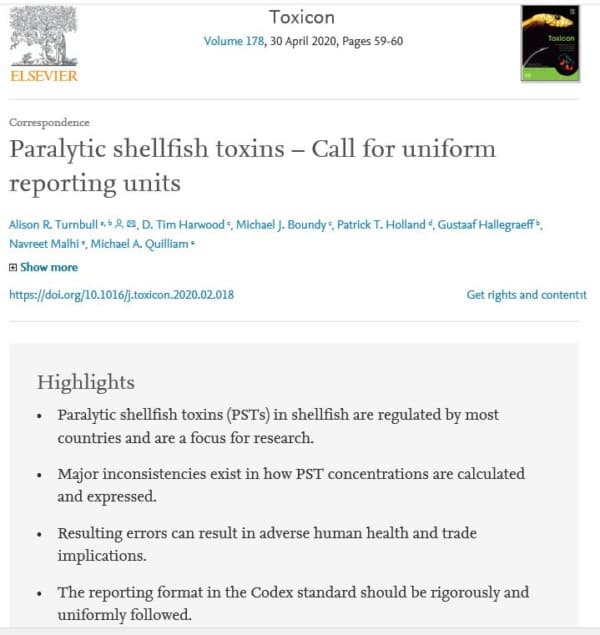
A separate NOAA ECOHAB study, drawing on samples collected in 2019 when northern Alaskan waters experienced unusually warm conditions, found paralytic shellfish toxins present at every level of Arctic food webs tested: phytoplankton, zooplankton, benthic clams, benthic worms, pelagic fish, walruses and bowhead whales harvested for subsistence in the Bering, Chukchi and Beaufort seas. Toxins are not pooling in isolated corners of the food web. They are moving through it entirely.
"This is the scary, 'I-don't-know' moment of this event now happening in consecutive years," said NOAA biologist Mike Williams, who was on scene at St. George to gather samples and document the event firsthand.
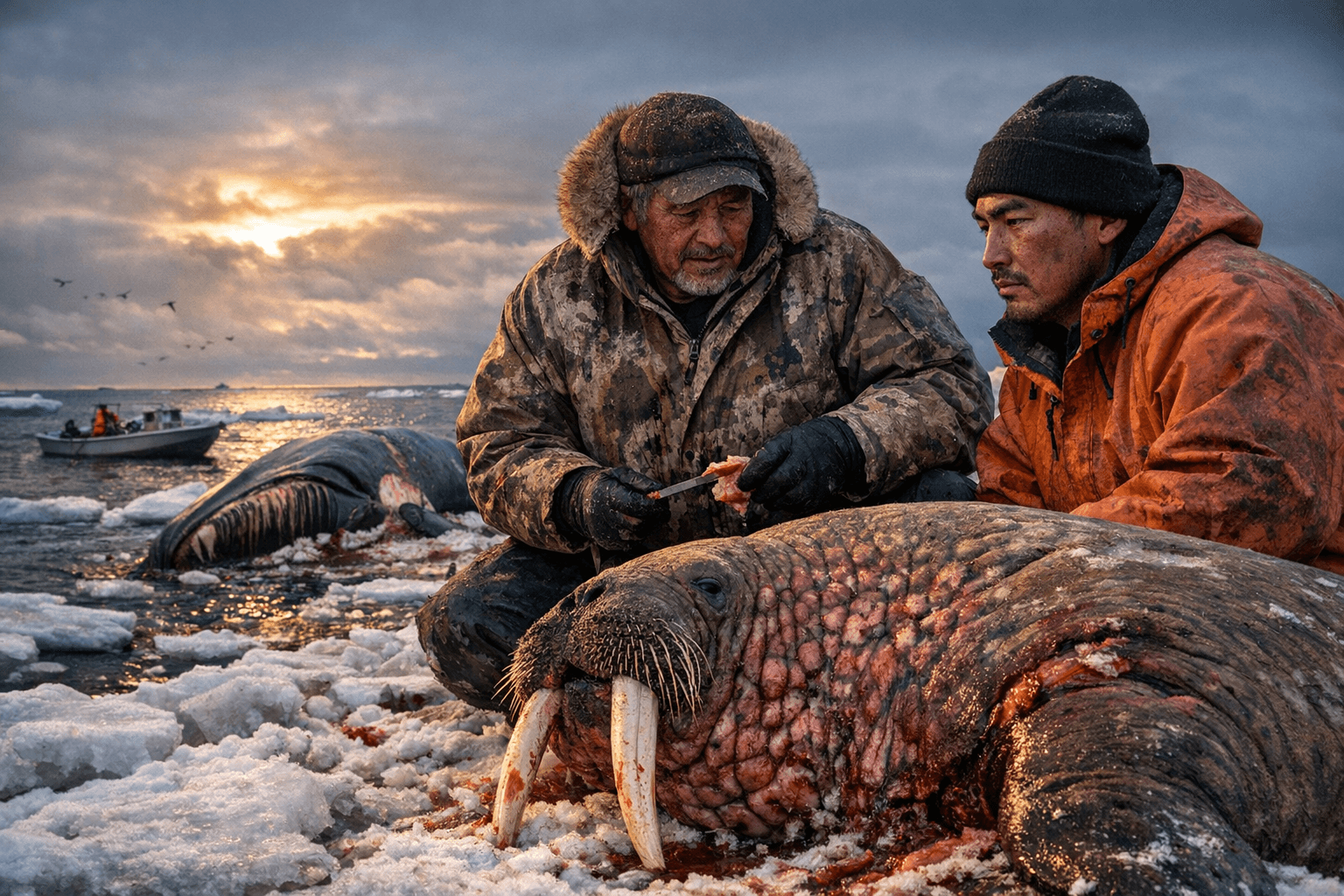
Stimmelmayr identified the critical practical problem: "These communities now need reliable tools such as field tests to test for the presence of algal toxins in traditional foods in real-time, to be sure marine mammals and other marine wildlife are safe to eat." No such point-of-harvest test currently exists for marine mammals.
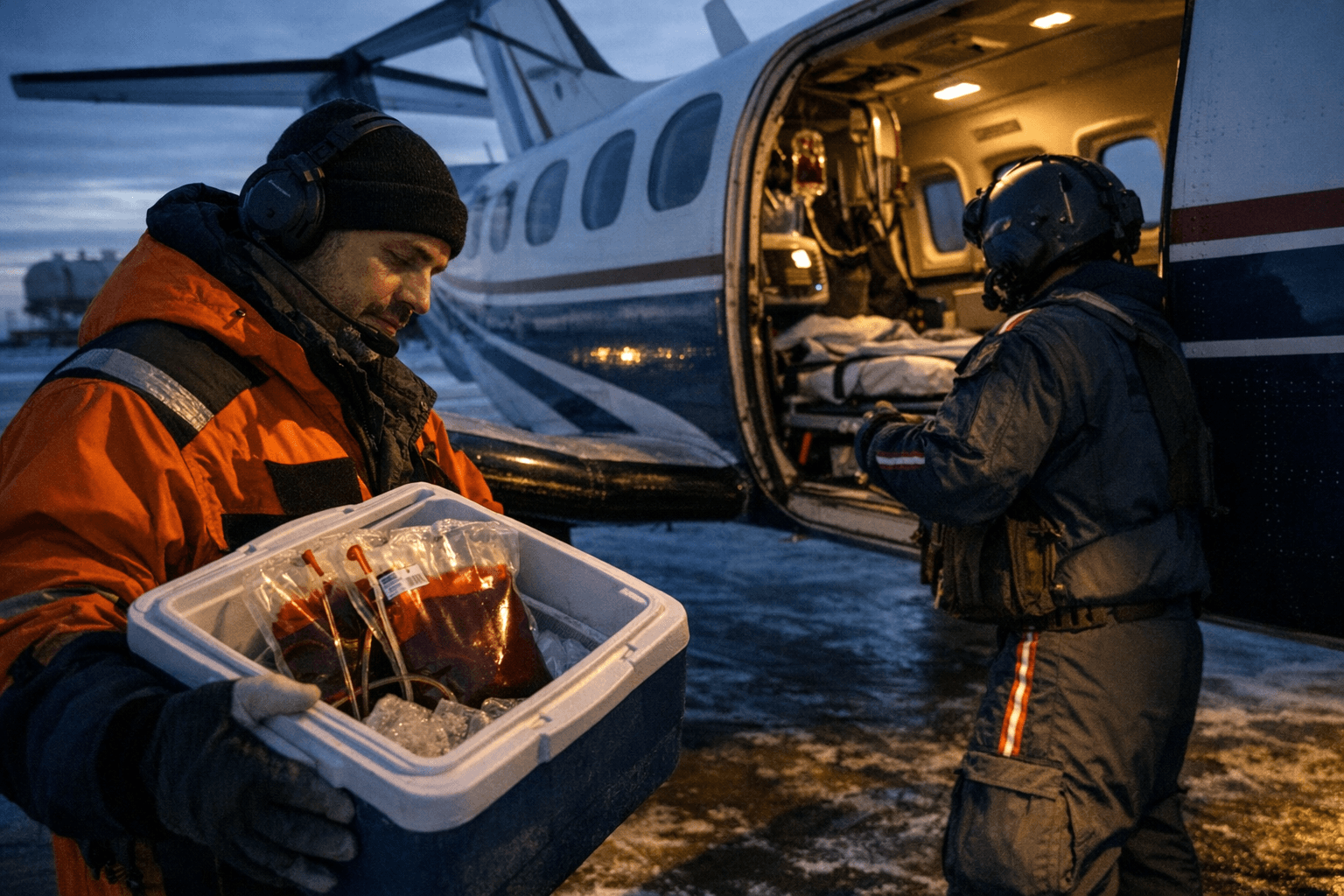
Shellfish testing infrastructure does exist, but far from the Slope. The Southeast Alaska Tribal Ocean Research laboratory, operated by the Sitka Tribe of Alaska, uses a Receptor Binding Assay, which Environmental Lab Manager Matteo Masotti describes as designed to "parallel what would happen if people ate the tested clams, mussels and other items." Lab analyst Nicole Filipek was still receiving horse clam samples for toxin testing in December 2025. That capacity, however, sits thousands of miles from Utqiagvik, Kaktovik, or Nuiqsut.
Traditional guidelines once gave harvesters seasonal anchors: gather clams only in months with the letter R in their names, and pause harvesting when herring finish spawning in late spring. Both rules assumed that toxin risk stayed south and stayed seasonal. The Beaufort Sea data now challenge both assumptions directly.
The 20-year monitoring program that North Slope whaling communities co-managed with the Alaska Eskimo Whaling Commission produced the dataset that made the Nature study possible. What that data shows is that the risk has already arrived in waters Slope residents harvest every fall. Building the real-time testing capacity to match it remains unfinished work.
Know something we missed? Have a correction or additional information?
Submit a Tip