Ash Meadows refuge showcases rare species and desert oasis history
Ash Meadows anchors Nye County with 26 species found nowhere else, Nuwuvi and Newe history, and a land-preservation fight that stopped a 20,000-lot subdivision.
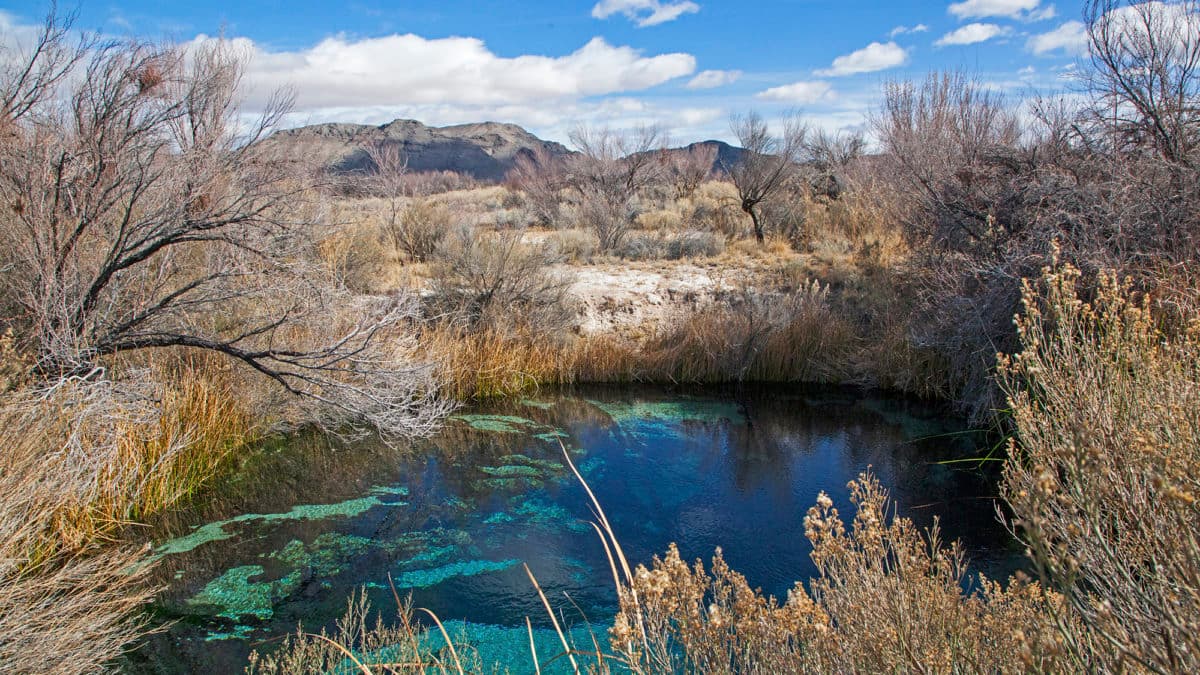
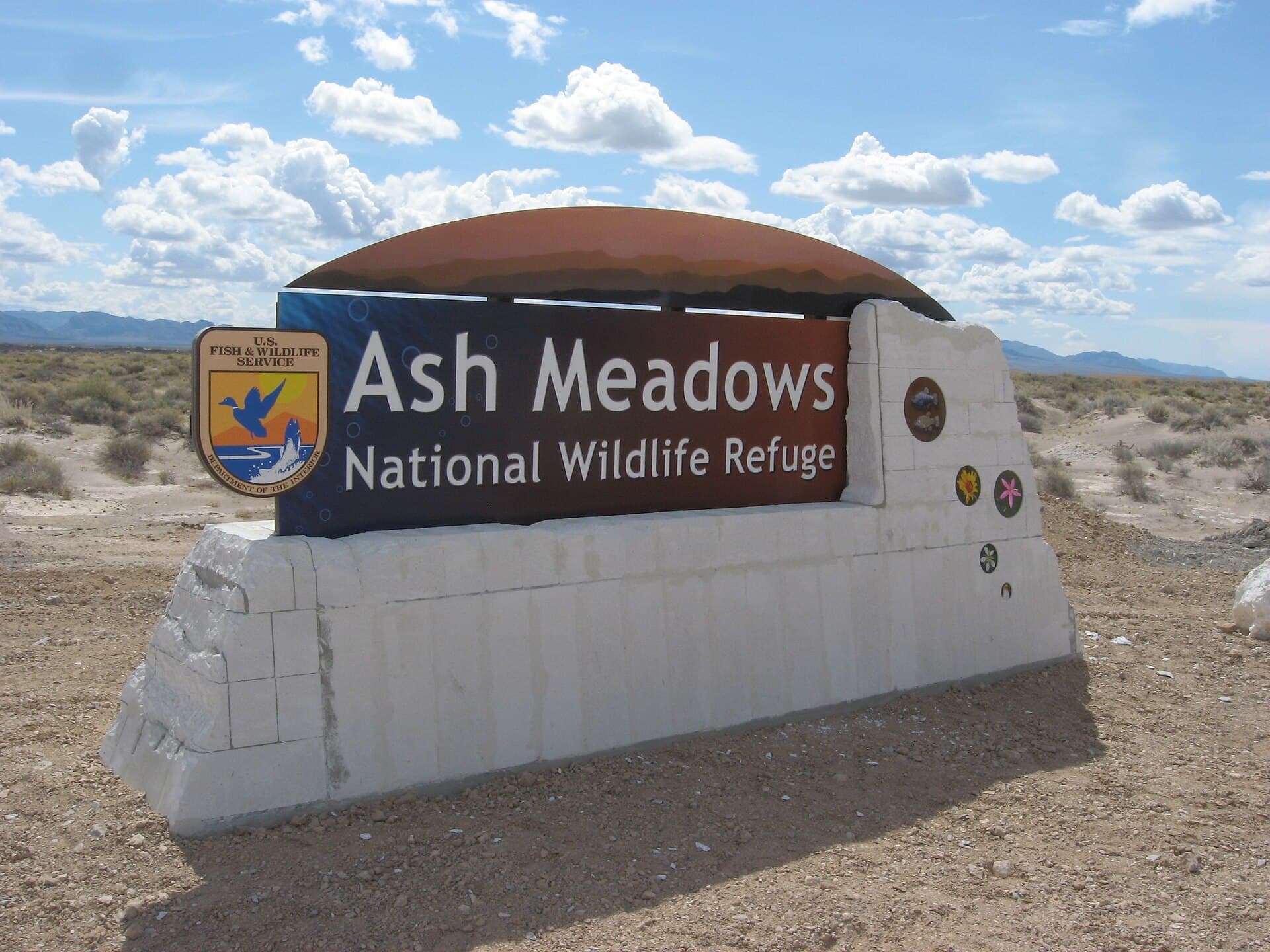
Ash Meadows National Wildlife Refuge is one of Nye County’s most important public assets because it sits at the intersection of conservation, culture, and destination travel. Established on June 18, 1984, and managed by the U.S. Fish & Wildlife Service, the refuge protects more than 23,000 acres of spring-fed wetlands and alkaline desert uplands in Amargosa Valley, near Pahrump and east of Death Valley National Park. Its creation was not accidental: The Nature Conservancy bought the land in 1983 to stop a planned 20,000-lot subdivision, then transferred 12,613 acres to the federal government, turning a development threat into a long-term land-use decision that still shapes the county today.
A desert oasis with global significance
Ash Meadows carries the kind of ecological status that few places in the Mojave can match. The refuge is a recognized wetland of international importance and one of the first U.S. sites designated under the Ramsar Convention, with that designation dated December 18, 1986. Official refuge materials say the site was named after galleries of ash trees described in expedition notes from 1893, a reminder that its unusual character was noticed long before it was protected.
The scale of the biodiversity is what makes Ash Meadows stand out. U.S. Fish & Wildlife Service materials describe it as having the second-greatest concentration of endemic species in North America, and in just under 24,000 acres it holds 26 species found nowhere else on Earth. That kind of concentration matters in Nye County because the refuge is not just a scenic stop; it is a fixed conservation boundary around a rare ecosystem that remains vulnerable to groundwater changes, development pressure, and the long-term demands of visitation.
Why the springs matter
Ash Meadows is built around water in a place defined by dryness. Ramsar describes it as a unique oasis ecosystem of streams, pools, and wet meadows formed around springs that feed a tributary of the Amargosa River. The National Park Service says the refuge is the discharge point of a groundwater system that extends more than 100 miles to the northeast, and about 30 seeps and springs bring ancient groundwater to the surface here.
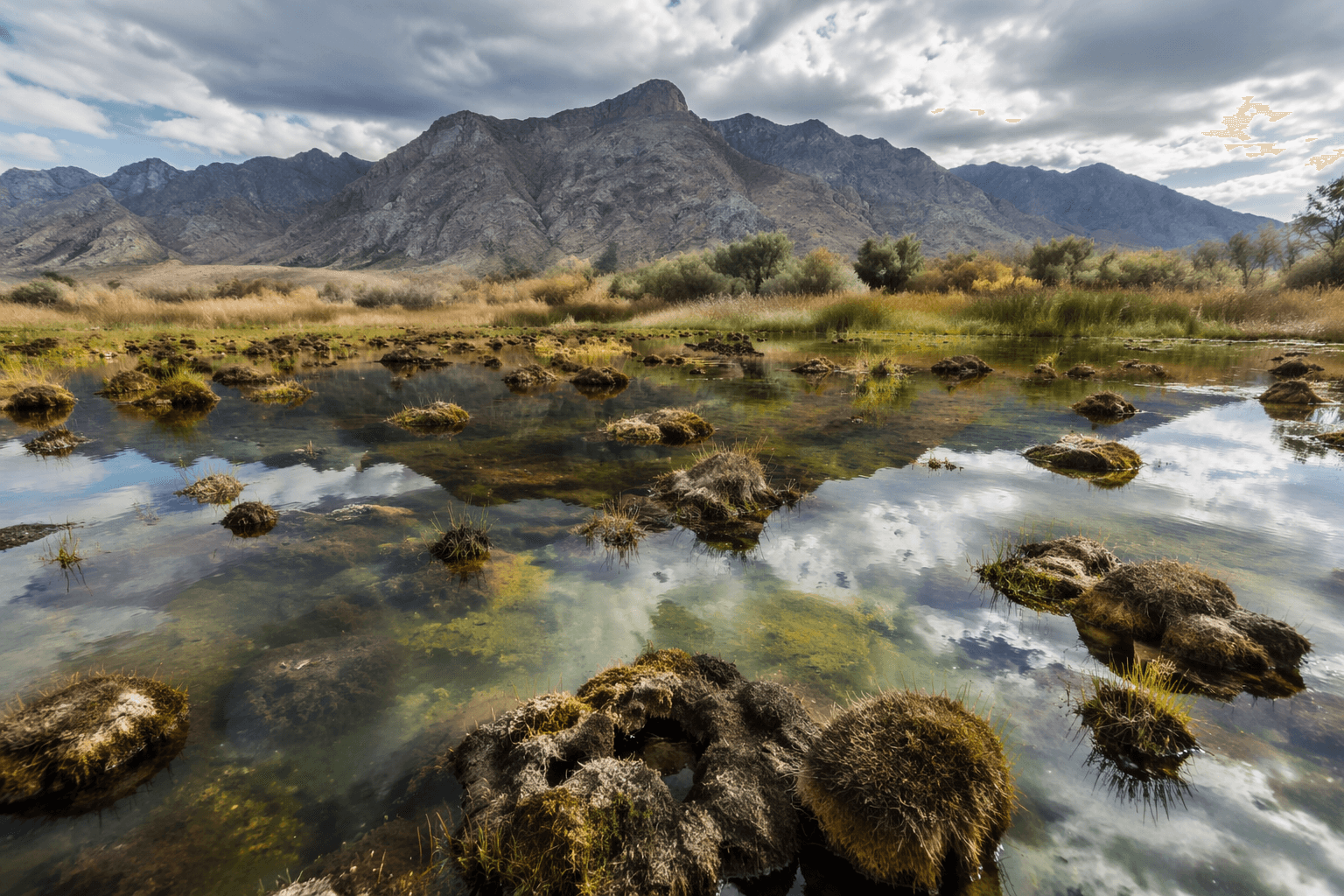
That hydrology supports the species list that gives the refuge its national reputation. Federal materials identify 12 threatened and endangered species at Ash Meadows, including the Ash Meadows Amargosa pupfish, Ash Meadows speckled dace, and Ash Meadows naucorid. Many of the species are visible to visitors if they know where to look, while others live underwater and require a careful eye. Ramsar also notes four endangered endemic fish and an endemic aquatic insect, underscoring how much of the refuge’s value sits below the surface.
The region’s rarest fish story extends to Devils Hole, which lies within the refuge boundaries but is managed by Death Valley National Park. The U.S. Geological Survey says groundwater also discharges there, and Devils Hole is home to the only naturally occurring population of the endangered Devils Hole pupfish, the smallest and rarest pupfish in the world. To support that species and the research surrounding it, an Ash Meadows Fish Conservation Facility was completed in 2013 with a Southern Nevada Public Land Management Act grant to house a captive population of Devils Hole pupfish.
Indigenous history is part of the landscape
Ash Meadows is not only a biological outlier, it is also a cultural landscape. The refuge lies within the ancestral homelands of the Nuwuvi and Newe peoples, including the Nuwu/Nuwuvi and Newe tribes whose history is tied to the springs and travel routes in the area. Fish & Wildlife Service materials say the visitor center presents that history alongside ecological knowledge and management techniques shared by tribal communities, making the refuge a place where stewardship and cultural memory are presented together rather than separately.
That layered history matters for how the county understands the site today. Community members, The Nature Conservancy, tribal representatives, and Fish & Wildlife Service staff have gathered to mark the refuge’s 40th anniversary, a sign that Ash Meadows is more than a remote preserve. It is a place where tribal history, federal management, and local conservation partners meet in a landscape that still influences decisions about water, access, and future land use in southern Nye County.
What visitors can see and do
Ash Meadows is built for a day trip, but the visitor experience is anchored in the refuge’s unusual ecology rather than generic sightseeing. The visitor center in Amargosa Valley includes interactive exhibits, regular film screenings, a bookstore, and a picnic area. It also offers direct access to Crystal Springs Boardwalk, one of the best ways to see the spring-fed habitat without damaging the fragile wetland edges.
The boardwalk and visitor center make the refuge easy to reach from Pahrump and accessible for travelers moving between southern Nevada and Death Valley National Park. That ease of access is part of its civic value to Nye County: it brings visitors into Amargosa Valley, reinforces the county’s identity as a gateway to unusual desert places, and gives local land-use planning a visible example of what is preserved when development is constrained around rare resources.
Why Ash Meadows still matters to Nye County
Ash Meadows is valuable because it combines a strong conservation record with a clear public purpose. The refuge was created after a 20,000-lot subdivision was stopped, and the result is a protected landscape that now supports rare species, tribal history, and tourism tied to one of the most distinctive spring systems in the West. In a county where land, water, and access shape nearly every major decision, Ash Meadows remains a reminder that some places are worth keeping intact because once the springs are altered, the entire system changes with them.
This article was produced by Prism’s automated news system from verified source data, official records, and press releases, then run through automated quality and moderation checks before publishing. The system is built and supervised by the people who set the standards it runs under. Read our full AI policy.
Know something we missed? Have a correction or additional information?
Submit a Tip