Tonopah mining park traces Jim Butler’s silver strike origin
Jim Butler’s 1900 strike still powers Tonopah’s story at the mining park. The site turns the town’s silver origin into a walkable, working piece of Nye County identity.
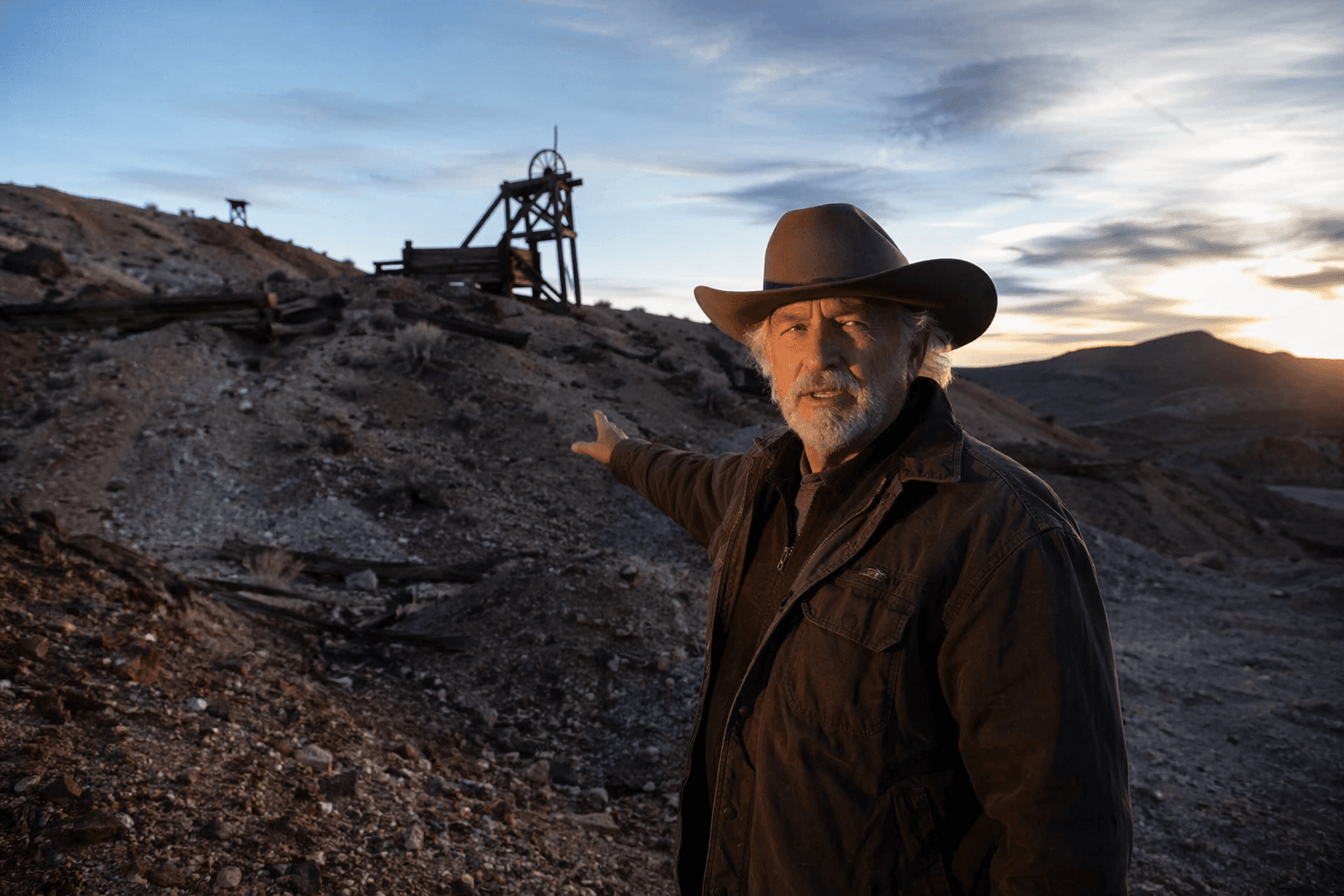
Tonopah Historic Mining Park keeps Jim Butler’s 1900 silver strike visible on the ground, not just in a display case. Spread across more than 100 acres, the site gives Tonopah a concrete link between its mining past and the town’s present-day role as an overnight stop and base camp for travelers crossing central Nevada.
The park matters because Tonopah still sells itself through the same story that made it famous. On the road between Las Vegas and Reno, the town’s identity is tied to the silver camp that built it, and the mining park is the place where that history can be seen, walked, and measured in actual shafts, claims, and equipment.
The discovery that changed Nevada
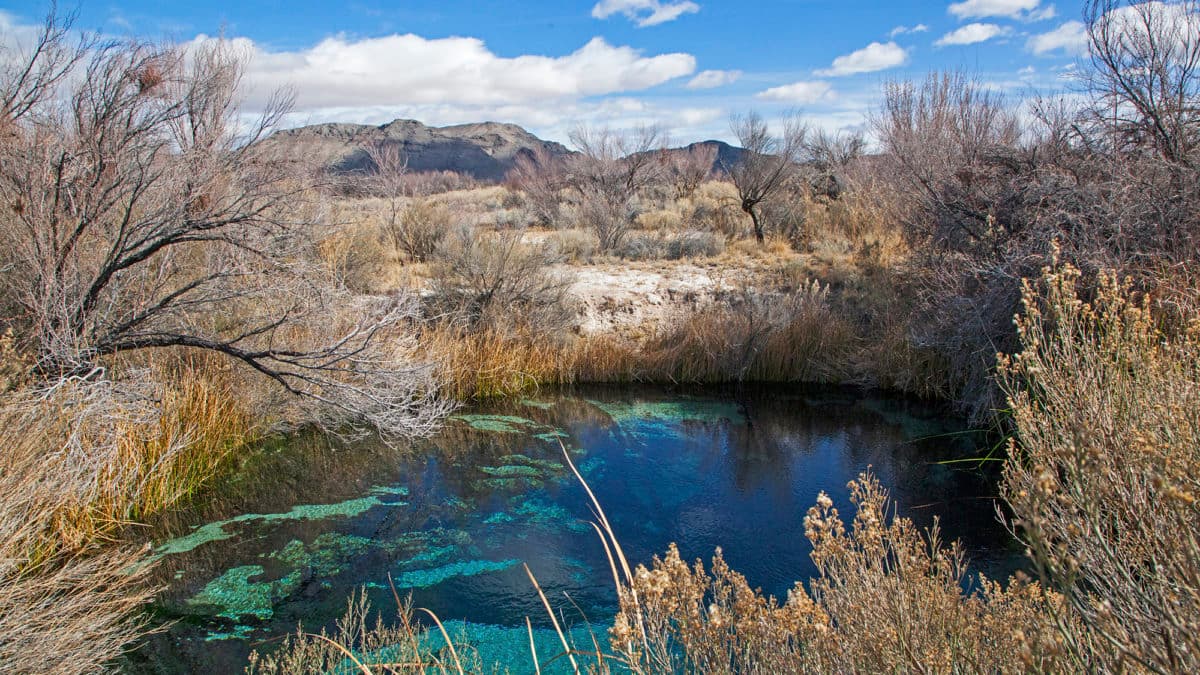
Jim Butler was camping around Tonopah Springs in the spring of 1900 when his burro wandered off. He found promising ore, and the rock was assayed at more than $200 per ton, a figure that helped trigger what travel materials describe as the second-largest silver strike in Nevada history. The Nevada State Historic Preservation Office says Butler’s discovery ended a twenty-year slump in Nevada’s economy.
Butler later told a young attorney named Tasker Oddie about the discovery after returning to Belmont. Oddie went on to become a key figure in Tonopah’s mining development, serving as manager of the Tonopah Mining Company before moving into statewide and federal office. The sequence matters because Tonopah’s rise was not just a lucky find in the desert; it quickly became an organized mining rush with political and business leaders built around it.
Butler returned with Belle on August 25, 1900, and staked the Desert Queen, Burro, and Mizpah claims. The first shipment from the strike to Austin reportedly brought in $600, a small sum compared with what followed, but an early marker of how quickly the camp began to generate value.
From spring campground to county seat
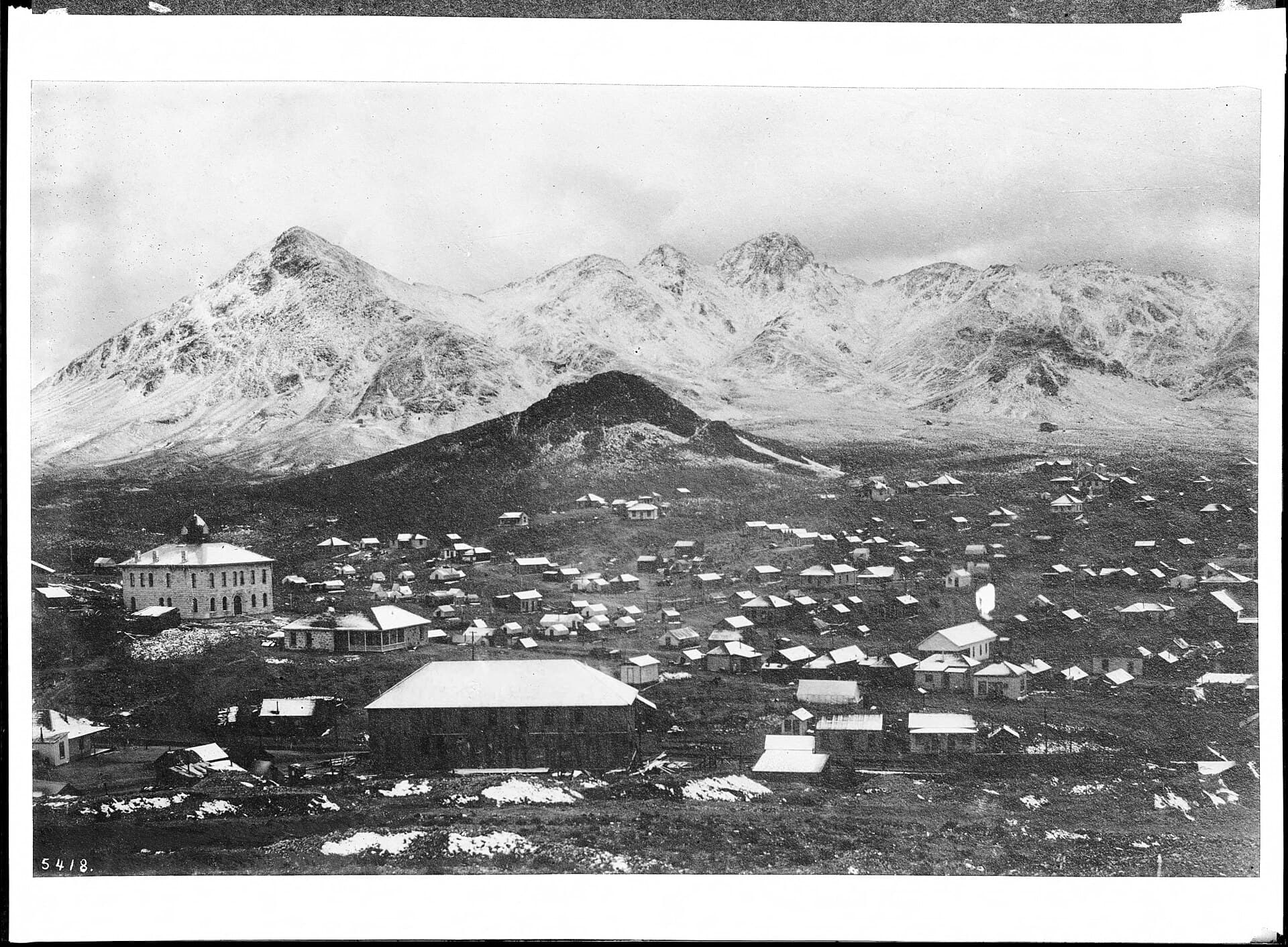
Tonopah Springs was long an Indigenous campground before Butler’s discovery rewrote the town’s future. By the fall of 1902, Tonopah had more than 3,000 residents, 32 saloons, two newspapers, two dancehalls, two churches, and two daily stages, a snapshot of a boomtown growing faster than its infrastructure.
That growth helped Tonopah become the richest silver producer in the nation and replace Belmont as the Nye County county seat in 1905. The town’s peak mining years came between 1910 and 1914, when annual production topped $8 million, and total mine production from 1900 to 1921 reached almost $121 million. Tonopah mines eventually shipped more than 5,000,000 tons of ore, a scale that explains why the town’s mining district still carries so much weight in local memory and county history.
What the mining park preserves
The Tonopah Historic Mining Park sits on portions of four of the original major mining companies, which makes it more than a reconstructed attraction. It preserves and restores equipment and buildings from the district’s working years, then opens them to visitors through historic exhibits, a theater film, self-guided tours, and guided Polaris tours.
That setup gives the park the feel of an open-air classroom. Instead of presenting mining as a finished chapter, it lets visitors move through the physical remains of the district that made Tonopah. The Tonopah Historic Mining Park Foundation says its mission is to preserve Nevada’s mining history, heritage, and life surrounding it, and the site reflects that purpose in the way it keeps the original mining landscape intact.
The restored Mizpah Mine Shaft is one of the park’s most vivid stops. Visitors can peer into a 500-foot-deep stope, a reminder of how much of Tonopah’s wealth came from work that happened far below the desert surface. The visitor center also includes a mineral collection with fluorescent rocks, adding a compact but useful introduction to the geology that made the district profitable in the first place.
How to experience it on the ground
A visit works best when you treat the park as part history stop, part landscape tour. The self-guided walking route lets you move at your own pace through the old mining ground, while the guided Polaris tour covers more terrain and helps connect the preserved structures to the larger district.
Inside, the theater film and exhibits fill in the sequence from Butler’s discovery to the boom years. Outside, the original buildings, equipment, shafts, and cave-ins make clear that this was a real industrial district, not a themed recreation. The contrast is what gives the park its force: the story of Tonopah is still anchored to the physical remains of the mine claims that started it all.
Why it still matters to Nye County
Tonopah’s travel identity still depends on the same mix of history and geography that made it a mining town in the first place. The town sits halfway between Las Vegas and Reno, and it is still framed as a dark-sky destination, an overnight stop, and a history-rich base for people moving across central Nevada. The mining park turns that abstract identity into something tangible, giving travelers a reason to stop, look, and understand why Tonopah became the Queen of the Silver Camps.
For Nye County, preserving the park is not just about honoring a boom era. It keeps the origin story of Tonopah visible in the present, supports the town’s role as a destination, and ties local identity to a place where the county’s economy, geography, and history still meet on the same ground.
This article was produced by Prism’s automated news system from verified source data, official records, and press releases, then run through automated quality and moderation checks before publishing. The system is built and supervised by the people who set the standards it runs under. Read our full AI policy.
Know something we missed? Have a correction or additional information?
Submit a Tip