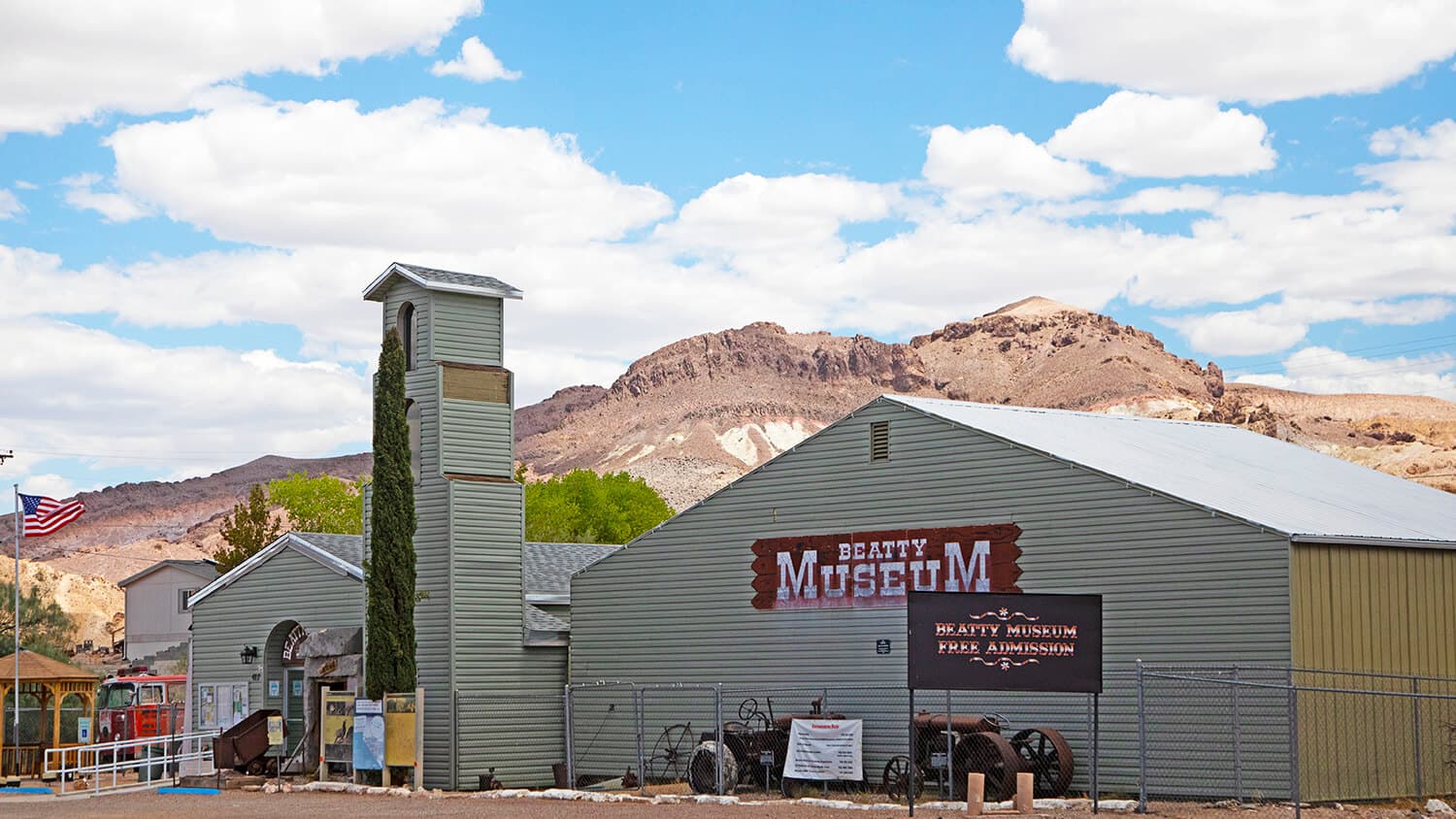
Tonopah project turns historic landmarks into self-guided tour
Tonopah is turning its boomtown past into a self-guided route, using county ARPA money, public records and local landmarks to support preservation and tourism.
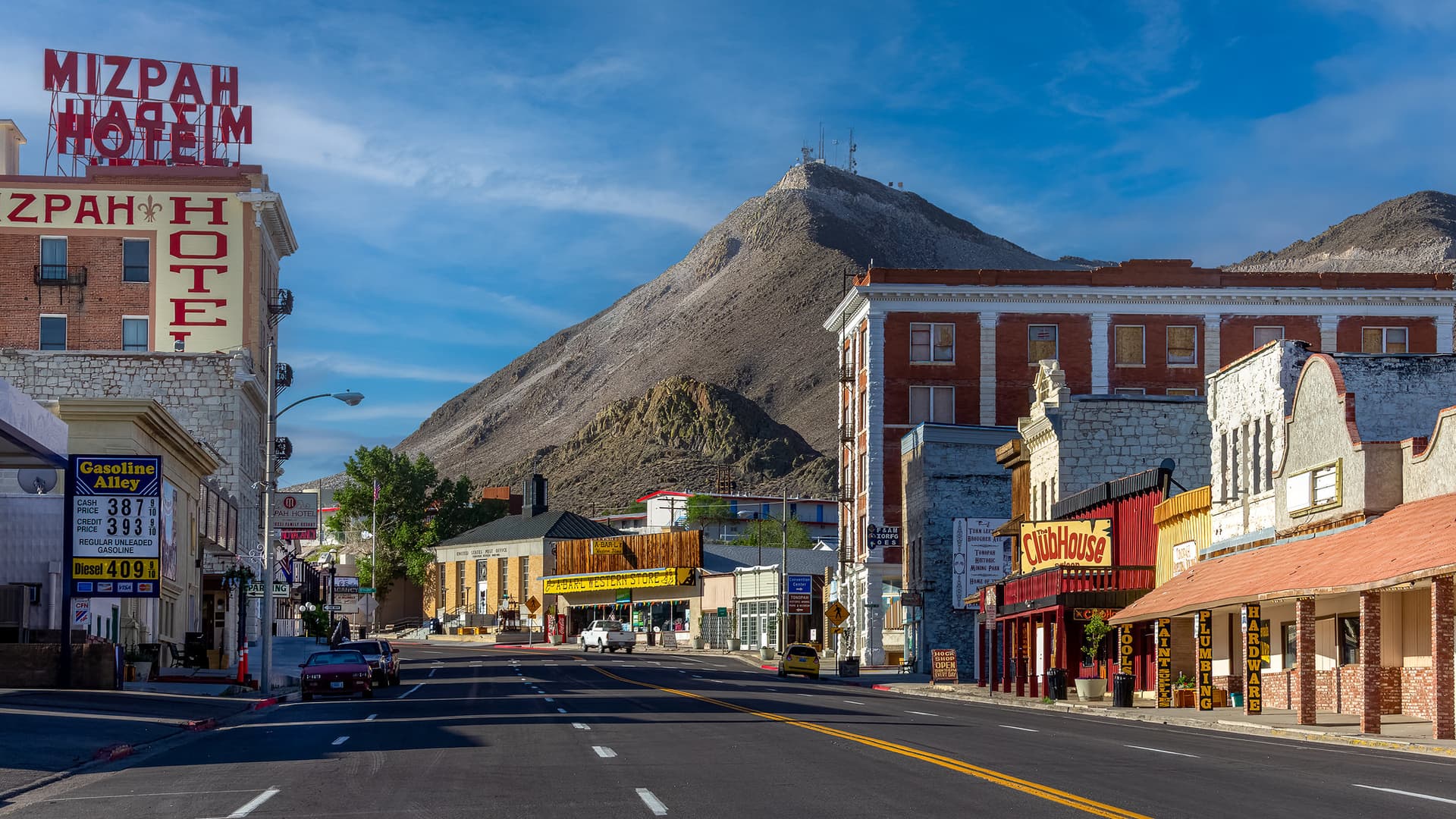
Tonopah’s past is being organized into something residents and visitors can actually follow. Through the Historical Storytelling project, Tonopah Main Street is turning scattered landmarks, records and cemetery research into a self-guided tour that doubles as a preservation plan and an economic strategy for the town.
How the project is being paid for
The effort is not just a volunteer history exercise. In mid-2023, Nye County allotted Tonopah Main Street $52,400 from its American Rescue Plan Act grants program to launch the Historical Storytelling project, and county materials frame the work as part of the Nye County ARPA recovery plan focused on economic impacts for tourism. That makes the project a test case for how local recovery dollars can be used in a place where the historic district is also a business district.
Tonopah Main Street says its mission is to improve quality of life and revitalize the business climate while preserving Tonopah’s historical past. The organization’s quarterly progress reporting, provided by Kat Galli with Tonopah Development Corporation doing business as Tonopah Main Street, ties the effort to budget status, outcome results and future goals under the county’s tourism-focused recovery policy. In other words, the question is not only what gets remembered, but what public investment is supposed to produce for the town.
What the self-guided experience covers
The project pulls together a walking tour of Tonopah’s physical history, using places that still shape the town’s daily life. Among the featured stops are the Tonopah Mural, the Jim and Belle Butler monument, the Veterans Monument, the 1909 Water Company building that still houses town offices and Tonopah Public Utilities, and the historic Nye County Courthouse, now home to community organizations.
The project is also documenting the Old Tonopah Cemetery, where the historical record is still being filled in name by name. Dozens of burials have already been added to the project’s websites, and hundreds more people have been identified for future research. That work matters because a town’s story is often carried not just by buildings, but by the people buried there, the records attached to them and the institutions that keep those records accessible.
The effort is being built from a mix of public and institutional sources, including the Nye County Clerk’s Office, the Nye County Recorder’s Office, the Central Nevada Museum and other records. That matters for accountability: the project is not relying only on nostalgia or oral tradition, but on documentable evidence that can be checked, mapped and expanded over time.
Stops that anchor Tonopah’s story
The Butler monument and the town’s origin story
One of the most important stops is the Jim and Belle Butler monument, located at 215 N. Main Street at Pocket Park and the Tonopah Visitor Information Center. Secondary historical sources say the monument was dedicated in May 2017, and it commemorates the Butlers’ May 1900 staking of claims that led to Tonopah’s founding.
That origin story is central to understanding why the town still markets its past. Jim Butler’s 1900 discovery is credited with ending a twenty-year slump in Nevada’s economy, and Tonopah went on to become the richest silver producer in the nation. The town also replaced Belmont as the Nye County seat in 1905, a reminder that Tonopah’s rise was not symbolic. It reshaped the county’s political and economic center of gravity.
The courthouse, utilities building and other surviving landmarks
The 1909 Water Company building is especially revealing because it shows preservation as reuse, not museum display. It still serves town offices and Tonopah Public Utilities, which means the historic structure remains part of the town’s working infrastructure rather than a static relic.
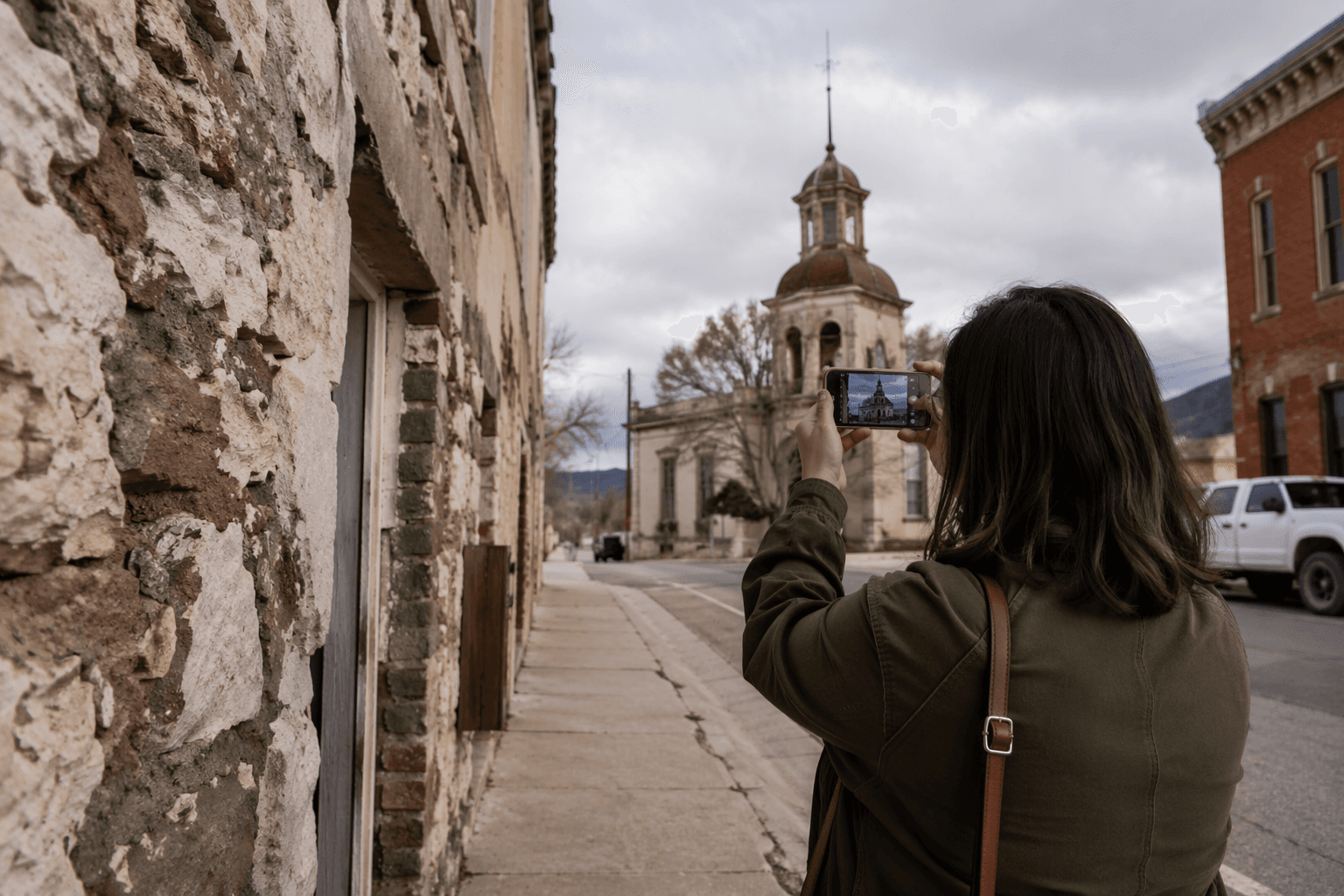
The Nye County Courthouse tells a similar story. It is no longer simply a seat of government in the old sense, but a building that now houses community organizations. That reuse gives the project a stronger local argument: preservation can keep historic space active, visible and connected to present-day needs instead of leaving it empty and expensive to maintain.

The Tonopah Mural and the Veterans Monument add another layer, turning Main Street itself into an interpretive corridor. Each stop is meant to help visitors connect the town’s Old West identity, mining-era growth and civic memory without needing a guidebook in hand.
Why this is bigger than a heritage tour
Tonopah’s history is valuable because it remains tied to land use, public spending and downtown vitality. The Tonopah Historic Mining Park spans more than 100 acres and includes portions of four original major mining companies, which shows how large the historic footprint still is beyond Main Street. The park and the surrounding history sites interpret the boom that followed the Butler claims, but the new storytelling project is trying to make that history more legible at street level.
That distinction matters for Nye County residents. If preservation is treated only as nostalgia, it can become an expense with no clear payoff. If it is treated as development strategy, it can support visitation, encourage foot traffic downtown and help explain why a town with a small population still carries outsized historical weight.
What remains to be built
The project is clearly not finished. Hundreds of people tied to the Old Tonopah Cemetery have already been identified for future research, which suggests the archive is still expanding and the map is still being filled in. The challenge now is whether the county and its partners continue to treat those records, sites and names as part of a broader economic plan, or whether the work stalls at a few visible landmarks.
For Tonopah, the payoff of preservation is supposed to be practical: more coherent history, stronger visitor appeal and a clearer identity for a town that helped define Nevada’s mining era. The larger lesson for Nye County is that the fight over what gets preserved is also a fight over what kind of future the county wants to fund.
This article was produced by Prism’s automated news system from verified source data, official records, and press releases, then run through automated quality and moderation checks before publishing. The system is built and supervised by the people who set the standards it runs under. Read our full AI policy.
Did this article answer your question?