Aurie wins FDA approval for reusable no-touch catheter, aims to cut infections
Aurie’s reusable no-touch catheter won FDA authorization, giving the Syracuse startup a path toward fewer infections and more Central New York growth.

Souvik Paul’s Syracuse company, listed in the FDA database as Cathbuddy, Inc. at 841 E. Fayette St., won federal authorization for a reusable no-touch urinary catheter that Aurie says could help push the business toward hiring, hospital sales and broader growth in Central New York.
The U.S. Food and Drug Administration granted De Novo marketing authorization on April 30 for the Aurie System, under request DEN250023. The device was classified under product code SHV and reviewed by the Gastroenterology/Urology advisory committee. Aurie says the system is the first automatically reusable catheter system and the first reusable intermittent urinary catheter system to receive FDA marketing authorization.
The approval matters because catheter-associated urinary tract infections are among the most common healthcare-associated infections. The Centers for Disease Control and Prevention says the biggest risk factor is prolonged use of a urinary catheter. Medical literature also describes CAUTIs as a major burden that can lead to secondary bloodstream infections and feed antibiotic resistance.
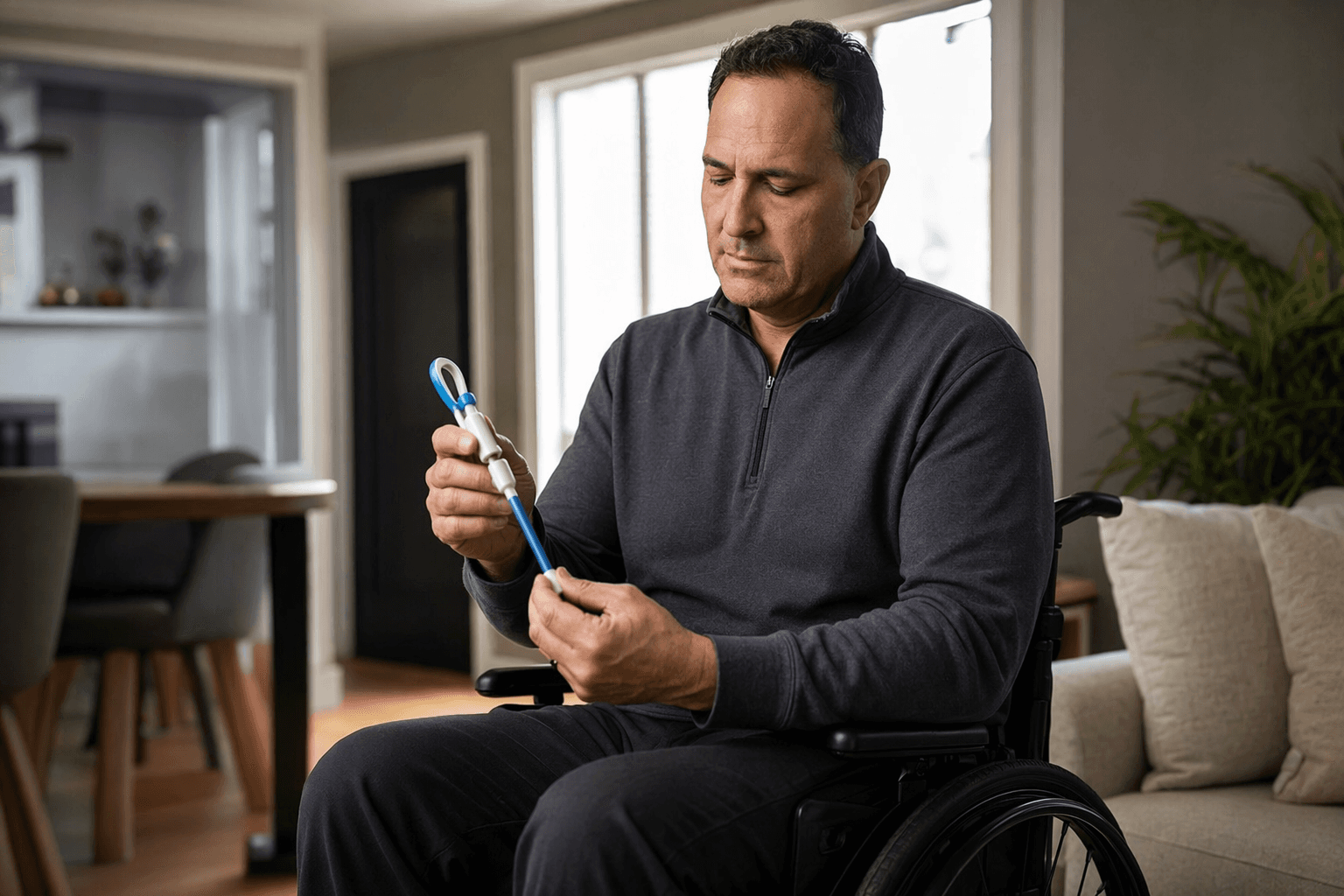
Aurie’s pitch is that a reusable, no-touch system can reduce contamination each time a patient has to catheterize. The device is designed for adults, and its authorized use is bladder drainage for adult male patients requiring intermittent catheterization. That target group includes people living with spinal cord injuries and others who need long-term catheter care, a population that faces repeated exposure to infection risk every day.
Aurie says it plans to make the device available first later in 2026 at select Veterans Health Administration spinal cord injury hospitals. That initial rollout could give the Syracuse company a credible hospital foothold and strengthen its case for additional partnerships, manufacturing scale-up and outside investment in the region.
The decision also comes with signs that Aurie is shifting from regulatory win to commercial buildout. In a May 11 company release, Aurie promoted Sergey Grigoryants to chief technology officer and added Manu Varma to its board of directors and Dr. Christopher Elliott to its scientific advisory board. For a local medtech company, those moves point to a team being assembled for growth, not just invention.
In Syracuse and across Onondaga County, the stakes are practical. Fewer catheter-related infections can mean fewer complications, less antibiotic use and fewer extended hospital stays, all of which matter to local health systems and the employers that ultimately absorb the cost of delayed recoveries. For a city working to grow its innovation economy, Aurie’s approval gives Central New York another health technology with a shot at turning a patient-safety problem into a homegrown business.
This article was produced by Prism’s automated news system from verified source data, official records, and press releases, then run through automated quality and moderation checks before publishing. The system is built and supervised by the people who set the standards it runs under. Read our full AI policy.
Did this article answer your question?