Camillus aqueduct offers rare, navigable glimpse into Erie Canal history
Walk the only restored, rewatered, navigable aqueduct in New York State at Camillus Erie Canal Park. The 1842 crossing now anchors trail rides, family outings and local pride.
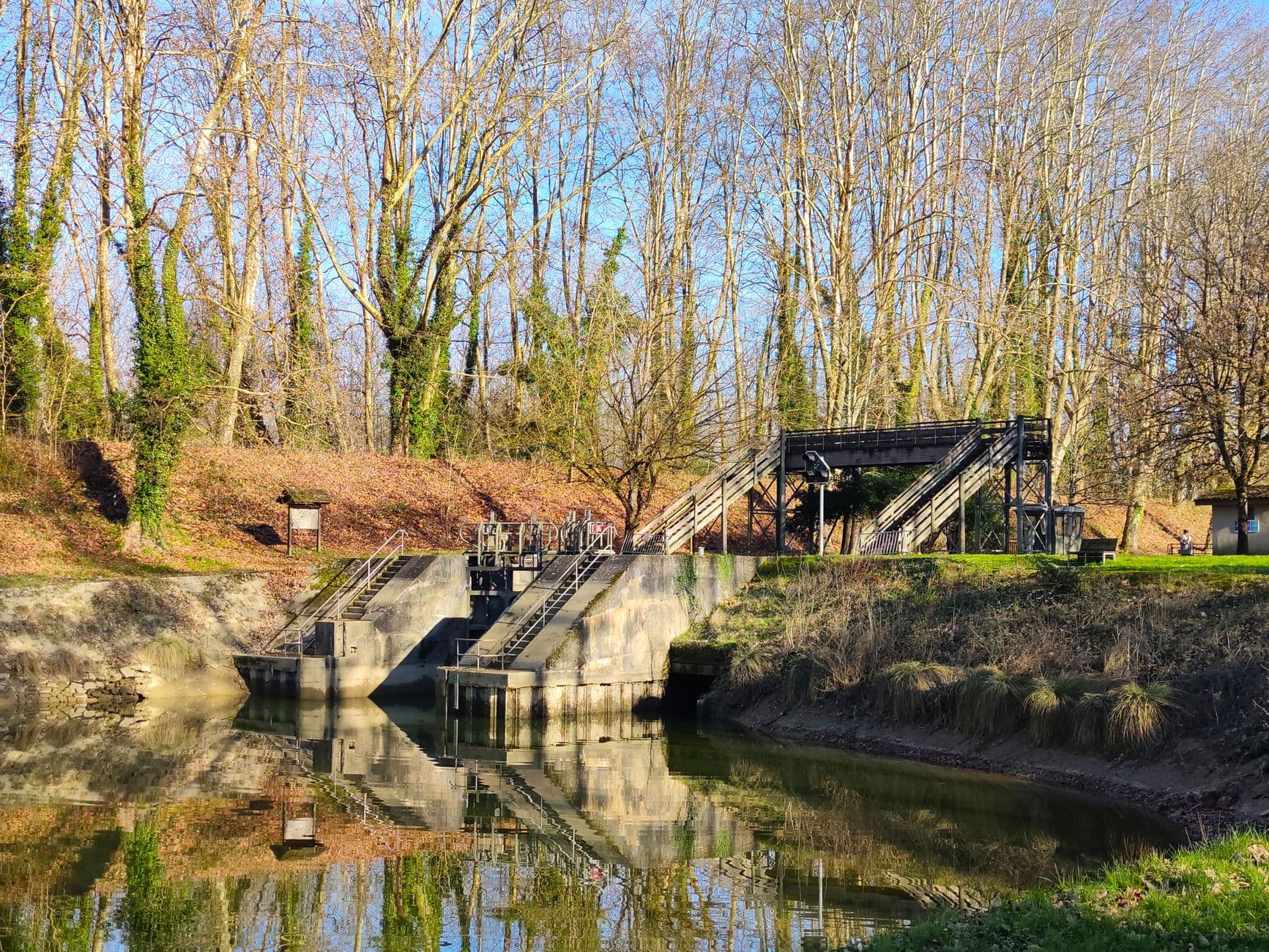
The easiest place in Onondaga County to stand inside Erie Canal history is not a museum gallery. It is the Nine Mile Creek Aqueduct in Camillus, where the canal still crosses water the way engineers intended in the 1840s. Today, you can bike, walk, or linger at Camillus Erie Canal Park and see why this restored crossing remains one of the county’s most vivid public landmarks.
A working landmark, not a relic
The aqueduct was built in 1842 to carry the Erie Canal over Nine Mile Creek, and that detail still defines the site. It belongs to the Enlarged Erie Canal era, when New York was reworking the original waterway so larger boats could move more goods through central New York.
That matters because the structure is not a modern replica or a decorative reconstruction. It is one of just 32 aqueducts built on the first enlargement of the Erie Canal, and Camillus History identifies it as the only navigable aqueduct in New York State. Erie Canalway materials go a step further, describing it as the state’s only restored, rewatered, navigable aqueduct.
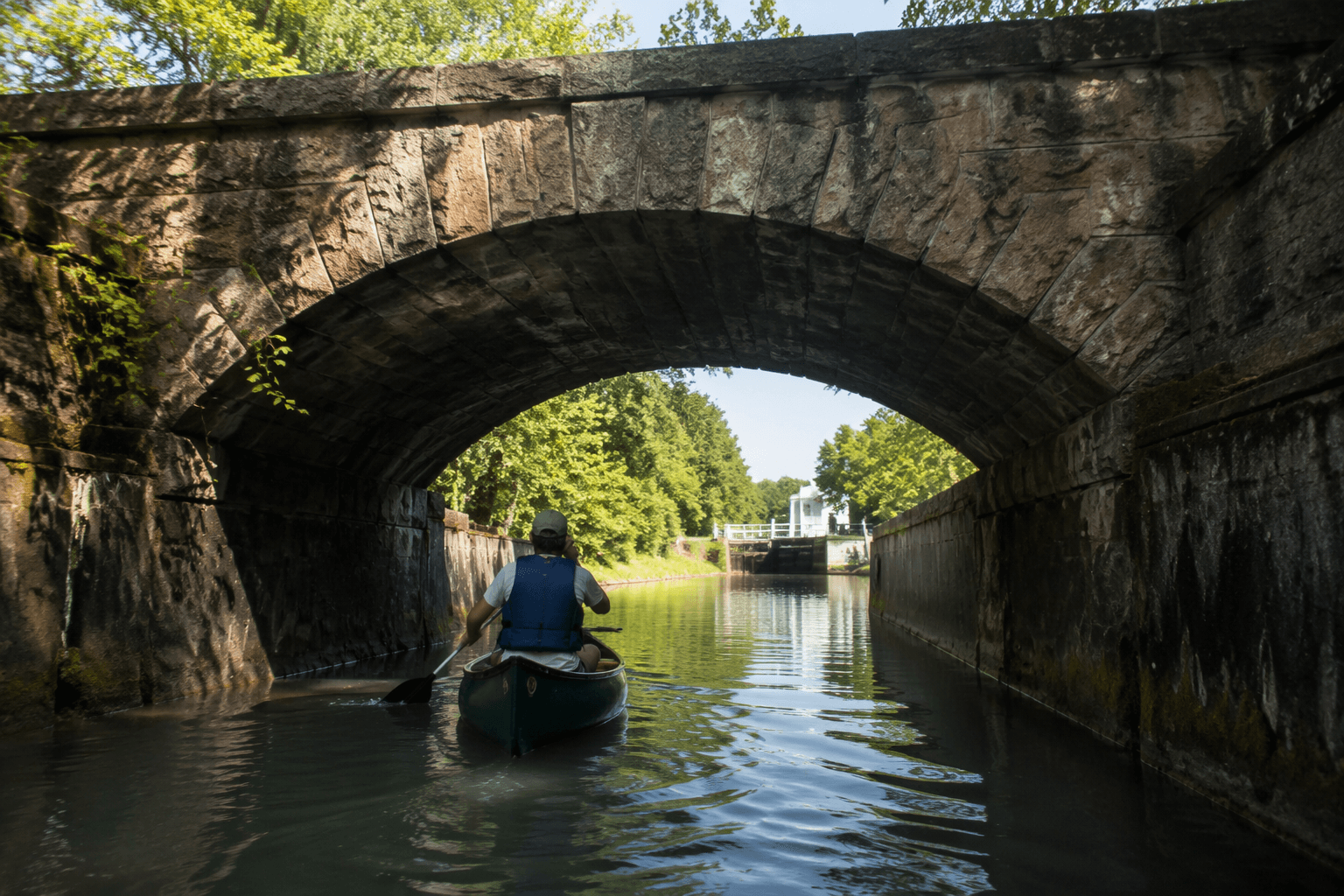
For visitors, those facts show up in a way a textbook cannot match. Water still spans the crossing, the trail still runs through the corridor, and the structure still gives a clear sense of how the canal had to leap over creeks, roads, and low ground long before modern highways changed the landscape.
How to see it today
The Nine Mile Creek Aqueduct sits inside Camillus Erie Canal Park, a 420-acre site that gives the county a rare combination of preserved canal land and active outdoor use. The Camillus Erie Canal site describes the park as a place for boat tours and other visitor experiences, which helps make the aqueduct feel like part of a living public space rather than a static monument.
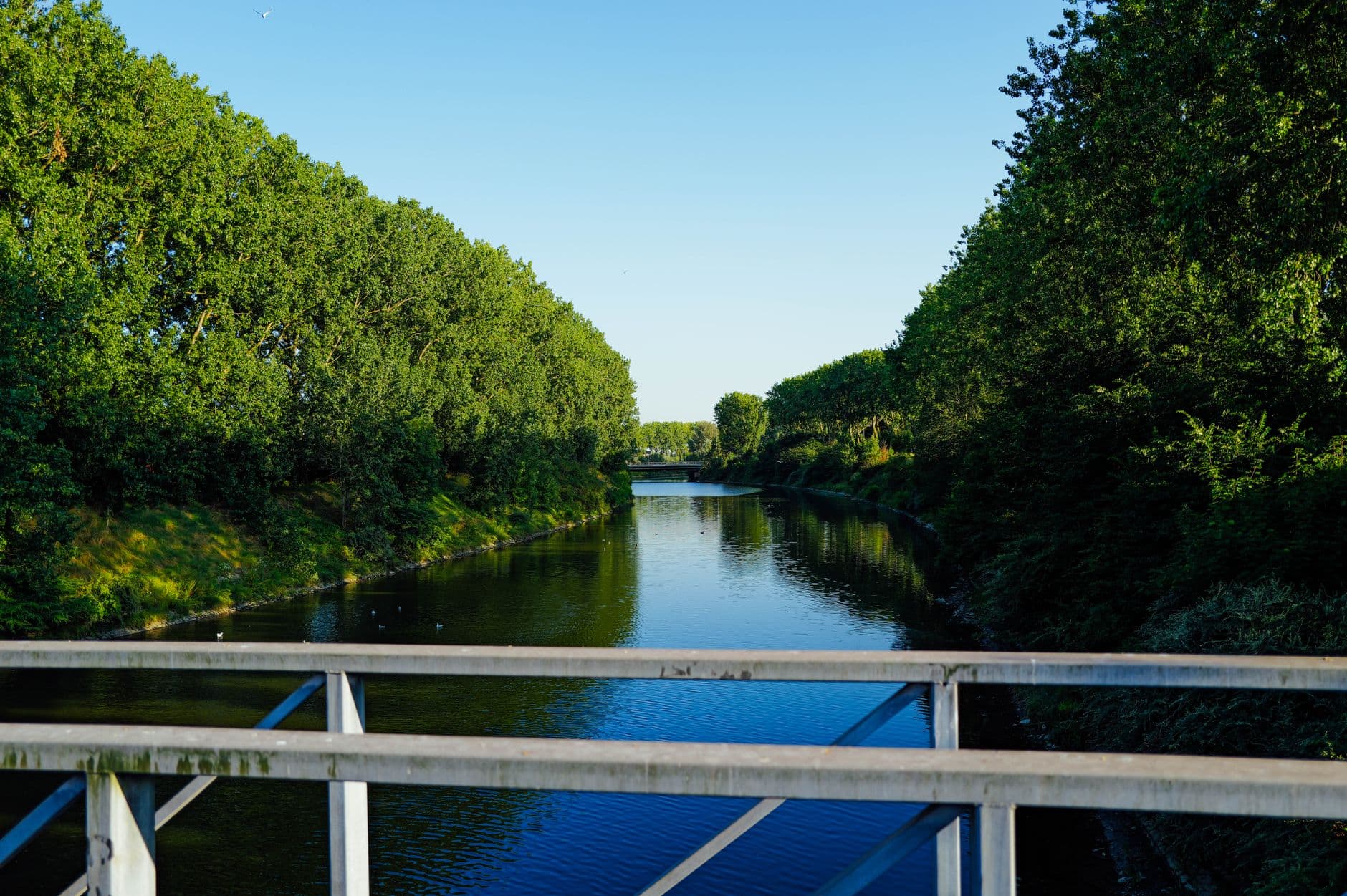
The easiest approach is to build the visit around the trail network. The Empire State Trail’s Port Byron-to-Camillus section is 20 miles long, with 18 miles off-road on a stonedust path. The Camillus-to-Syracuse section is 9 miles and is primarily off-road, giving walkers and cyclists a connected route that keeps the canal corridor front and center.
That trail access is a big reason the aqueduct works well for family outings. Erie Canalway says the broader Erie Canalway Trail between Albany and Buffalo is 87-percent off road and suitable for all ages and abilities, which explains why Camillus has become one of the region’s most approachable places to introduce kids, relatives, and casual riders to canal history without turning the day into a hard hike.
Why the restoration still matters
The aqueduct’s second act is part of what makes it such an important local asset. Erie Canalway materials say volunteers restored the structure in 2009, bringing it back into public view after decades without boat traffic. A Syracuse.com account said boats crossed the aqueduct that year for the first time in 89 years, a milestone that showed just how dramatic the restoration had been.
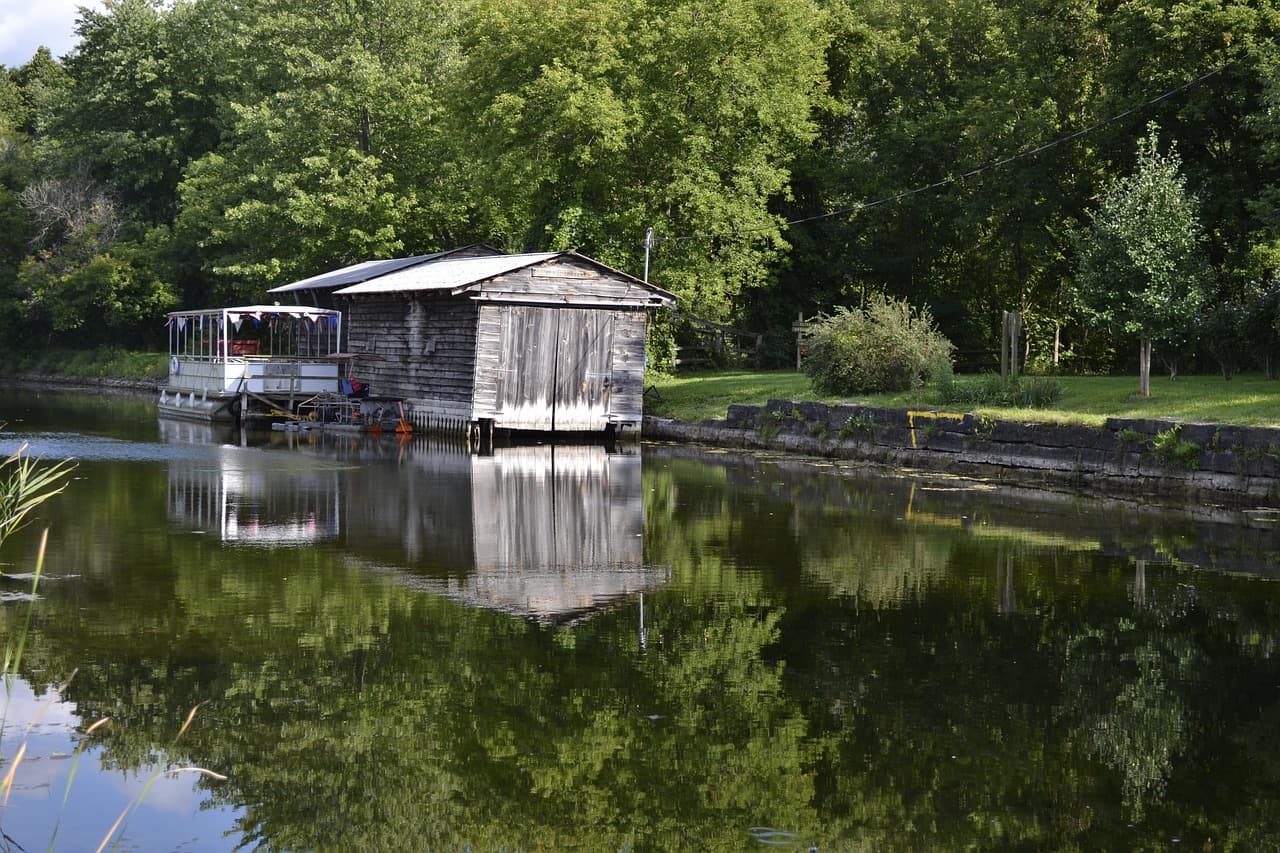
That work did more than stabilize an old structure. It turned the aqueduct into a preserved, usable part of the county’s recreation network, with volunteers and longtime supporters helping a 420-acre park stay active instead of fading into the background. The project also drew an Excellence in Historic Preservation award, which put Camillus on the map for preservation work that connected civic pride with hands-on restoration.
This kind of stewardship matters in a place like Onondaga County, where so much of the region’s identity is tied to infrastructure that once powered growth, trade, and settlement. The aqueduct offers a tangible example of how community preservation can keep that history in public hands, accessible without a ticketed museum or a special tour schedule.
Why the engineering story still lands locally
The Nine Mile Creek Aqueduct helps explain the Erie Canal in one glance. In the 1840s, canal builders were solving a practical problem: move boats over a creek without interrupting the canal route. That solution, scaled across dozens of crossings, helped shape how central New York developed around the waterway.
At Camillus, the result is especially clear because the structure survives in place, on the original corridor, where it still carries meaning for residents of Camillus and the wider county. It links the Erie Canal’s industrial past to a present-day park, trail system, and volunteer-preserved landscape that people can visit on an ordinary afternoon.
That is why the aqueduct remains more than an old engineering project. It is a public window into the Erie Canal’s working past, and one of the few places in New York where that past still feels physically navigable.
This article was produced by Prism’s automated news system from verified source data, official records, and press releases, then run through automated quality and moderation checks before publishing. The system is built and supervised by the people who set the standards it runs under. Read our full AI policy.
Did this article answer your question?