Clay imposes one-year data center moratorium, approves battery storage law
Clay put a one-year pause on new data centers while adopting battery-storage rules, a split decision that buys time on Micron-era growth.
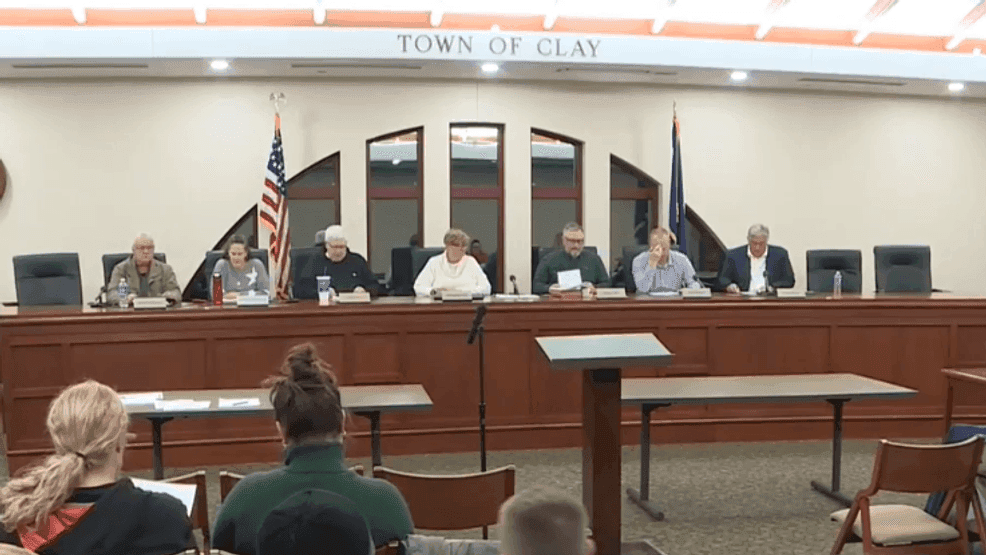
Clay put a one-year moratorium on new data centers and other high-intensity computing facilities June 30, while also approving a new law for battery energy storage systems that lets some projects move ahead under tighter rules.
Deputy Town Supervisor Joe Bick said the data-center pause is meant to give the town time to research the issue before writing permanent guidelines, and he said Clay is working with the Onondaga County Executive’s office on a study as part of that process.
Onondaga County plans to spend up to $500,000 on a separate study of data centers, and County Executive Ryan McMahon said the work will be neutral, not an advocacy piece. The study is meant to help local governments make informed decisions about projects that can strain electric grids and land use across Onondaga County.
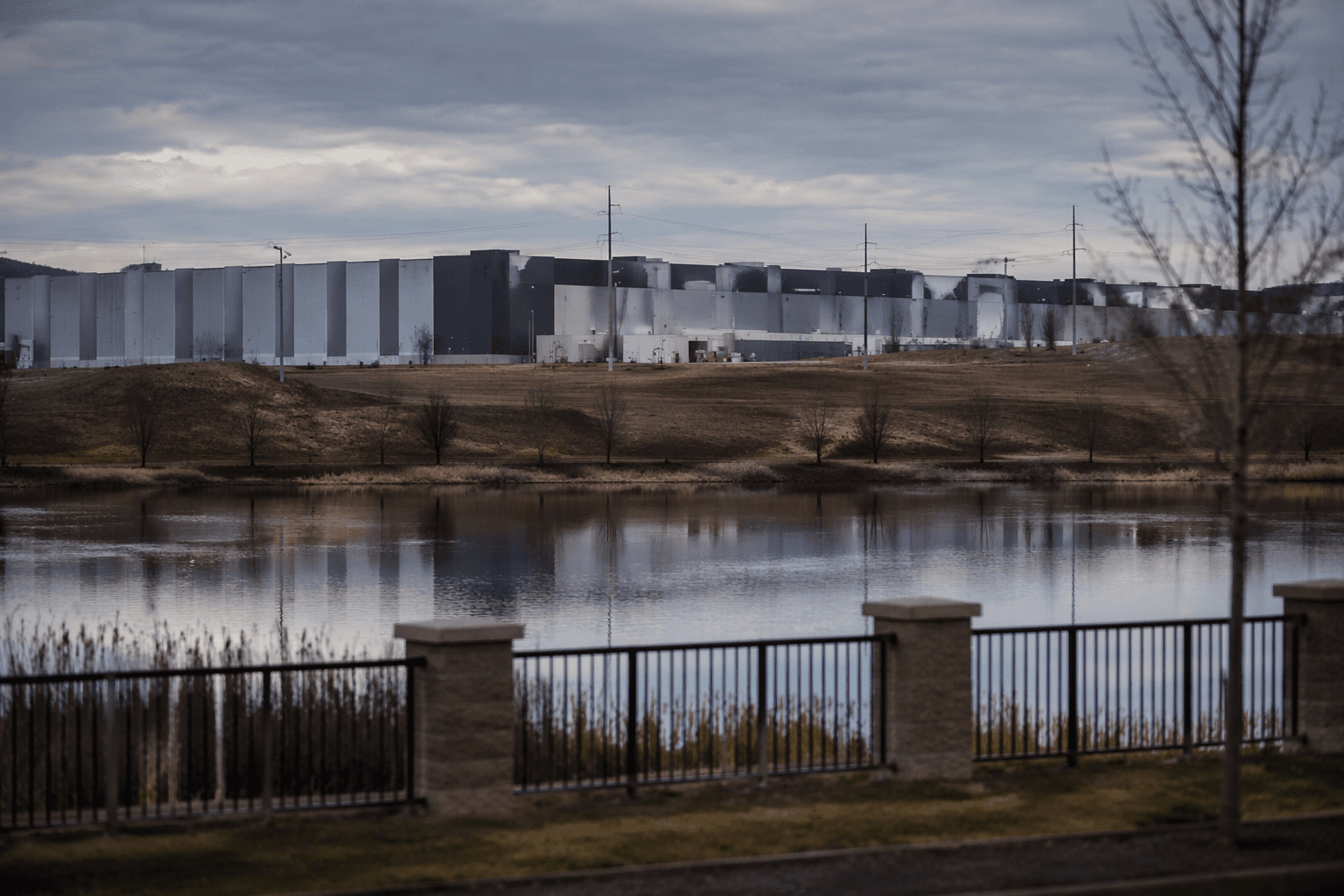
Clay’s battery storage law ends a previous six-month moratorium on battery energy storage systems and replaces it with rules for different tiers of projects. The law adds requirements for emergency response plans, setbacks and wetland protections. Board member David Capria said the town will keep studying the issue and eventually adopt a more permanent law. Multiple battery storage applications are still waiting for approval, so the new law affects active proposals.
In February, residents raised concerns about fire risk and whether battery systems were too close to housing, and fire-safety consultant Paul Rogers said New York requires developers to ensure local fire departments are trained to respond to battery-storage fires. Resident Russell Schulz said he wanted more information about the risks and benefits before the projects advanced.

Micron New York Semiconductor Manufacturing LLC proposes a semiconductor facility at the 1,400-acre White Pine Commerce Park in Clay, and Onondaga County legislative minutes put the site at a 339-acre advanced manufacturing campus with a nearby National Grid Clay substation and a 4-gigawatt capacity context well above Micron’s power needs over a 20-year construction cycle.
This article was produced by Prism’s automated news system from verified source data, official records, and press releases, then run through automated quality and moderation checks before publishing. The system is built and supervised by the people who set the standards it runs under. Read our full AI policy.
Did this article answer your question?