DEC reports show American eels once thrived in Onondaga Lake
DEC records say American eels once were plentiful in Onondaga Lake, a reminder that the lake’s recovery is real, but still incomplete.
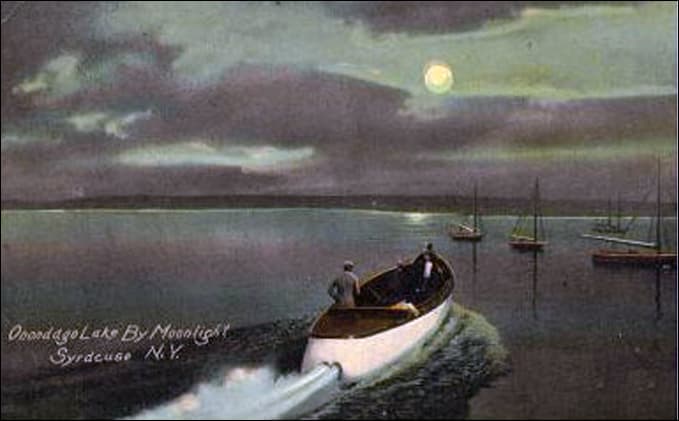
DEC records showing American eels once thrived in Onondaga Lake add a striking benchmark to the lake’s cleanup: the waterbody has regained fish, but not the full ecological richness it once supported. The lake on Syracuse’s edge covers 4.6 square miles, stretches about 4.6 miles long and one mile wide, and drains a 285-square-mile watershed that is mostly in Onondaga County.
That history matters because Onondaga Lake was not always a symbol of pollution. Historical fisheries materials from the Onondaga Environmental Institute say the watershed once included salt water and potable freshwater springs, wetlands and productive habitat that supported American eels, lake sturgeon, trout, burbot, pike, pickerel, bass, yellow perch and catfish. Those same materials say the watershed’s fish were a major year-round food source for the Onondagas, who controlled fishing pressure by assigning families rights to specific locations.
The lake’s cultural weight is just as important. Onondaga Nation history says the lake sits at the center of Haudenosaunee origins and has been sacred for more than a thousand years. The eel finding fits that longer story: it shows the lake once functioned as part of a living food system, not just a cleanup site.
DEC says that system was badly damaged over time. Swimming was banned by 1940 and fishing by 1970. The lake reopened to fishing in 1986, but with consumption advisories. Since then, DEC says more than 65 species of fish have been documented in Onondaga Lake, a sign of improvement that does not erase the scale of the earlier loss.
The American eel itself underscores that gap. DEC describes the species as catadromous, spending most of its 20-to-30-year life in freshwater before migrating to the Sargasso Sea to spawn once. The agency says the eel is native to 17 of New York’s 18 watersheds and still found in 15, yet its abundance has declined to near absence in many places and is now at or near historically low levels.
That helps explain why Albany is still dealing with eel policy. In 2025, the State Senate and Assembly moved legislation to extend DEC’s authority to manage American eel through Dec. 31, 2029. DEC’s regulatory analysis warns that failure to meet Atlantic States Marine Fisheries Commission requirements could lead to a complete closure of New York’s American eel fisheries.
For Onondaga Lake, the lesson is clear: cleanup has restored access, wildlife and public use, but the return of a few species is not the same as recovering the lake that once produced eels in abundance. A 2018 consent decree laid out 19 restoration projects and $5 million more for trustee-led work, and the lake’s long-term recovery is still being measured against what was lost before the pollution began.
Know something we missed? Have a correction or additional information?
Submit a Tip