Onondaga County sheriff sees first AI child exploitation case
Onondaga County’s first AI child exploitation allegation shows how fast digital abuse is evolving. Sheriff Toby Shelley said the new felony law gives investigators a way to respond.

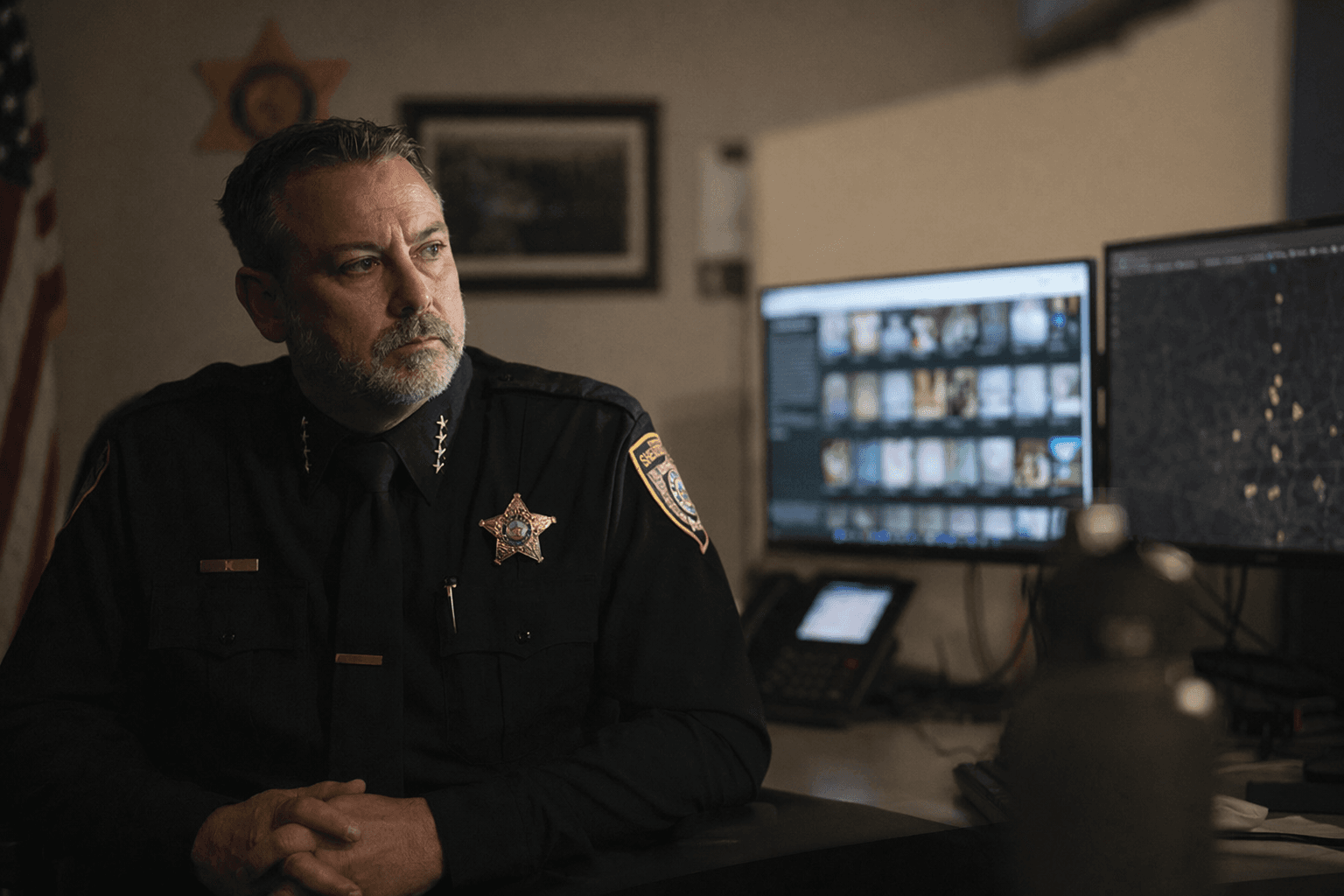
A man accused of using artificial intelligence to place a child’s face onto a sexually explicit image has already brought Onondaga County Sheriff’s deputies face to face with a new kind of crime. Sheriff Toby Shelley said the department has handled its first allegation involving AI, a sign that digitally altered child exploitation cases have reached Central New York.
The case landed after the New York State Legislature changed the law in 2025, making conduct like this a felony on the same level as if the image had shown the child. Shelley said he was glad lawmakers moved quickly because the change gives investigators a clear legal tool when AI is used to exploit children.
The case also shows how the technology is changing the work of police and prosecutors. Syracuse University professor Lee McKnight said AI is giving criminals what he described as superpowers, because it makes child abuse material easier and faster to create. He said the challenge for law enforcement is not just one offender, but a technology that can be misused in many different ways and is changing faster than safeguards can keep up.
McKnight also pointed to the way major AI companies are racing to build the most widely used tools, sometimes without enough safeguards to stop abuse. In his view, that lack of protection makes it easier for criminals to turn ordinary images into exploitative material.
For Onondaga County, the implications are immediate. Police departments are now having to train on AI-enabled exploitation, fraud and impersonation, not just traditional cybercrime. Shelley said he expects more calls as more people learn the law exists, a shift that could mean more complaints, more forensic analysis and more coordination with prosecutors.

The sheriff’s office is not just dealing with a single allegation. It is confronting the beginning of a broader problem, one where minors, images and digital manipulation overlap in ways that are fast, damaging and difficult to detect. The first case suggests local investigators will keep seeing the issue as AI spreads into more homes, more phones and more criminal hands.
Know something we missed? Have a correction or additional information?
Submit a Tip