Liverpool voters narrowly approve budget after layoffs and deficit fight
Liverpool schools passed a razor-thin budget by 111 votes, sidestepping bigger cuts but leaving a $13 million problem and more scrutiny ahead.

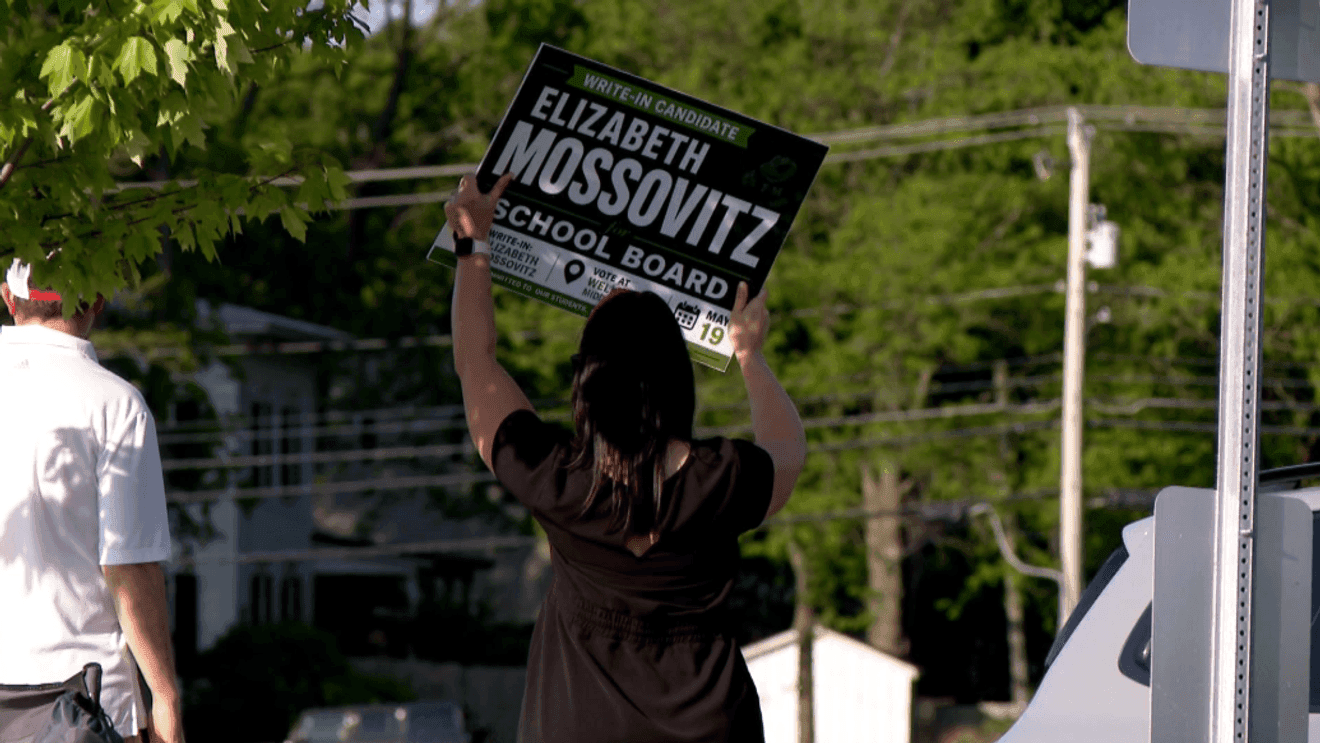
Liverpool Central School District voters approved the 2026-27 budget by the slimmest of margins, with 52% support and just 111 votes separating passage from defeat. More than 2,000 people took part in the May 19 vote at the District Office on Blackberry Road, a turnout that showed how deeply the district’s finances had rattled families, staff and taxpayers.
That result spared Liverpool from a more immediate financial shock, but it did not undo the pressure that drove weeks of warnings about layoffs, reserve spending and a widening deficit. The school board had already approved the spending plan by a 5-4 vote after two long meetings, underscoring how fragile the consensus was even before the public vote. The district had earlier talked about cutting as many as 78 jobs to close a shortfall that was first described at roughly $17 million, then later narrowed to about $13 million.

The final reductions covered a broad swath of school operations. WSYR reported that 78 cuts closed the $13 million gap, with 22 layoffs and the rest handled through attrition. The list included bus drivers, bus attendants, reading teachers and support staff, multi-tiered support system teaching assistants, special education teaching assistants, teachers on special assignment, technology support staff and administrative support staff. Those changes mean the district avoided a larger round of layoffs, but the staffing picture remains leaner heading into the new school year.
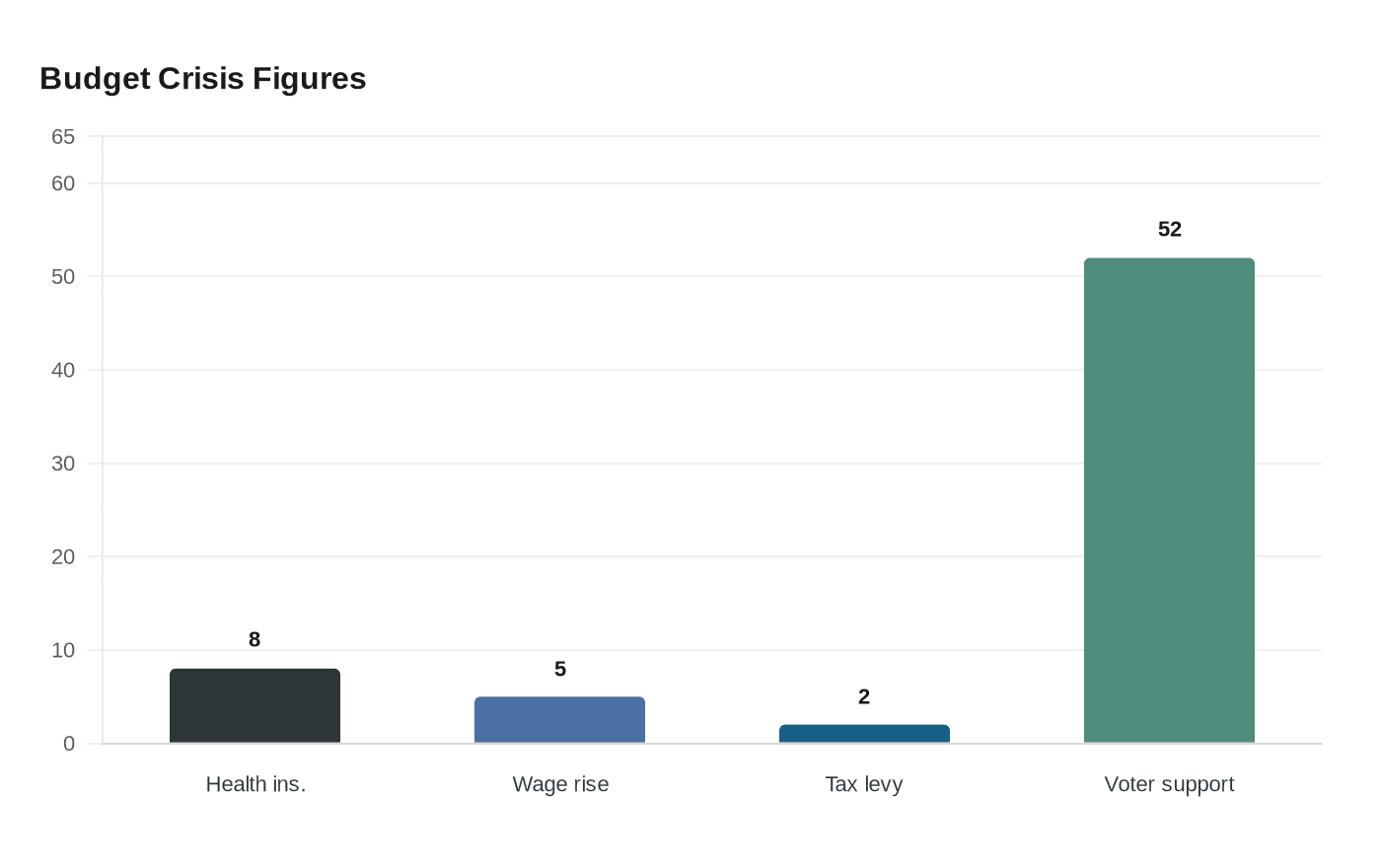
The budget fight began months earlier, when district leaders said the first draft of the plan was $20 million higher, driven largely by an 8% jump in health insurance costs. Superintendent Richard Chapman said the district is self-insured, which means it directly absorbs claims costs, and officials also pointed to a 5% increase in employee wages, plus substitute-teacher and snow-day overtime expenses. In that February draft, the proposed tax levy was expected to fall to 2%.
By March, the district was operating under a roughly $13 million deficit, down from an earlier projection near $20 million. Officials said the plan relied on $12.5 million from reserve funds and $4.6 million in personnel savings. Chapman also noted that staffing had grown by more than 170 employees over the past decade even as enrollment fell by about 525 students, a mismatch that now sits at the center of the district’s long-term fiscal strain.
For Liverpool families, the vote means the next school year moves forward without the most severe version of the cuts that had been on the table. It also leaves the district with the same warning signs that brought the budget crisis into focus in the first place: rising benefit costs, declining enrollment, heavy reserve use and a staffing level that no longer matches the student count.
Know something we missed? Have a correction or additional information?
Submit a Tip