Micron nears trillion-dollar club as Clay megaproject advances
Micron is closing in on a $1 trillion valuation, but the real test in Clay is whether that financial muscle turns into jobs, suppliers and concrete benefits on the ground.
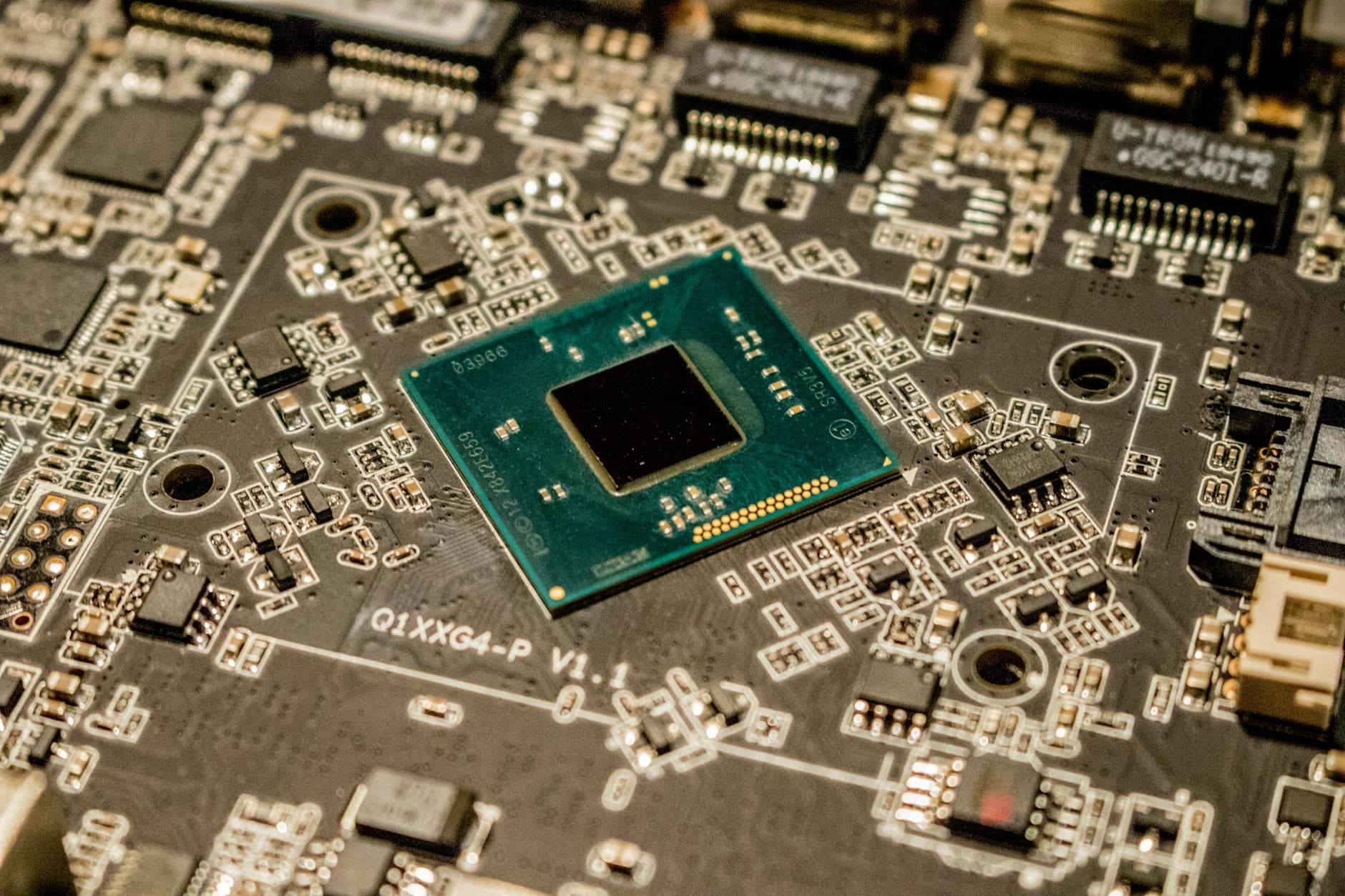
Micron’s rise toward the trillion-dollar club matters in Onondaga County for one reason: Wall Street’s confidence is now tied directly to whether the company can build one of the largest manufacturing projects in U.S. history in Clay.
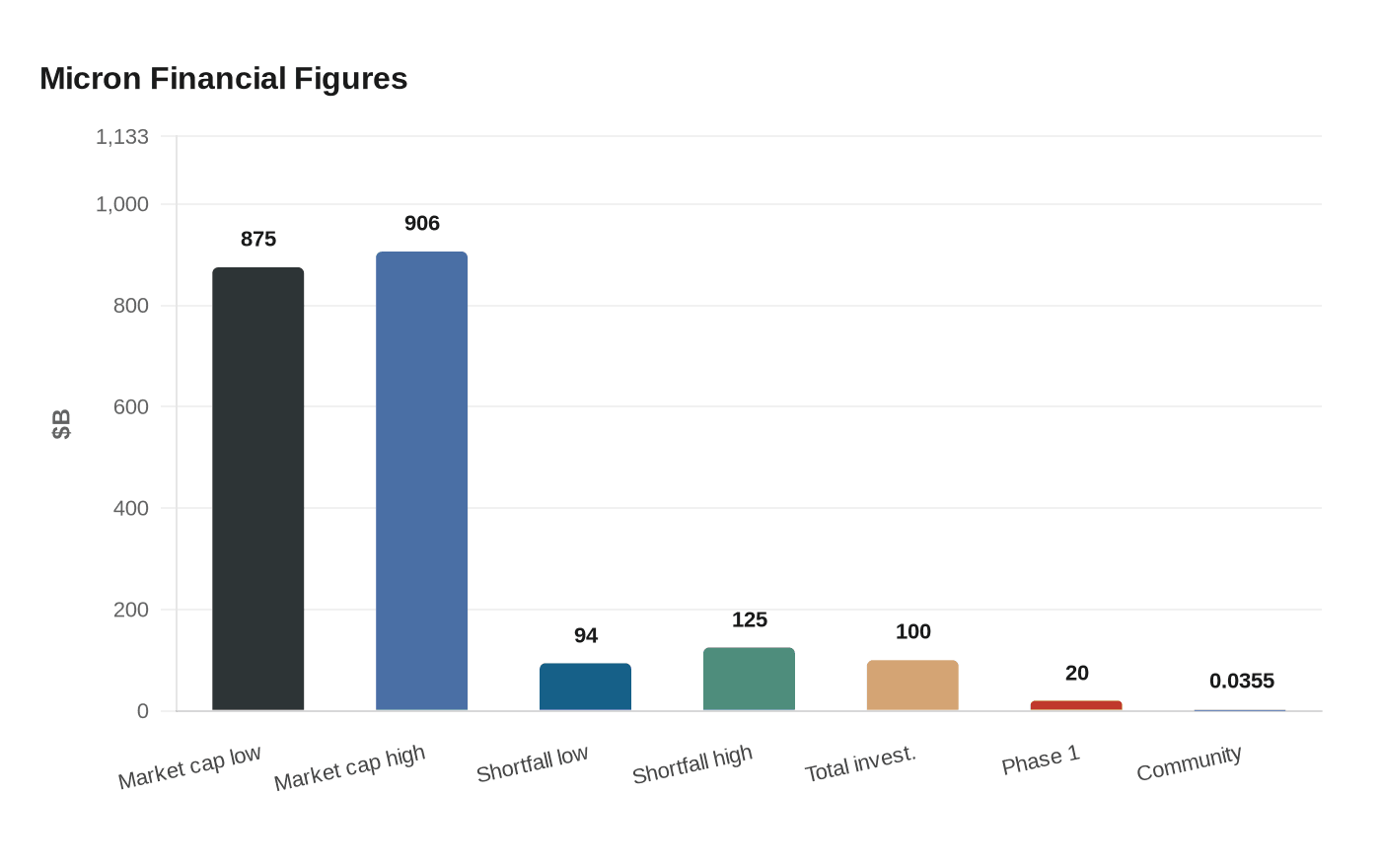
By May 14, third-party market-data sites put Micron’s market capitalization in the high hundreds of billions, roughly $875 billion to about $906 billion. That leaves the chipmaker about $94 billion to $125 billion short of $1 trillion, depending on the data source. For Central New York, that valuation is not just a bragging-rights milestone. It is a measure of how much faith investors have in Micron’s long game, including the White Pine Commerce Park megafab rising in the Town of Clay.
Micron says the New York project could run for more than 20 years, with up to four fabs and as much as $100 billion in total investment. Micron and state officials have called it the largest private investment in New York history. The company says the Clay project could generate nearly 50,000 New York jobs, including 9,000 at Micron and more than 40,000 community jobs spread across suppliers, contractors and support roles. The first phase alone calls for $20 billion in investment by the end of the decade.
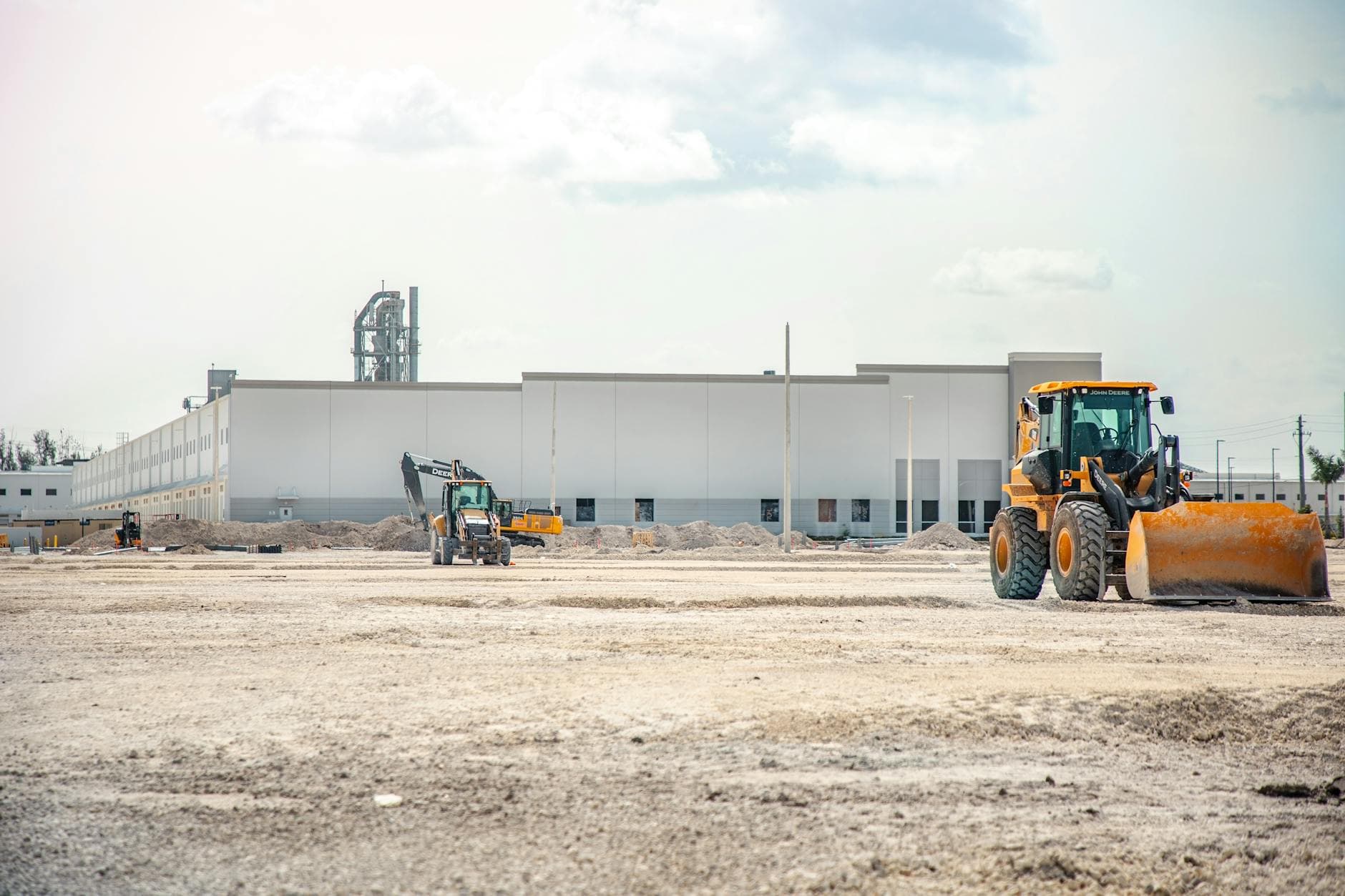
Construction officially began Jan. 16, when Micron broke ground after environmental review and permit approvals. State officials later said nine environmental permits had been issued to support the start of work in Clay. Regulators also approved a two-mile, 345-kilovolt underground transmission line and related substation upgrades to serve the site, reinforcing how much infrastructure must move in step with the plant itself.
That is where the gap between market value and local reality becomes clear. A soaring share price does not automatically fill apartment vacancies in Liverpool, create child care slots in Syracuse or guarantee work for local contractors. Those benefits depend on whether Micron’s construction schedule holds, whether suppliers move in, and whether the promised workforce pipeline keeps pace with the factory footprint.
Micron has tried to answer some of that pressure. On March 27, it announced $35.5 million in new community investments for housing, transportation, child care, workforce development and education across Central New York. Local leaders, including Syracuse University’s Kent Syverud and county and state officials such as Ryan McMahon, Kathy Hochul and Chuck Schumer, have all framed the project as a regional bet with national stakes in AI-era memory chip production.
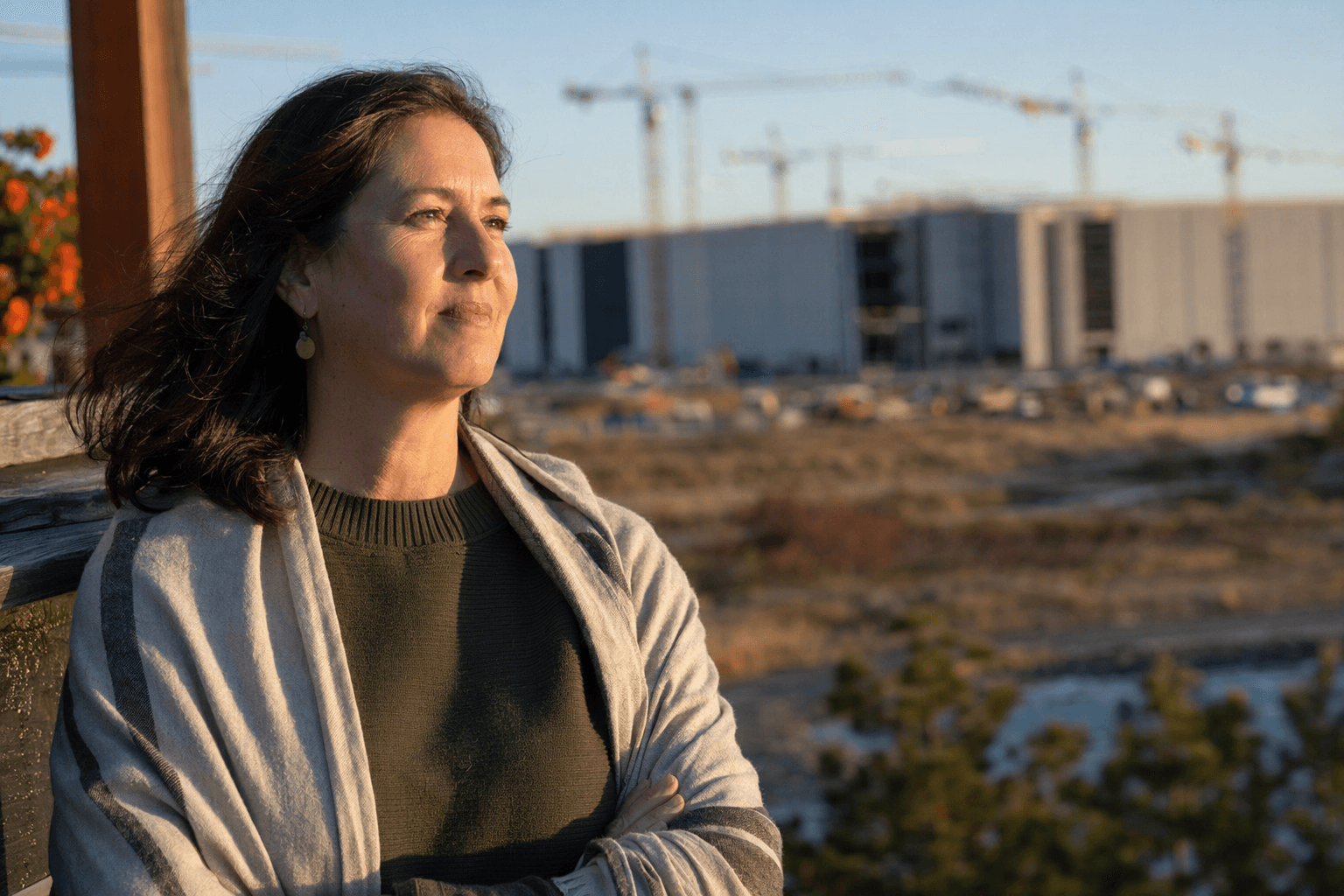
A coalition formed in early 2026 to push Micron to deliver on its promises, a sign that the project’s political and economic support now comes with closer scrutiny. For Onondaga County, the real story is no longer whether Micron can attract capital. It is whether that capital translates into hiring, suppliers, construction confidence and durable gains residents can actually feel.
This article was produced by Prism’s automated news system from verified source data, official records, and press releases, then run through automated quality and moderation checks before publishing. The system is built and supervised by the people who set the standards it runs under. Read our full AI policy.
Did this article answer your question?


