Onondaga County parks double as open-air history lessons
Onondaga County’s parks hide free history stops that explain Syracuse’s salt boom, Haudenosaunee heritage and the lakefront’s reinvention. One afternoon can cover the county’s most revealing outdoor museums.
You can spend a summer afternoon in Onondaga County without buying a museum ticket and still leave with a better sense of why Syracuse grew, how Onondaga Lake shaped the region, and where local recreation and history overlap. The county parks system treats that story as a public service: its Historic Sites page works like an interpretive program, not just a list of places to walk, picnic or bike.
Start with the lakefront story that built Syracuse
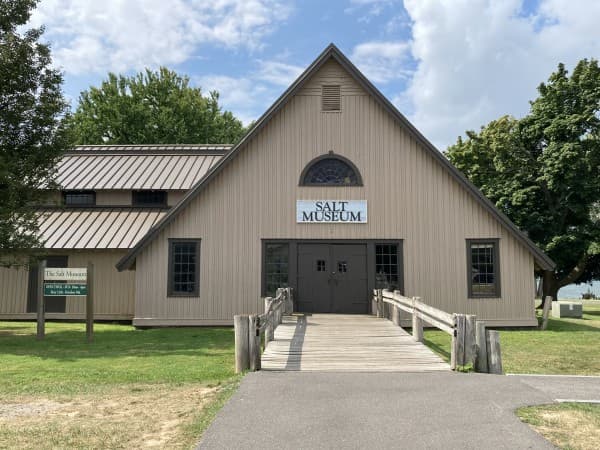
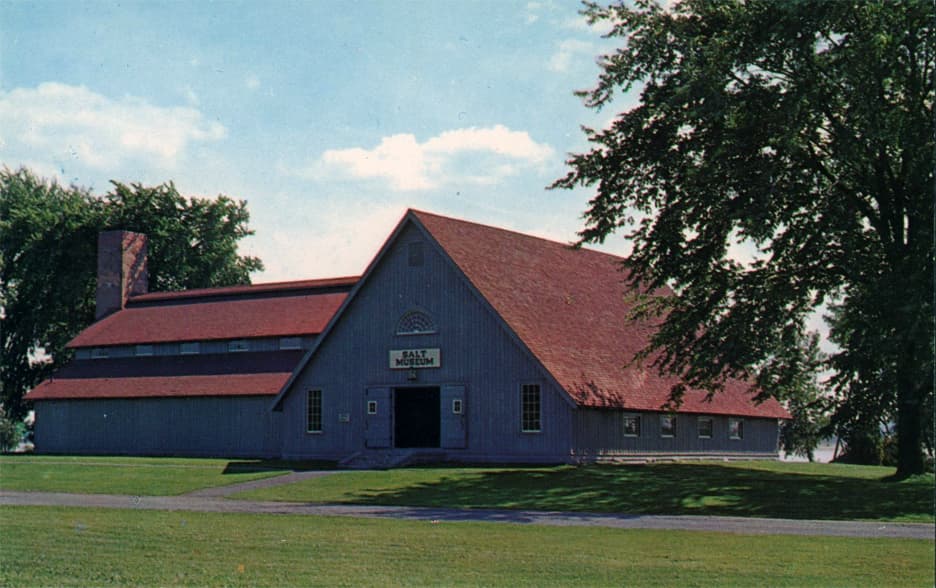
The most useful first stop for a family with limited time is the Salt Museum at Onondaga Lake Park. The county describes it as the place to discover the industry that created Syracuse and supplied the nation with salt, and the building sits on an original boiling block where brine was turned into salt. That is the kind of local history a textbook can mention in a paragraph; standing on the site itself makes the geography of industry easier to grasp.
Syracuse’s salt trade was not a side note. It was a major industry for more than 100 years, and one historical source places its peak in 1862. The city earned its “Salt City” nickname from 19th- and early-20th-century production near Onondaga Lake, then saw output fade by 1900 as competition increased and concentrated brine in and around the lake was exhausted. For visitors, the lesson is bigger than old machinery: the lakefront is where a regional economy rose, peaked and changed.
The Salt Museum is also practical for summer planning because school and group tours are available by appointment. That makes it useful for families, camps and multigenerational outings that want something more structured than a casual park walk.
Pair salt history with the Haudenosaunee story
A short drive or walk through the same park system can shift the focus from industry to Indigenous history at Skä•noñh Center - Great Law of Peace Center. The center is a Haudenosaunee cultural center focused on telling the story of the native peoples of central New York through the perspective of the Onondaga Nation. The name Skä•noñh means peace and wellness in Onondaga, which fits the center’s broader emphasis on culture, values and continuity rather than a narrow museum display.
The Onondaga Nation describes the Haudenosaunee as an alliance of native nations united for hundreds of years. That gives the visit a different kind of context than a standard local-history stop: this is not only about the past, but also about a living political and cultural tradition that still shapes central New York. The center’s grand opening on Nov. 20-21, 2015, tied to Native American Heritage Month, marked the public arrival of a space that centers Indigenous voice on the Onondaga Lake shoreline.
This stop is easy to overlook because it is not tucked into a downtown museum district. It sits within a park visit, where people may come for a trail or waterfront view and miss the fact that one of the county’s clearest history lessons is nearby. School and group tours are available by appointment, which makes the center especially useful for field trips that want local relevance without a long drive.
See how the park itself became a piece of history
The Griffin Visitor Center is the best stop for understanding that Onondaga Lake Park did not just happen. Its exhibits explain Joseph A. Griffin’s 1928 foresight and his role in the creation of the park, tracing how recreation and local history developed along the trail corridor. Located in Wegmans Landing in the Liverpool section of Onondaga Lake Park, it turns what looks like a routine park stop into a lesson in planning, preservation and civic ambition.
Joseph A. Griffin mattered beyond the visitor center’s name. A New York Times obituary identified him as a Syracuse business leader and hotel owner who died in 1937 at age 75, and Griffin Field opened in 1933 and was named for him. That history helps explain why the park corridor feels layered rather than linear: one person’s influence helped shape not just a park facility but a broader public landscape.
This stop is especially worthwhile if the goal is to understand how Onondaga County repurposed shoreline land for public use. It gives families something they can see immediately in the park trails, while also showing the long timeline behind the green space they are using that day.
Don’t skip the canal-era details and the resort shoreline
Mud Lock is one of the smallest and most concrete history stops in the county system, which is exactly why it works. Near Wegmans Good Dog Park on Route 370, it marks a place that allowed passage to the Oswego Canal and once stood as the site of the Mud Lock Tavern. In a few words, it opens the door to the canal era that connected Onondaga County to trade, travel and waterway infrastructure.
Long Branch Park offers a different lesson from the same shoreline. The county describes it as a destination amusement park during the resort era of the late 1800s and early 20th century, and it was the original home of the restored carousel now at Destiny USA. That means the lakefront was once not just industrial or municipal land, but part of a leisure economy built around excursions, entertainment and summer use.
Local library materials on Onondaga Lake amusement parks and resorts reinforce that point: the shoreline has long been a place where people gathered to be entertained. Today, that history is easy to miss because the modern park landscape feels ordinary. Long Branch shows how quickly a landscape can shift from resort destination to public park while still carrying traces of its past.
Finish inland at Highland Forest
If there is time for one last stop away from the lake, Highland Forest’s Pioneer Museum adds a quieter but worthwhile layer. Operated by the Fabius Historical Society, the museum offers photographs and artifacts that help visitors discover the history of Highland Forest and Fabius. Admission is free, and it is open June through August on Saturdays and Sundays from 1 to 4 p.m.
That schedule makes it one of the most budget-friendly history stops in the county, especially for summer planning. The museum is not large, but its value is in specificity: it connects the forest landscape to nearby community history rather than treating the park as a generic place to hike. For families deciding where one afternoon is enough and where it is not, this is the kind of stop that rewards curiosity without requiring a full day.
A sensible route for a single afternoon is simple: begin at the Salt Museum for Syracuse’s industrial past, move to Skä•noñh for Haudenosaunee history, stop at Griffin Visitor Center for the story of the park itself, and add Mud Lock or Long Branch Park for canal and resort-era context. If the day starts inland instead of at the lakefront, Highland Forest’s Pioneer Museum can serve as the opening or closing stop, especially when free admission and weekend summer hours make the visit easy to fit in.
What ties these places together is not nostalgia but public value. Onondaga County’s parks are doing double duty as recreation space and open-air classroom, and the best of them explain how the county came to be while costing little or nothing to enter.
This article was produced by Prism’s automated news system from verified source data, official records, and press releases, then run through automated quality and moderation checks before publishing. The system is built and supervised by the people who set the standards it runs under. Read our full AI policy.
Did this article answer your question?