ORES may override local laws for giant wind turbines in Onondaga County
ORES could set statewide rules over up to 27 turbines spanning 6,600 acres in Tully, LaFayette and Otisco, as residents warn of landslides, noise and lower home values.
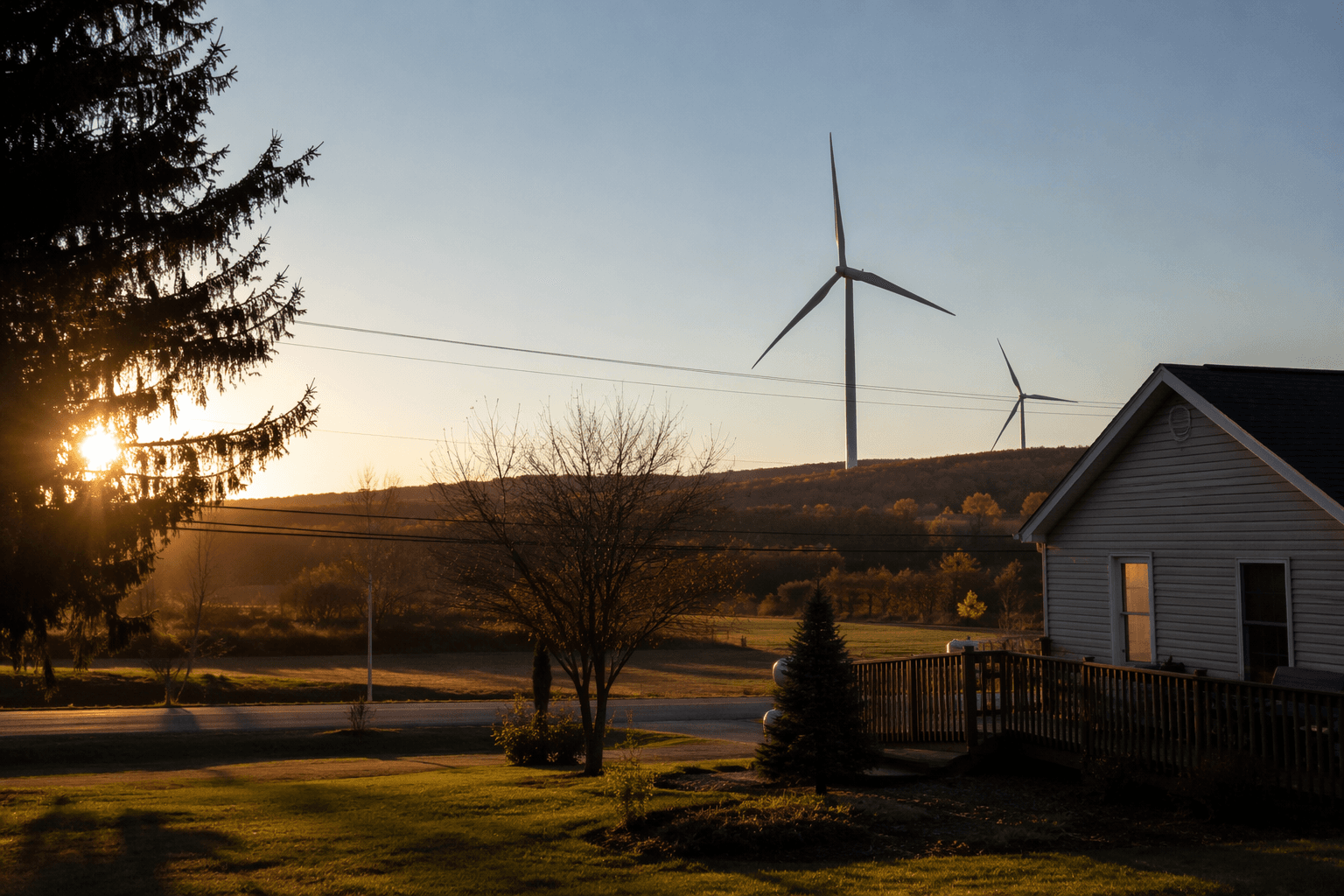
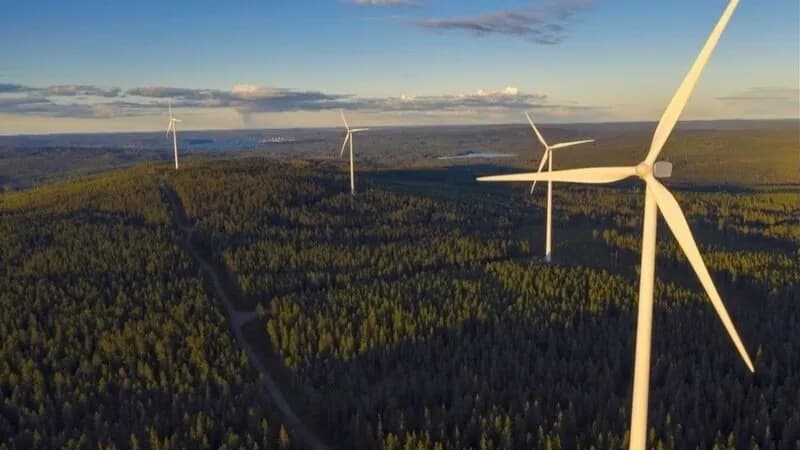
The state Office of Renewable Energy Siting is poised to override local wind rules in Tully, LaFayette and Otisco for Maple Harvest, a proposed project that could place 24 to 27 giant turbines across about 6,600 acres. Neighbors have centered their objections on landslide risk, noise at nearby homes and the chance that property values would drop.
The company erected meteorological towers in Otisco in late 2023. Data collection is ongoing, and Maple Harvest plans to finish studies, hold more community meetings and submit a permit application in 2026. In its project FAQ, Maple Harvest says ORES has established minimum setbacks for wind projects and regulates turbine sound, including a 55 dBA limit across any non-participating residence.
A July 2024 evaluation by the LaFayette Advisory Conservation Commission called the proposal a Palmer Capital concept. Residents in homes scattered through the southern end of the county have raised questions about how close towers could come to houses, what the noise would sound like at night and whether the market value of nearby property would suffer.
The company says turbine locations have been shifted as new studies and ordinances are considered. Its FAQ directs any host community benefit to residential customers in Otisco, Tully and LaFayette.
Local opposition has already organized through Southern Hills Wind Watch and the online petition Stop Maple Harvest Wind Turbine Project in LaFayette, Otisco & Tully, NY.
This article was produced by Prism’s automated news system from verified source data, official records, and press releases, then run through automated quality and moderation checks before publishing. The system is built and supervised by the people who set the standards it runs under. Read our full AI policy.
Did this article answer your question?