Syracuse Council weighs ban on biometric surveillance in stores
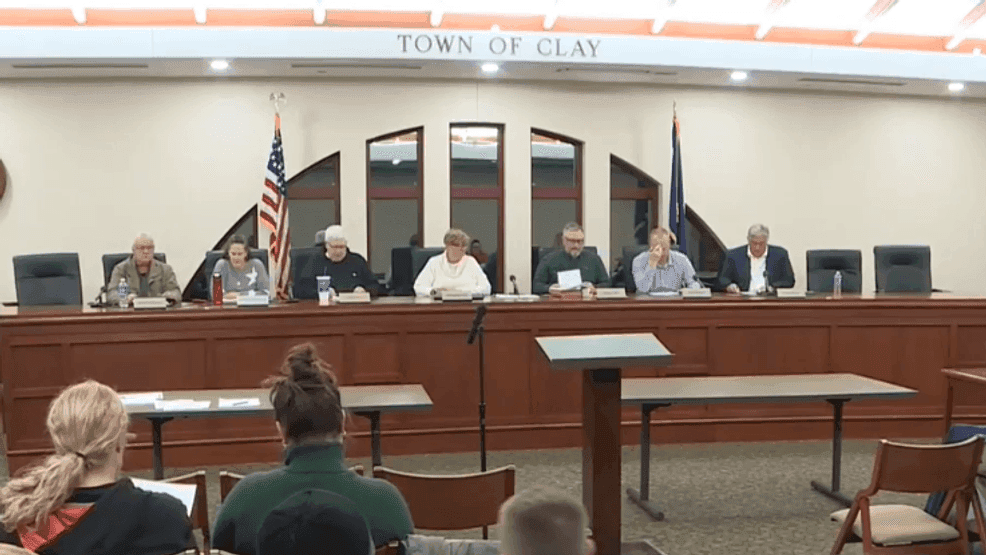
Syracuse councilors weighed a ban that would block facial recognition and other biometric tracking in city stores, after Erie County became the first in New York to do it.

A shopper walking into a Syracuse store could soon face a different set of privacy rules if the Common Council adopts a ban on biometric surveillance systems. The proposal would stop owners and operators of places of public accommodation within the city from using technology that identifies people through face geometry, fingerprints, voiceprints, iris scans or similar markers.
The issue sharpened after Wegmans disclosed that it was using facial recognition cameras at select stores in New York City to help address misconduct and retail theft. That disclosure pushed questions from shoppers and helped accelerate legislative action in Syracuse, Onondaga County and Albany, where local officials are trying to decide how much biometric surveillance belongs in everyday retail life.
Syracuse’s measure is sponsored by Councilors Dr. Chol Majok, Corey J. Williams and Jimmy Monto. Williams and Monto have argued that biometric systems pose special risks because businesses can keep, share or misuse sensitive data with little public oversight, and because a leaked faceprint or fingerprint cannot be changed the way a password can. Monto has also warned that a misidentification could send police after the wrong person.
The city proposal follows Erie County’s action on biometric privacy. On Thursday, April 30, Erie County lawmakers passed the Biometrics Transparency and Privacy Act by a 7-3 vote, making Erie County the first county in New York to ban the commercial collection of biometric data. That law bars businesses from collecting, storing, procuring, using, selling or otherwise monetizing biometric identifier information, while exempting government agencies and law enforcement acting in their official duties. Security cameras themselves were not the target.
Onondaga County is taking a different path. The county legislature has been considering a disclosure law, the Biometric Data Collection Customer Transparency Law, that would require commercial establishments to post clear and conspicuous signs near all entrances if they collect, retain, convert, store, use or share biometric identifier information. The draft defines that information broadly, including retina and iris scans, fingerprints, voiceprints, hand geometry and face geometry. County legislators discussed the measure in the Public Safety Committee on February 17, when Deputy County Attorney Ryan Ockenden presented it.

The Syracuse debate also sits alongside state action. Senate Bill S8004, sponsored by Sen. Rachel May, would prohibit biometric surveillance systems in places of public accommodation statewide and block agreements that allow third parties to use them. May’s district includes most of Syracuse, putting the city squarely inside the region now pressuring Albany to draw firmer lines around facial recognition in stores.
This article was produced by Prism’s automated news system from verified source data, official records, and press releases, then run through automated quality and moderation checks before publishing. The system is built and supervised by the people who set the standards it runs under. Read our full AI policy.
Did this article answer your question?