Syracuse program teaches gardening to help families stretch food budgets
Hands-on gardening classes and a downtown market are giving Syracuse families a way to trim produce costs. The harder test is whether renters and transit riders can use them too.
With grocery bills still squeezing Syracuse households, a new local food-access push is trying to make gardening part of the weekly budget conversation, not just a feel-good pastime. The Downtown Committee of Syracuse and Excellus BlueCross BlueShield are tied to the Harvesting Change Workshop Series, which is being pitched as hands-on gardening help for Central New Yorkers, while the Downtown Syracuse Farmers Market gives residents a place to turn that knowledge into food they can actually buy and use.
How the workshop series is set up
The Harvesting Change series is built around monthly 90-minute sessions, with dates and locations still to be announced. The June 22 WSYR segment brought Chuck McFadden, Charles Madlock and Lucy Spena on air to explain the effort, underscoring that this is being framed as a community partnership rather than a one-off class. Nourish Syracuse describes the program as a way to educate, connect and empower Syracuse residents through urban agriculture and the healing principles of Food as Medicine, with sessions that mix learning, storytelling and community care.
The content is practical. Each workshop is designed to include a Food as Medicine presentation, urban agriculture guidance, open discussion, giveaways and volunteer opportunities, with the stated goal of building a network of residents who can grow more food and advocate for better policy and funding around urban agriculture. That matters in Syracuse because the food problem is not only about nutrition. It is also about whether neighborhoods have the land, tools, support and social capital to produce food without paying retail prices for every tomato and herb.
Where the savings show up
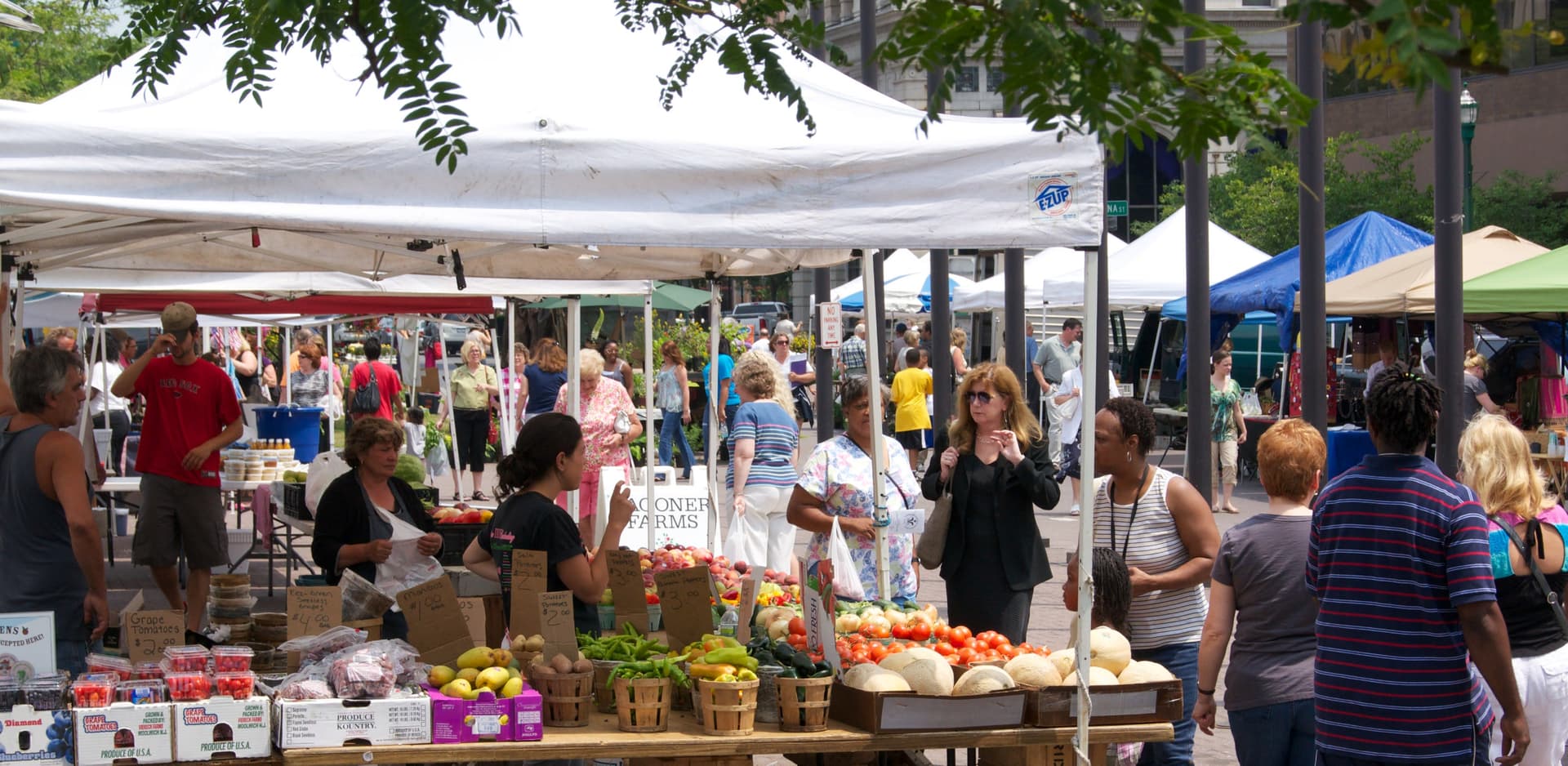
The most immediate savings angle is the Downtown Syracuse Farmers Market in Clinton Square. The market runs every Tuesday from June 9 through October 13, from 8 a.m. to 2 p.m., and the Downtown Committee says it is holding the market rain or shine. It is also a long-running institution, now in its 54th season, and this year’s market features local produce, seasonal vegetables, fruits, baked goods, flowers, plants and more, plus lunchtime music from 11:30 a.m. to 1:30 p.m.
The clearest dollar-for-dollar help comes through Double Up Food Bucks NYS. At the market information booth, shoppers can use a SNAP card and, for every $1 deducted from the SNAP account, receive $2 in tokens for fresh fruits and vegetables. That means a family that puts $10 of SNAP into the program gets $20 to spend on produce at the market, effectively doubling the buying power of those benefits for the items that usually strain a budget fastest. On Tuesdays, there is also free on-street parking along South Clinton Street from West Washington to Genesee, which removes one more cost for drivers heading downtown.
Who can participate, and who may still be left out
The gardening piece is not limited to people with a backyard. USDA guidance says SNAP dollars can be used to buy seeds, and University of Maryland Extension notes that vegetables can be grown in containers on balconies, decks, driveways, sidewalks and window boxes. That makes the program relevant to renters and apartment dwellers, not just homeowners, but it also shows the limits of a garden-first solution: warm-season crops still need 6 to 8 hours of direct sun, and easy access to water is crucial.
Cornell Cooperative Extension of Onondaga County is one of the most useful local anchors for families who want to go beyond a single class. The office says it offers free or low-cost gardening classes and tours all year long, along with help on soils, plant selection, composting and pest management. It also points residents to community garden options in Syracuse and Onondaga County, including the Southwest Community Farm on Bellevue Avenue in the Southwest neighborhood, and to Syracuse Grows, which serves as a clearinghouse for garden projects in the city.
That local support matters because the barriers are still real. Cornell’s food-gardening resources say growing your own food can save substantial amounts of money over groceries or farmers’ markets, but the same guidance also encourages residents to start small and, if they do not have space, to consider renting a plot in a community garden. For families without a yard, that is often the difference between participation and exclusion.
Why the program matters beyond the good-news framing
The broader food-access problem in Syracuse has not disappeared. On the south side, neighbors have gone without a full-service grocery store at Valley Plaza since Tops closed in 2018, and local advocates have described the neighborhood as a food desert where many residents, including families without cars, have few to zero options for healthy and affordable food. That is the reality the gardening workshops and the downtown market are trying to address, even if they cannot solve every structural gap on their own.
What makes this effort more than a civic feel-good story is the combination of tools. A weekly market in the center of the city, a SNAP match that doubles produce dollars, and hands-on instruction that can move people from buying food to growing some of it themselves create a path that is practical for some households and still incomplete for others. The next test is not whether Syracuse can talk about food access, but whether families who rent, live far from land, or rely on transit can use these programs without extra costs or extra obstacles.
This article was produced by Prism’s automated news system from verified source data, official records, and press releases, then run through automated quality and moderation checks before publishing. The system is built and supervised by the people who set the standards it runs under. Read our full AI policy.
Did this article answer your question?