Upstate expert says Central New Yorkers need not fear hantavirus outbreak
Central New Yorkers are not the exposure group in the Hondius hantavirus cluster. SUNY Upstate’s Dr. Stephen Thomas says the risk here is low unless someone was on the ship or had direct contact.
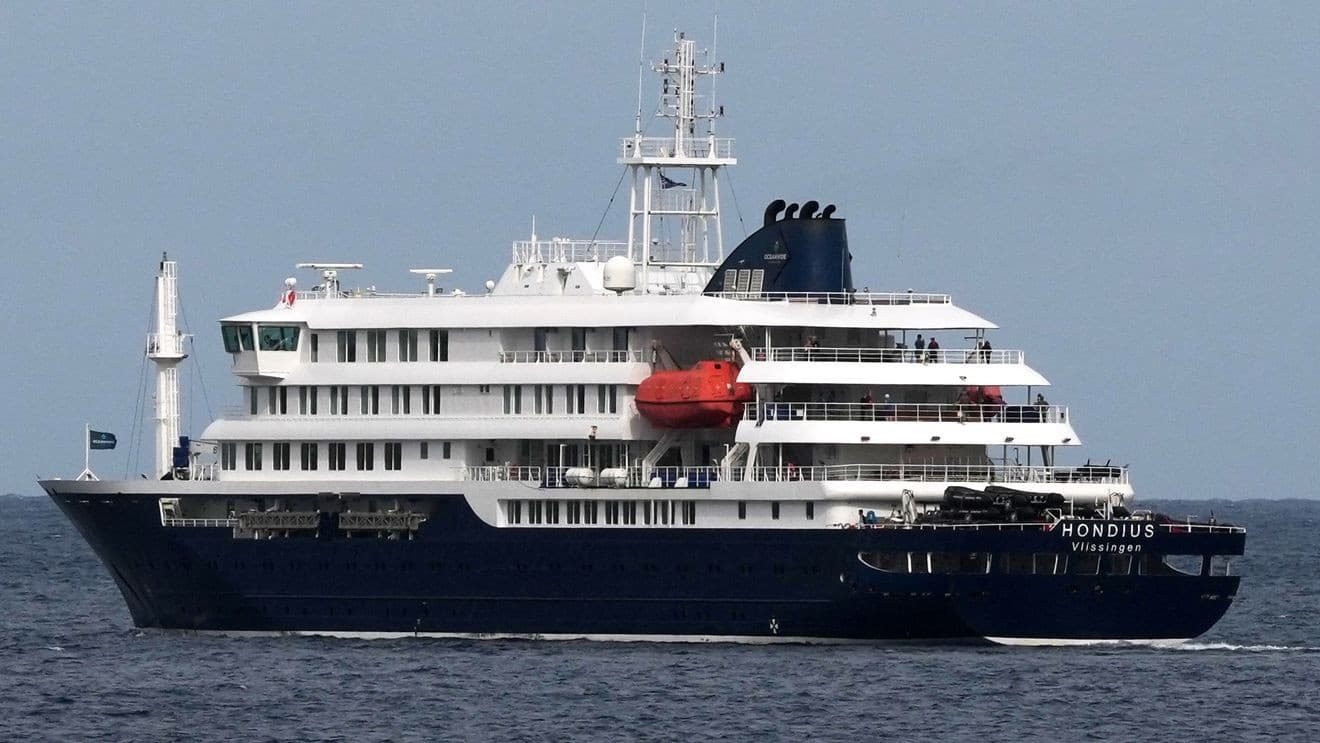
Central New Yorkers do not need to treat the hantavirus cluster aboard the M/V Hondius as a local emergency. Dr. Stephen Thomas, who leads the Upstate Global Health Institute at SUNY Upstate Medical University, said the people who should be watching closely are the passengers and close contacts tied directly to the cruise ship, not families in Onondaga County going about daily life.
That message matters because the outbreak has generated alarming headlines far beyond the actual exposure zone. The Centers for Disease Control and Prevention said on May 8 that the risk to the American public remained extremely low, even as it deployed epidemiologists and medical professionals to the Canary Islands and coordinated monitoring for exposed travelers. The outbreak was linked to Andes virus, a hantavirus strain that can cause hantavirus pulmonary syndrome, a severe and potentially deadly lung disease.
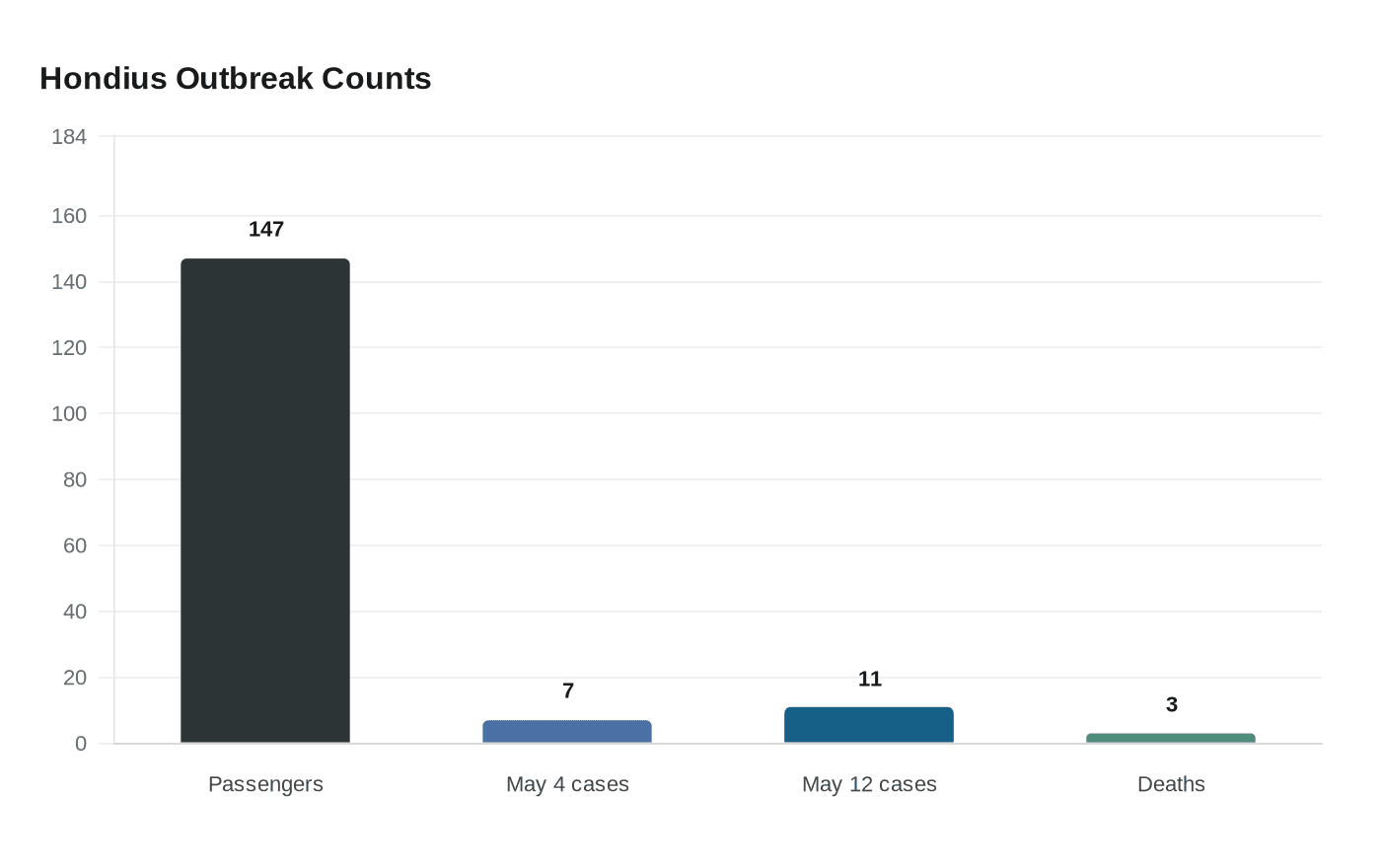
The World Health Organization said the ship carried 147 passengers and crew. As of May 4, it reported seven cases, including two laboratory-confirmed infections, five suspected cases, three deaths and one critically ill patient. By May 12, reports put the total at 11 confirmed and probable cases, while U.S. and international health officials continued tracing contacts and tracking exposed passengers.
Public health officials also stressed how limited the person-to-person risk is. The New York City Department of Health and Mental Hygiene says Andes virus is the only hantavirus strain known to spread between people, and even then transmission is rare and usually requires prolonged, close contact. New York City health officials say there have been no reported hantavirus cases in the city since at least 1995, a reminder of how uncommon the infection is in the Northeast.
New York State health officials said three state residents aboard the ship arrived at Offutt Air Force Base in Nebraska on May 11 and were expected to undergo a 42-day monitoring period. State officials later said those three New Yorkers had not tested positive for hantavirus. CDC said exposed Americans were routed to the National Quarantine Center at the University of Nebraska in Omaha, with high-containment care also available at the Nebraska Biocontainment Unit and Emory University Hospital in Atlanta.
The broader pattern helps explain why local doctors are urging calm. New York State says human hantavirus infections were first identified in the Southwest in 1993, and most U.S. cases have occurred west of the Mississippi River, though sporadic eastern cases, including in New York, have occurred. New York City health officials say fewer than 30 hantavirus cases are reported nationally each year. For Onondaga County, the practical lesson is simple: the danger is tied to a narrow set of exposed travelers, while ordinary life in Syracuse and across Central New York is not the issue.
This article was produced by Prism’s automated news system from verified source data, official records, and press releases, then run through automated quality and moderation checks before publishing. The system is built and supervised by the people who set the standards it runs under. Read our full AI policy.
Did this article answer your question?