Wildfire smoke cancels outdoor events across Onondaga County
Smoke from Canadian wildfires blanketed Central New York, and Syracuse canceled all outdoor pool and park activities as state officials warned of hazy skies and pollution spikes.
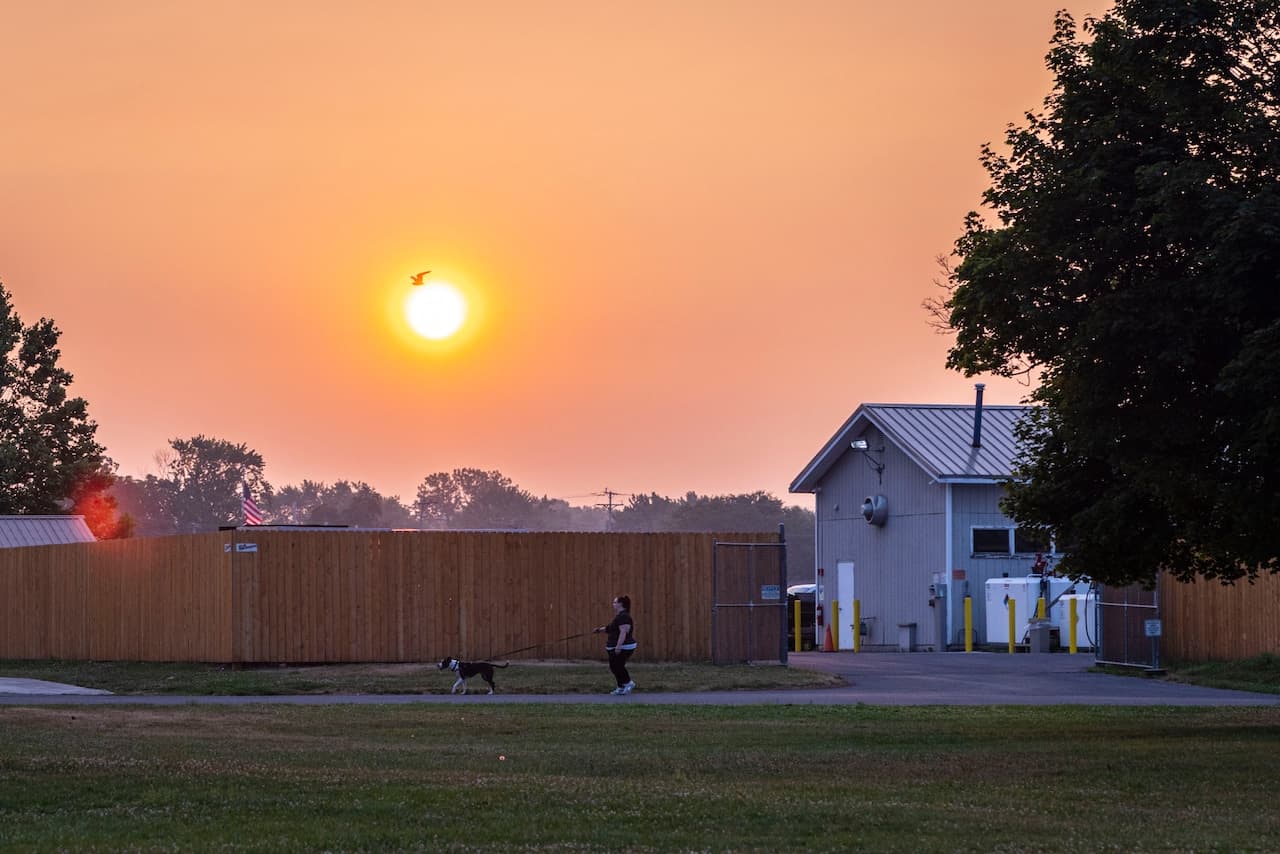
New York state issued an air quality health advisory for Central New York on July 20 as smoke from wildfires pushed unhealthy air across Onondaga County and forced Syracuse to cancel all outdoor activities at pools and parks. The advisory covered Eastern Lake Ontario, Central New York and Western New York, and state officials warned that New Yorkers could see visible smoke, hazy skies and spikes in smoke-related pollution.
The New York State Department of Environmental Conservation tied the alert to the statewide impact of heat and smoke from wildfires. The smoke moving in from Canadian wildfires was expected to shift away from Upstate New York on Friday, but local officials were still urging residents to limit exposure while conditions remained poor.
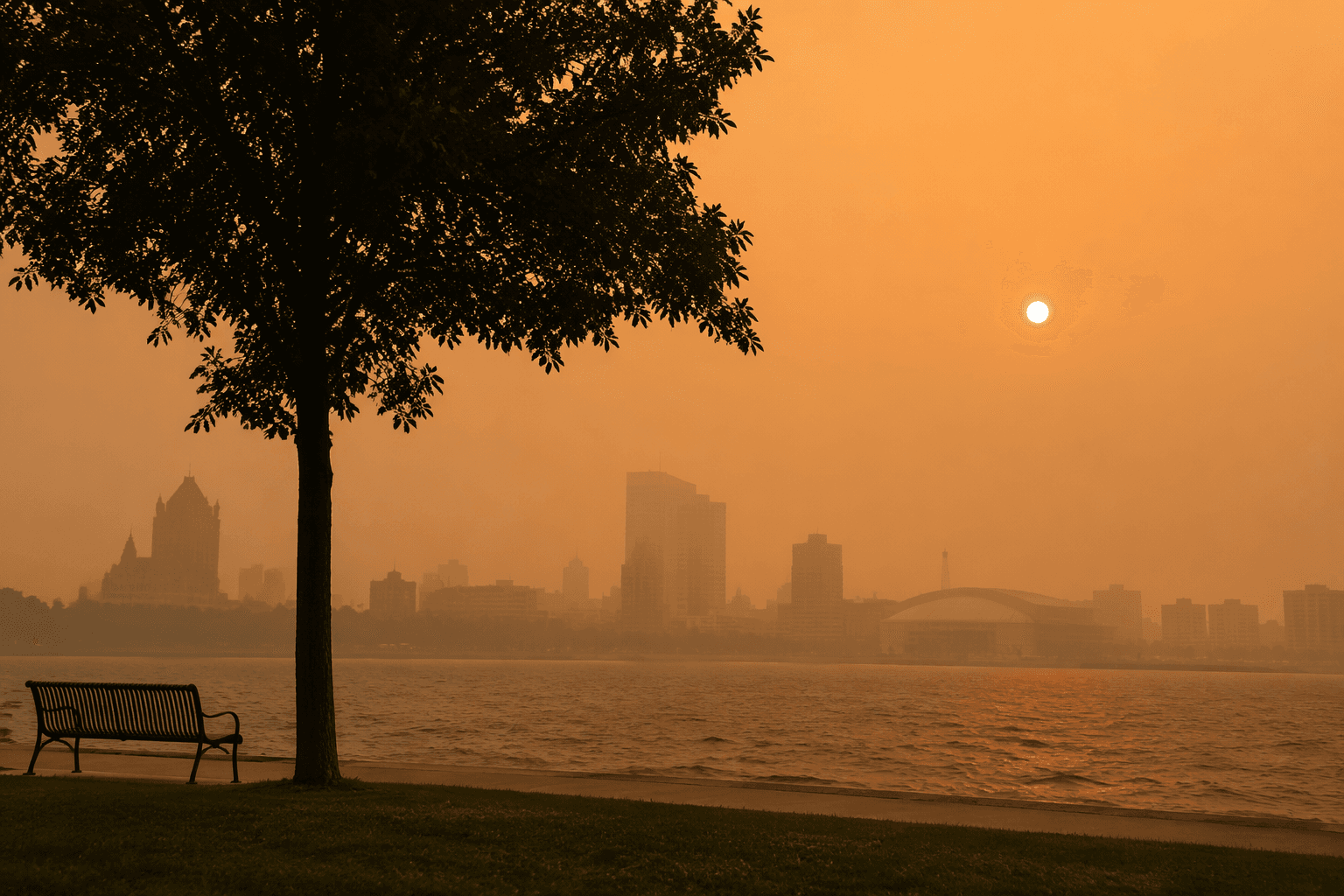
Onondaga County Health Department has posted a public health page titled Staying Healthy During Poor Air Quality as the smoke lingers over Central New York. The county has said air quality is becoming a bigger concern in the region, and the advisory gives residents a reason to pay close attention to children, older adults and people with asthma, who can be hit hardest when smoke hangs in the air.
The Syracuse shutdown reaches some of the most visible parts of daily summer life in the city, from neighborhood parks to public pools. Cancelling those outdoor activities also shows how quickly wildfire smoke can change decisions about recreation in Onondaga County, where officials are watching conditions closely instead of waiting for the haze to worsen.
Residents who can stay inside, keep outdoor exertion short and avoid breathing the smoke for long stretches are the ones most likely to get through the advisory without feeling it. For people who already manage asthma or other breathing problems, and for families with young children or older adults, the safest move today is to treat the air itself as the hazard until the smoke clears.
This article was produced by Prism’s automated news system from verified source data, official records, and press releases, then run through automated quality and moderation checks before publishing. The system is built and supervised by the people who set the standards it runs under. Read our full AI policy.
Did this article answer your question?