Syracuse hazmat crews investigate apartment complex after respiratory complaints
Hazmat crews reached a Syracuse apartment complex after tenants reported upper respiratory irritation, and city officials were still investigating the reported chemical odor.
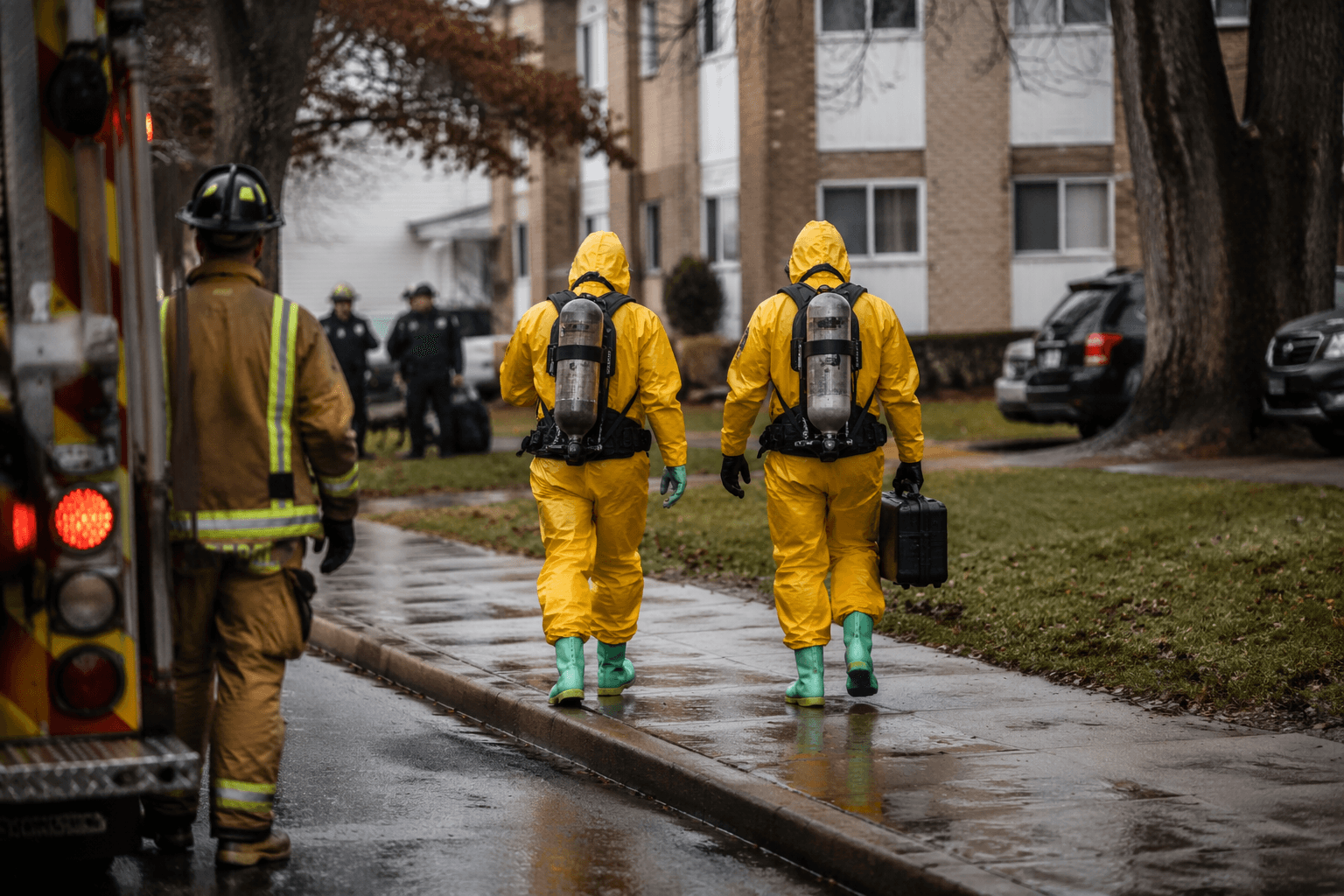
Syracuse Fire Department hazmat crews responded to an apartment complex after tenants reported upper respiratory irritation, and the incident remained under investigation. Photos from the scene were shared locally, and a City of Syracuse page dated July 15 was labeled Nob Hill Fire Investigation Update.
The response matters in a city that has already seen apartment odor calls turn into evacuation and re-entry decisions. In one Nob Hill hazmat incident, tenants were evacuated after a chemical odor was reported and later allowed back in. In another Syracuse Fire Department hazmat response, officials said they identified the source of the odor and removed the hazard in about 30 minutes.
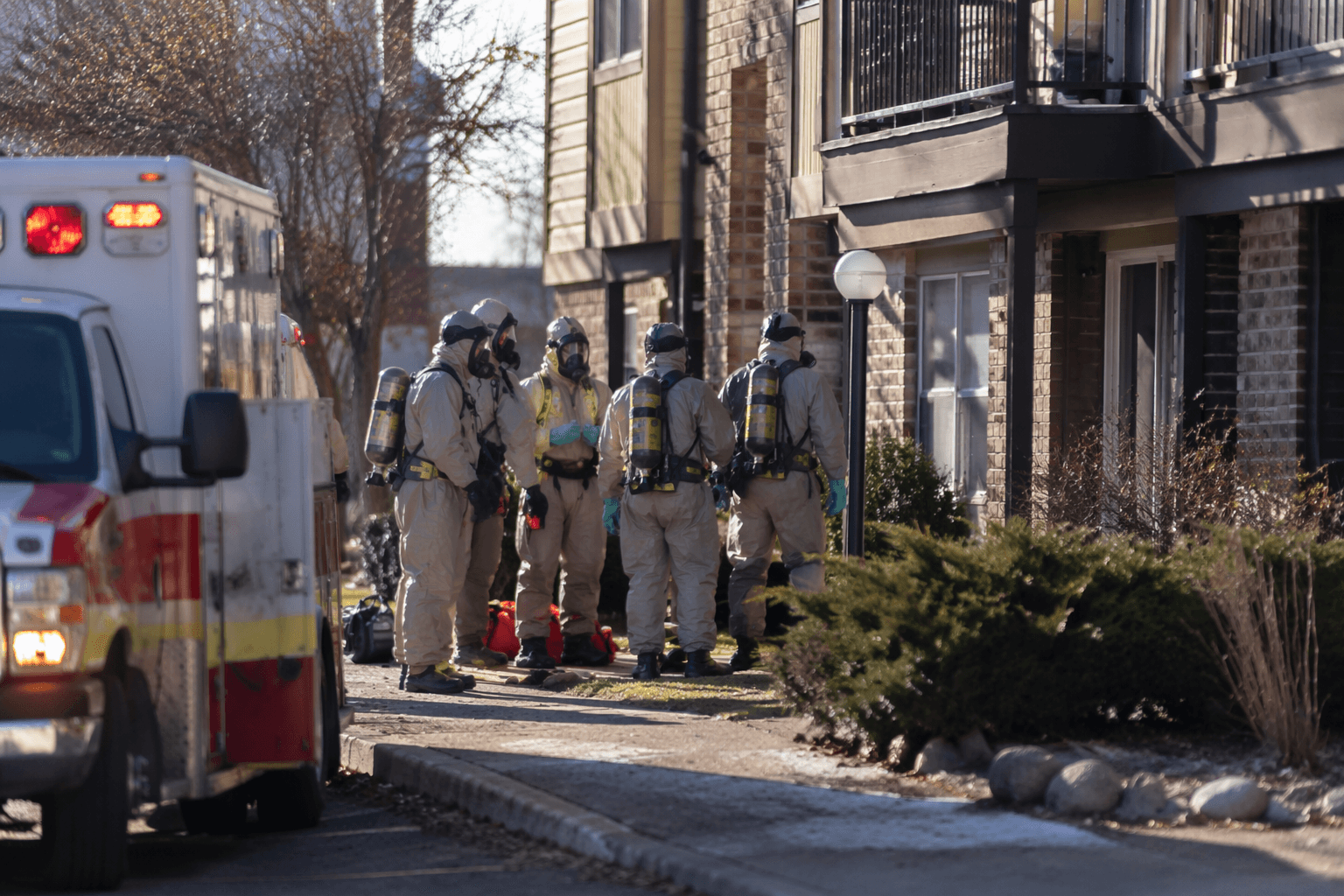
Syracuse has also seen apartment complaints that started with smells and quickly became health concerns. At Chestnut Crossing Apartments off James Street in 2021, residents reported a strong chemical odor, and some complained of chest pains and difficulty breathing. Those kinds of symptoms are why hazmat calls are treated as more than a nuisance complaint, especially in multi-unit buildings where an odor can spread through hallways, vents and shared spaces.
The city update and the local scene photos point to the same basic question tenants care about first: whether the building is safe to re-enter. In the comparable Nob Hill response, the building was cleared after crews worked through the odor complaint, but officials have not yet publicly identified what was behind the July 15 irritation reports in this incident.
Anyone nearby who develops coughing, throat irritation, chest tightness or trouble breathing after smelling something unusual should leave the area, get to fresh air and call 911. Federal chemical-emergency guidance also says Poison Control can be reached at 800-222-1222, and residents should not wait at home if the symptoms are getting worse.
This article was produced by Prism’s automated news system from verified source data, official records, and press releases, then run through automated quality and moderation checks before publishing. The system is built and supervised by the people who set the standards it runs under. Read our full AI policy.
Did this article answer your question?