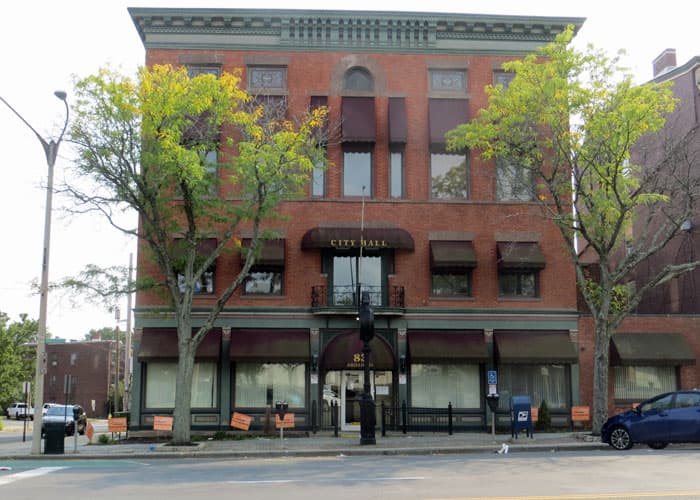
Neuhaus Calls Orange County State Roads Deplorable, Demands Route 17 Overhaul
Neuhaus called state roads in Orange County "deplorable" and demanded a Route 17 overhaul, saying engineering data puts many routes at just 55% condition.

Orange County Executive Steve Neuhaus took direct aim at the state of New York on Wednesday, publicly declaring that state-owned roads running through Orange County are in "deplorable" condition and calling for a complete overhaul of Route 17, one of the county's most heavily traveled corridors.
Speaking in Goshen, Neuhaus cited engineering assessments rating many state roads in the county at roughly 55 percent of acceptable condition, a figure he presented as evidence that Albany has allowed infrastructure to deteriorate under its own jurisdiction. Route 17, which carries commercial and commuter traffic through much of the county's interior, drew his sharpest criticism.
Neuhaus was unsparing in assigning responsibility. "The county as a whole is very disappointed with our state representatives because they blame everybody else but themselves," he said, making clear that the roads in question fall under state authority and therefore state funding obligations.
The county executive's framing was deliberate: state highways like Route 17 are maintained by state agencies, not county government, and the funding and permitting decisions that determine when repairs happen rest with the state legislature and the Department of Transportation. By making that distinction publicly and forcefully, Neuhaus shifted political pressure toward Albany at a moment when both county and state governments are deep in project-planning and budget cycles.
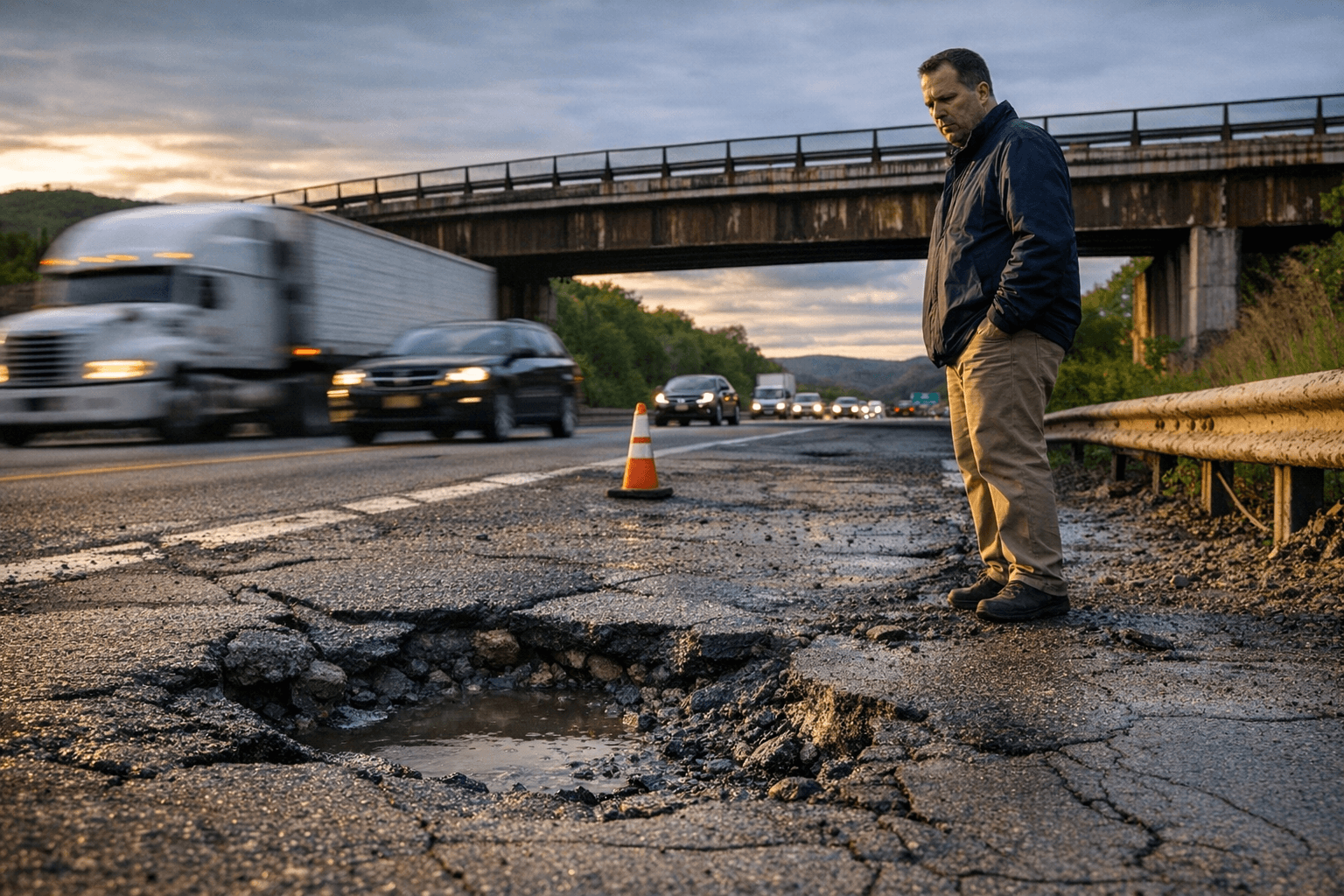
The consequences of continued inaction are not abstract. Deteriorating road surfaces raise vehicle maintenance costs, worsen traffic flow, and compound hazards during winter months when Orange County's roads are already under stress. For businesses that rely on Route 17 as a commercial artery, deferred repairs carry real economic weight.
Neuhaus' public admonishment sets up a likely fight on multiple fronts: formal county requests to state transportation authorities for capital project commitments, possible legislative letters or public hearings to sustain pressure, and the prospect of state lawmakers offering competing explanations for why repairs have stalled. Whether Albany responds with action or deflection, Neuhaus has made clear the county will not stay quiet about who holds the keys to fixing them.
This article was produced by Prism’s automated news system from verified source data, official records, and press releases, then run through automated quality and moderation checks before publishing. The system is built and supervised by the people who set the standards it runs under. Read our full AI policy.
Know something we missed? Have a correction or additional information?
Submit a Tip