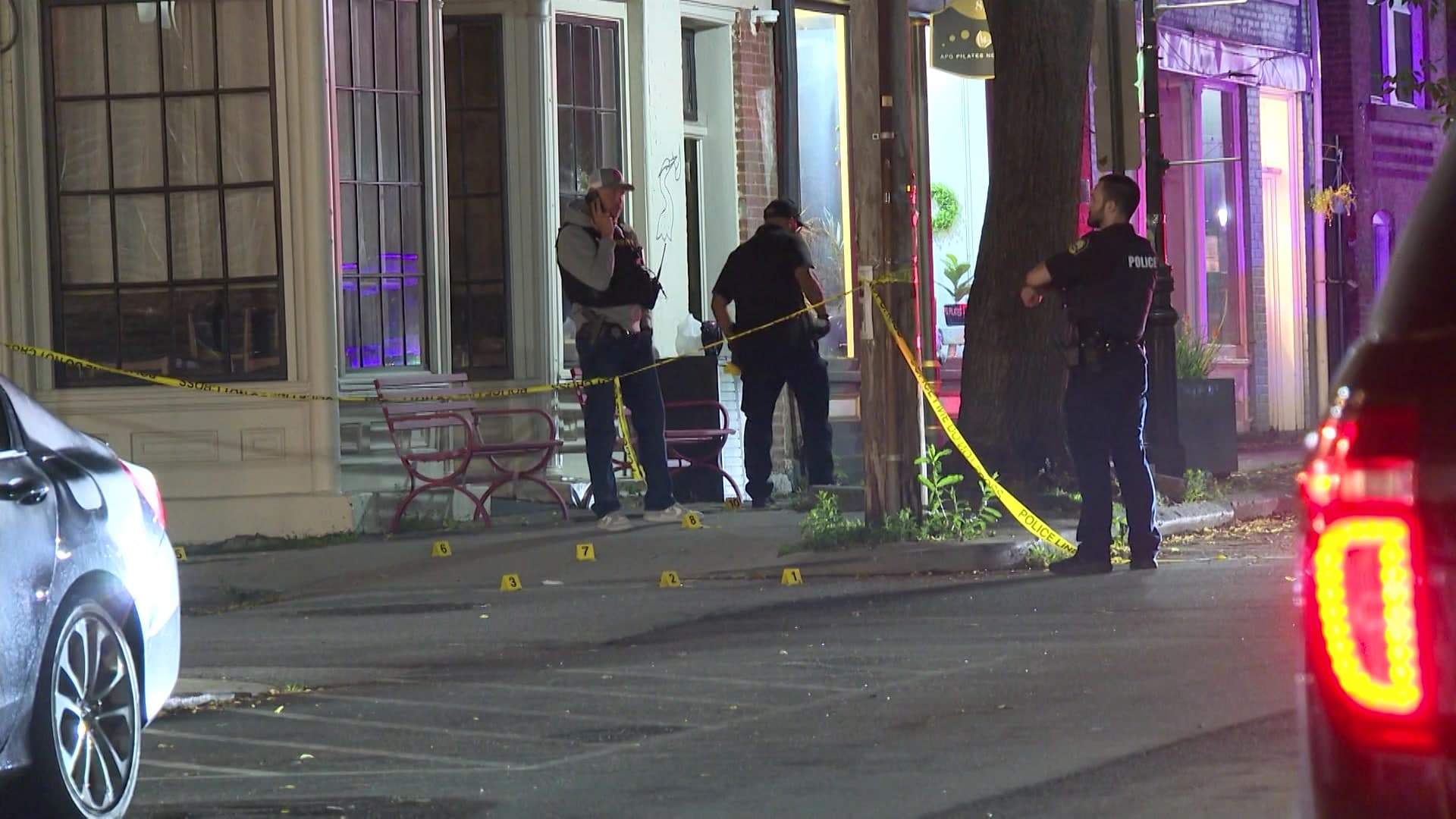
New York Cracks Down on Obscured License Plates, Ghost Cars Statewide
Ghost plates cost the MTA $56 million in lost toll revenue last year; New York is now fining drivers $100–$500 for obscured plates, with repeat offenders risking a 90-day registration suspension.

New York state and local authorities have ramped up coordinated enforcement against drivers using obscured, altered, or fake license plates, targeting a problem that drained roughly $56 million in toll revenue from the MTA in a single year and left millions more in traffic fines uncollected.
The financial toll tells the story. A New York City Council investigation found that vehicles with mismatched or unreadable "ghost" plates owed an average of $667.68 in fines compared to $268.08 for vehicles with legitimate plates, yet ghost-plate drivers paid less than 20 percent of what they owed. When plates cannot be read by toll cameras, school-zone speed cameras, or red-light systems, the violation simply disappears, and so does the driver.
Under state law reinforced by recent DMV consumer alerts, fines for obscuring a license plate now range from $100 to $500. Drivers convicted three or more times within five years face a 90-day vehicle registration suspension and are required to surrender any cover or material used to obstruct the plate. Selling or distributing those materials is also now illegal.
What counts as a violation is broader than many drivers realize. Aftermarket plastic covers that distort alphanumeric characters, reflective sprays or adhesive films, temporary paper covers sold online, excessive dirt that renders digits illegible, and trailer hitches that block a rear plate have all resulted in citations. The plate does not need to be intentionally masked to trigger a fine; if a camera or officer cannot read it, the violation stands.
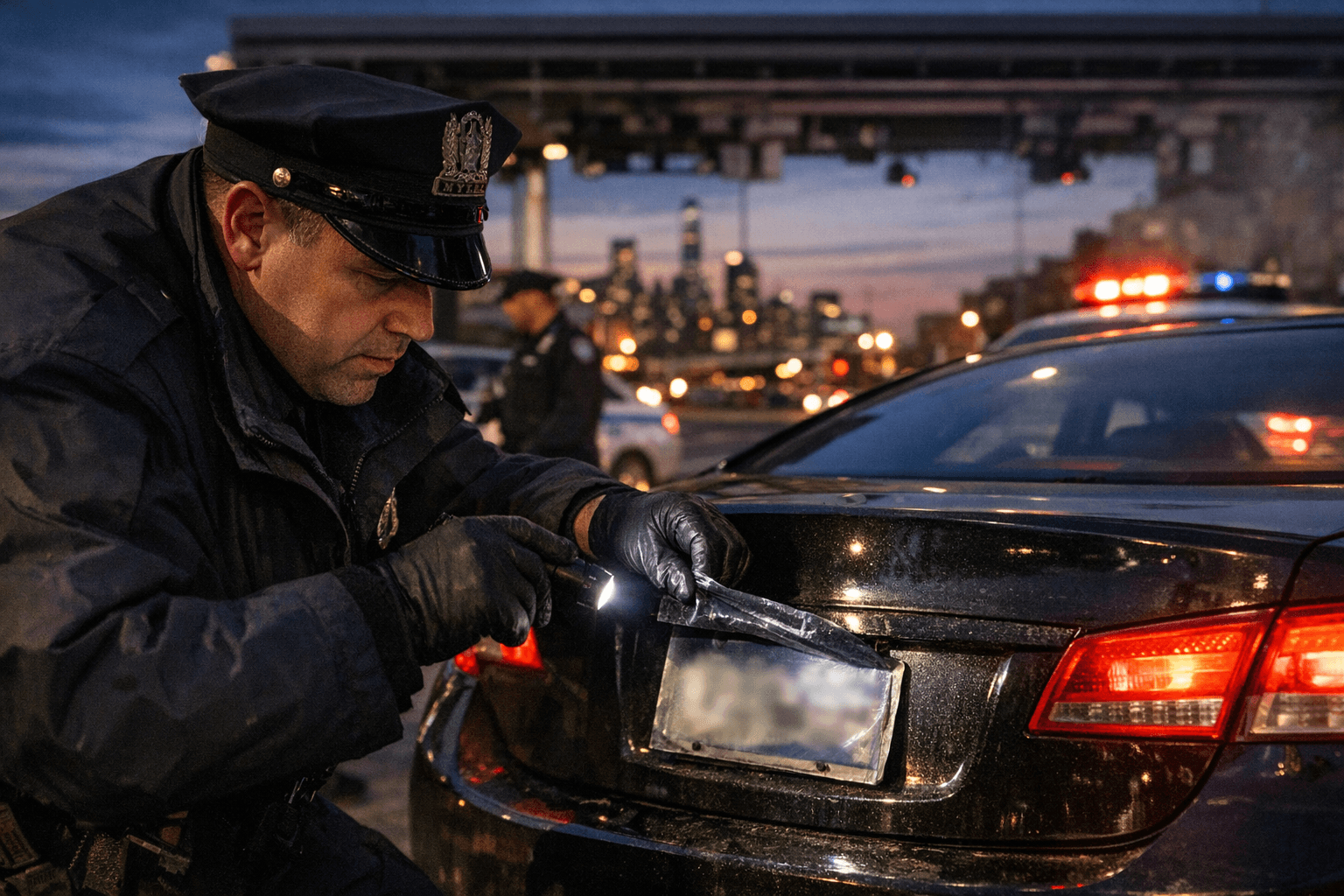
For Orange County commuters, the stakes are direct. Drivers crossing the Mario Cuomo Bridge, using the New York State Thruway, or passing through any automated camera zone in the Hudson Valley are subject to plate-capture systems that now trigger enforcement referrals. Local police departments have also emphasized that clear plate readability is a foundational tool in hit-and-run investigations and neighborhood crime response, where a partial or unreadable plate can end a case before it begins.
The fixes are straightforward: remove any aftermarket cover or film, reposition plates obscured by a hitch receiver, clean plates regularly so characters are legible, and confirm that registration stickers are mounted where required by law. For most Orange County drivers, compliance takes five minutes in the driveway, not a trip to the DMV.
This article was produced by Prism’s automated news system from verified source data, official records, and press releases, then run through automated quality and moderation checks before publishing. The system is built and supervised by the people who set the standards it runs under. Read our full AI policy.
Did this article answer your question?