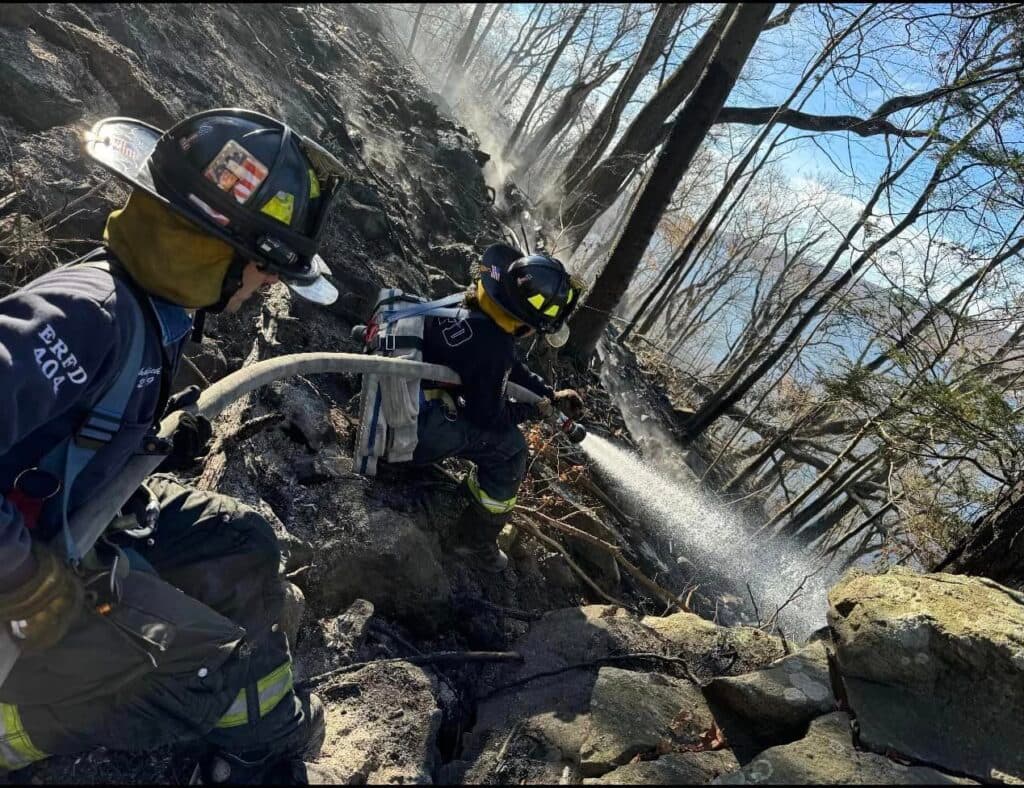
Newburgh cleanup expands to all four wards, volunteers see less trash collected
Newburgh’s cleanup reached all four wards for the first time as trash hauled away fell from 17.49 tons in 2011 to 5.6 tons in 2025.
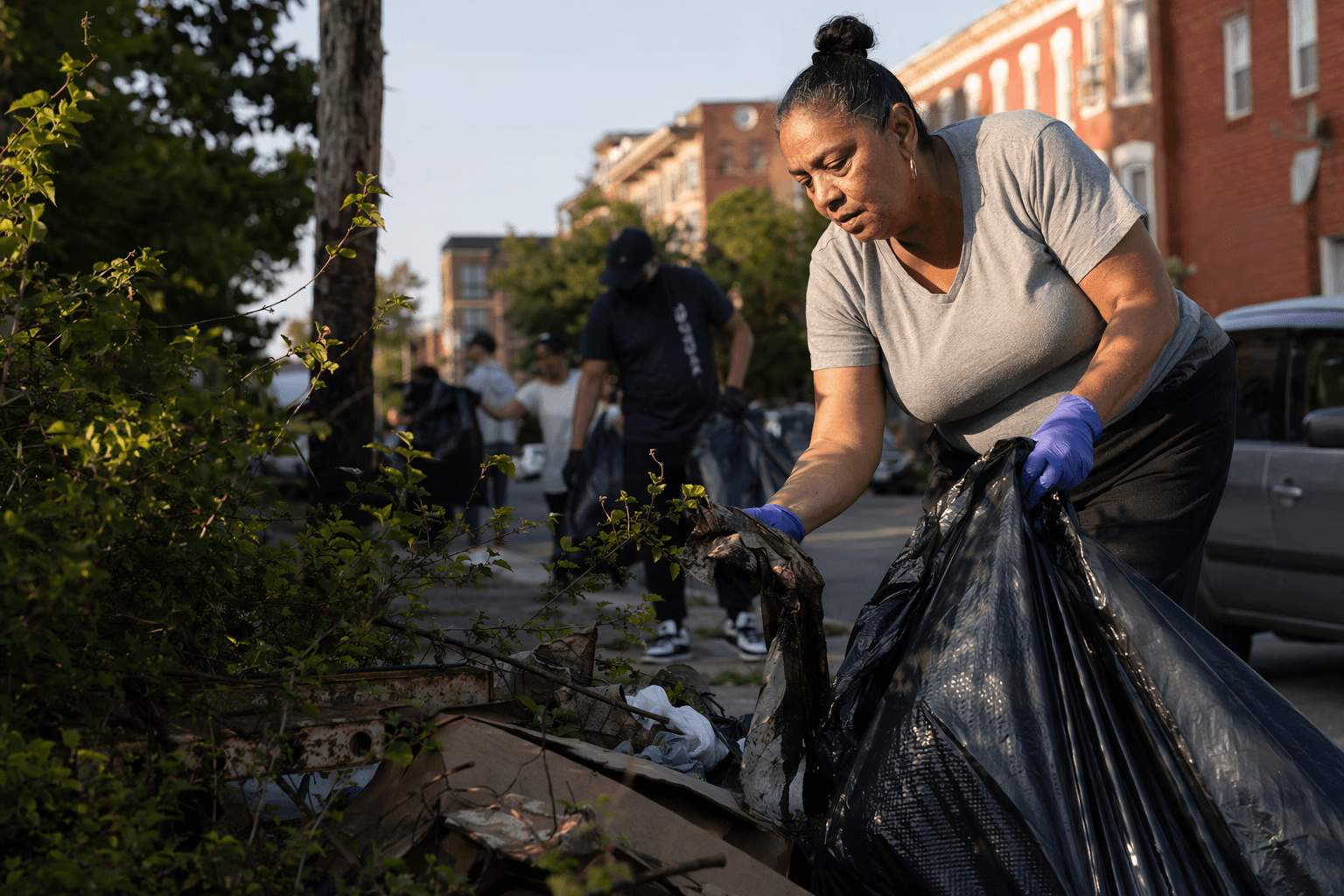
Newburgh’s annual cleanup spread across all four wards for the first time, underscoring how a volunteer day has become a test of whether the city can keep curb lines, corners and shared spaces cleaner between events. Organizers said the amount of trash collected has dropped sharply over time, from 17.49 tons at the first cleanup in 2011 to 5.6 tons in 2025, a 68 percent decline.
Safe Harbors of the Hudson hosted the 14th-year effort with the City of Newburgh, Taylor-Montgomery LLC and other local partners. Registration began at 8 a.m. at Safe Harbors Green at Broadway and Liberty Street, and cleanup work ran until noon. Volunteers were required to check in and sign a waiver, while heavy-duty gloves and garbage bags were provided. The event went on rain or shine, and organizers stressed that it was not a bulk pickup day for large items.

The expansion into every ward marked a more visible citywide sweep than a single-site cleanup. By reaching neighborhoods across Newburgh, organizers aimed to address the small but persistent signs of blight that residents see block by block, from littered sidewalks to neglected public spaces that can shape how a street feels long after the bags are collected. Safe Harbors said the goal was to keep Newburgh clean and green all year long, not just on one morning in April.
The cleanup also fed into a larger day of civic activity. From noon to 4 p.m., the Newburgh Urban Farm and Food Initiative planned its 10th annual Urban Farming Fair at the Downing Park Urban Farm. The free, family-friendly festival included live music and performances, free seedlings, gardening demos, guided farm tours, kids’ activities, local food vendors, raffles and more.
Safe Harbors listed Ken Martinez as the contact for cleanup information, reflecting the event’s reliance on volunteers and neighborhood partners rather than a single municipal department. In a city where visible conditions can change quickly from one block to the next, the shrinking trash totals offered one of the clearest signs that steady, local organizing was making a difference.
This article was produced by Prism’s automated news system from verified source data, official records, and press releases, then run through automated quality and moderation checks before publishing. The system is built and supervised by the people who set the standards it runs under. Read our full AI policy.
Did this article answer your question?