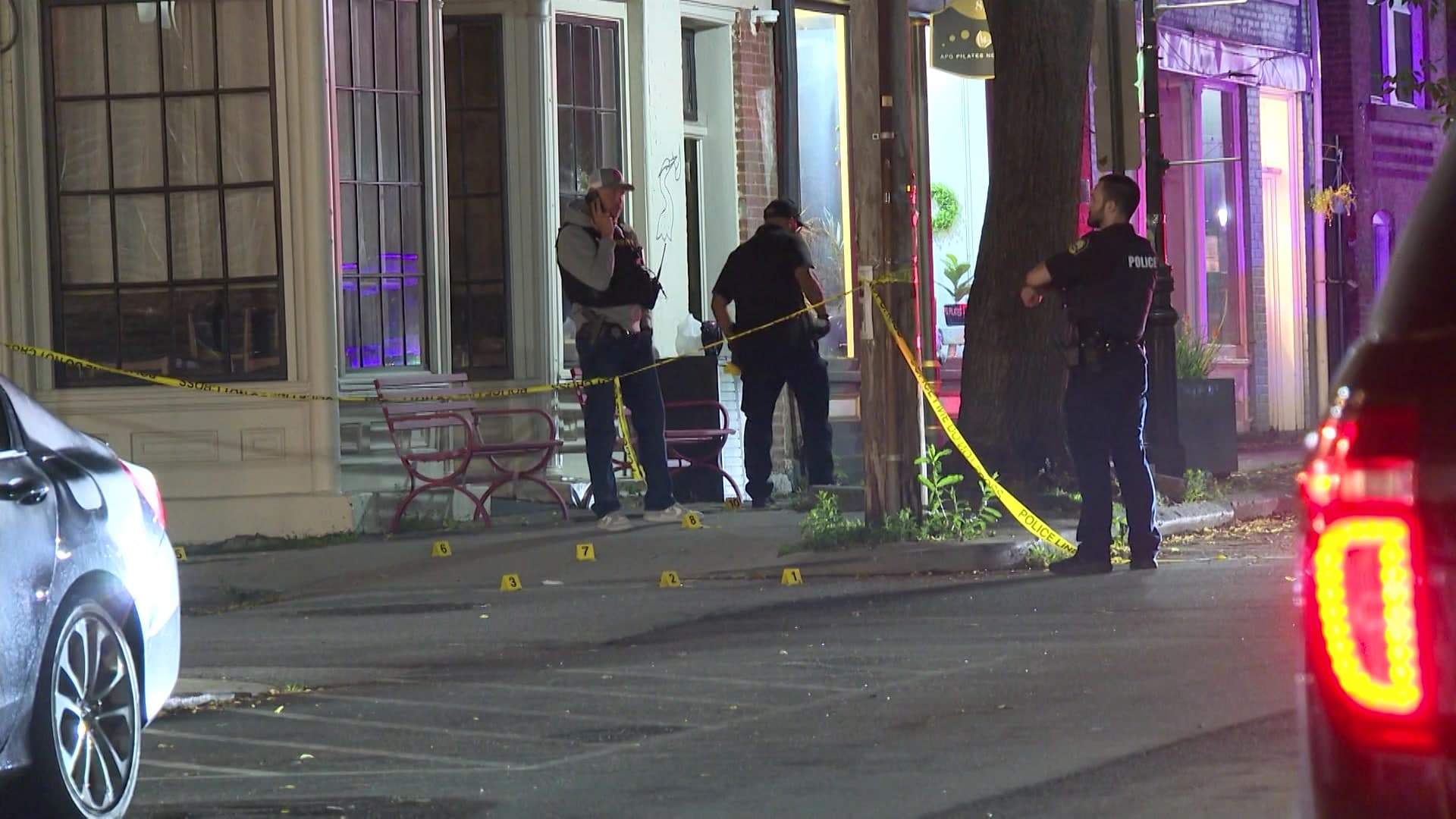
Newburgh residents raise privacy concerns over expanded license plate readers
Newburgh’s plan for 88 license plate readers has sparked privacy fears, with residents pressing for limits on data access and ICE use.
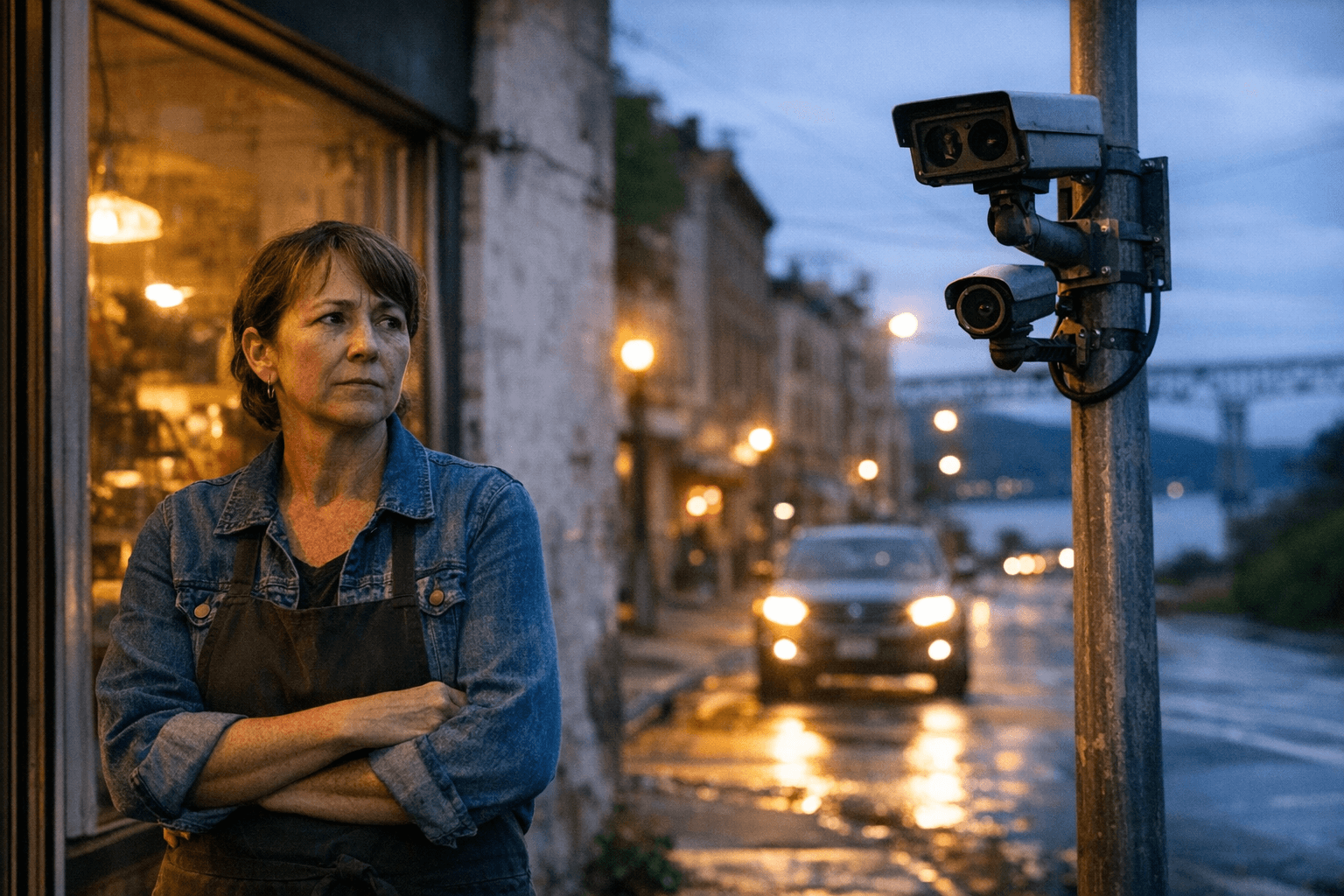
Newburgh’s push to expand its license plate reader network has become a fight over power, privacy and police access to data. Residents came to the City Council worried not just about traffic monitoring, but about how much the cameras could reveal about ordinary drivers as the system grows toward 88 stationary readers.
Police Chief Branden Rola told council members Thursday night that safeguards are in place to protect the photographs captured by the cameras and to keep them out of the hands of ICE. He said the system helps police investigate crimes, while acknowledging that residents have real concerns about how the technology could be used.
The debate has sharpened because license plate readers do more than snap cars passing by. They create searchable records of where vehicles travel, which is why Newburgh residents and council members have started asking the practical questions now: how long the data is stored, who can search it, whether it can be shared with other agencies, and what oversight exists to stop routine surveillance of people who have done nothing wrong.
Councilman Ronald Zorilla said the city should have local policies and share them with the public. His warning reflected a broader anxiety that the city could be edging toward a surveillance state if the rules are not clear enough. The council was expected to keep debating the Flock system at its next session Monday night.
Newburgh already has dozens of stationary license plate readers, and the city is aiming for a total of 88, according to Mid Hudson News. Atlas of Surveillance lists the Newburgh Police Department as using Flock Safety automated license plate readers and says the department operated 64 Flock cameras as of September 2025, showing how quickly the network has already grown.
The local dispute is unfolding against a wider state and national backdrop. New York State’s Division of Criminal Justice Services issued a model policy in March 2021 saying license plate readers should promote public safety while protecting privacy, civil rights and civil liberties, and that they should scan only plates exposed to public view. The same policy calls for written procedures and query logs.
Nationally, the issue has become more contested in 2025 and 2026. NPR reported in February that more than 30 localities had deactivated Flock cameras or canceled contracts since the start of 2025, as residents raised fears that local data could feed federal immigration enforcement. NPR also reported that Flock says each customer controls sharing settings, but some cities later discovered broader sharing than they realized, including access by U.S. Border Patrol.
For Newburgh, that has turned a camera expansion into a larger test of trust. The city now has to show not only that the readers can help police, but that the data they collect will not become a back door to broader surveillance.
This article was produced by Prism’s automated news system from verified source data, official records, and press releases, then run through automated quality and moderation checks before publishing. The system is built and supervised by the people who set the standards it runs under. Read our full AI policy.
Did this article answer your question?