Orange County Holds First Responder Wellness Conference, Prioritizes Mental Health
Orange County hosted a first of its kind First Responder Wellness and Resiliency Conference on December 3 at The Barn at Villa Venezia in Middletown, bringing police, fire, EMS, and other public safety staff together for training on mental health, peer support, and recovery. The event signals a local shift toward investing in sustained mental health resources for emergency personnel, with implications for public safety, workforce retention, and community equity.
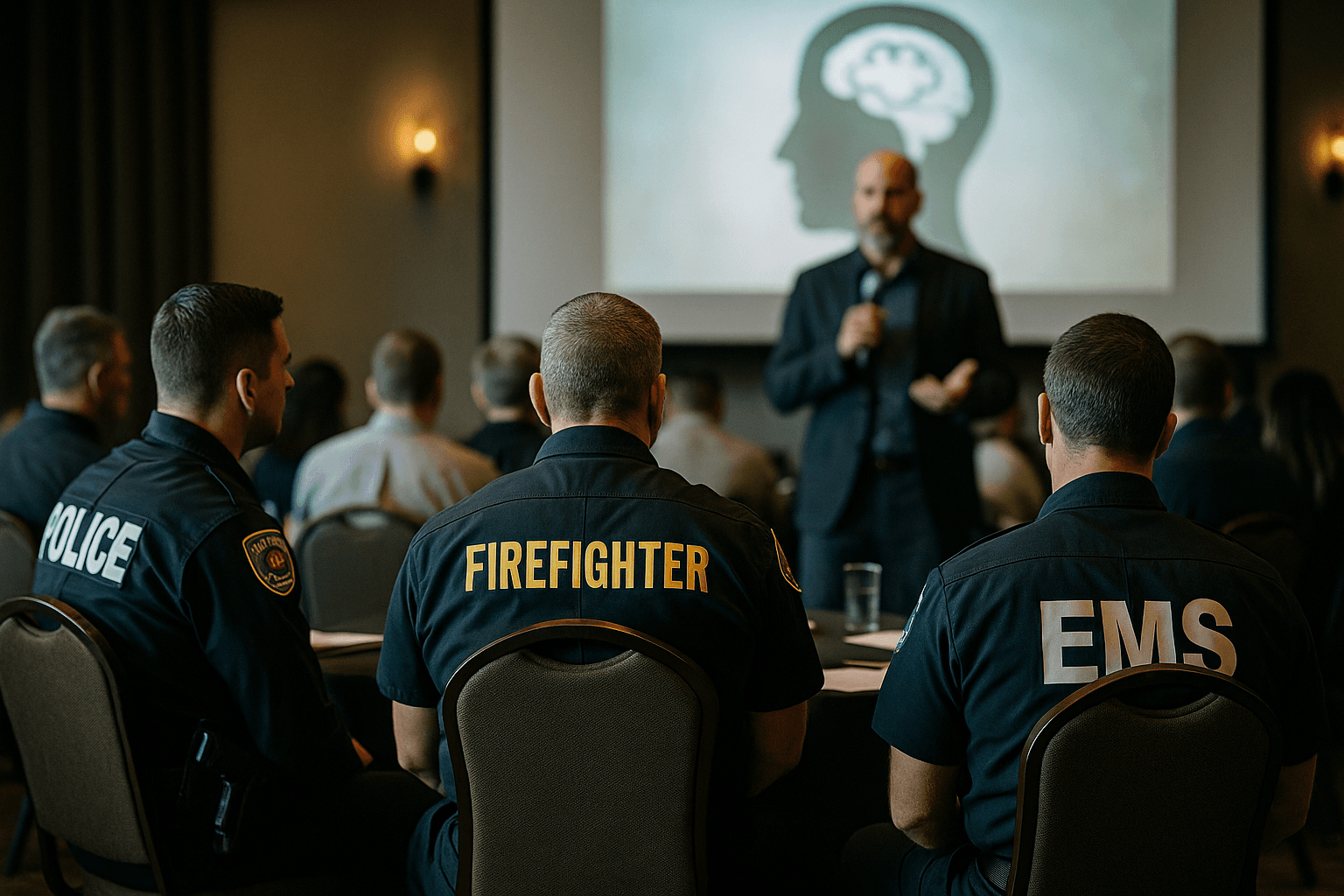
Orange County convened front line public safety workers from across the county on December 3 for a First Responder Wellness and Resiliency Conference, an event designed to address the mounting mental health needs of police, firefighters, emergency medical technicians, and other responders. Hosted by the Orange County Department of Emergency Services at The Barn at Villa Venezia in Middletown, the conference focused on practical resiliency strategies, peer support systems, addiction recovery, and perseverance.
Orange County Executive Steven M. Neuhaus praised the event as a significant step in supporting those who respond to crises every day. Speakers included Sgt. Aaron Lohman of the NYPD Health and Wellness Resiliency program, Det. Dina Campbell of NYPD Health and Wellness Peer Support, retired Chief Warrant Officer Alan Mack of Orange County Emergency Services, and former major leaguer Darryl Strawberry as keynote speaker. The free conference was supported by NYS Cares Up and was described by county officials as the first of its kind in the region.
The county emphasized tangible investments in mental health for emergency personnel, including the establishment of a county peer support coordinator position held by Philip Sal Salinardi. Creating an embedded peer support role aims to reduce barriers to care, normalize help seeking within responder cultures, and build continuity between immediate peer interventions and longer term clinical services.
For local residents the conference carries public health and community safety implications. When responders receive sustained mental health support, agencies are more likely to retain experienced staff, maintain operational readiness, and reduce the ripple effects of untreated trauma in families and neighborhoods. Equity concerns also surfaced, as access to confidential, culturally competent care can vary across agencies and demographic groups. County officials signaled that future sessions will expand outreach and tailor services to reach diverse communities within Orange County.
Orange County Emergency Services urged attendees and interested residents to follow their social media channels for updates on future peer support trainings and resources. The event represents a step toward integrating mental health into emergency services policy, with potential long term benefits for responders and the communities they serve.
This article was produced by Prism’s automated news system from verified source data, official records, and press releases, then run through automated quality and moderation checks before publishing. The system is built and supervised by the people who set the standards it runs under. Read our full AI policy.
Did this article answer your question?