Battle Lake man builds floating loon nest to boost local population
A floating loon nest on Battle Lake aims to bring back the summer call locals miss. Steve Slatten’s hands-on fix ties one bird’s future to a lake identity.
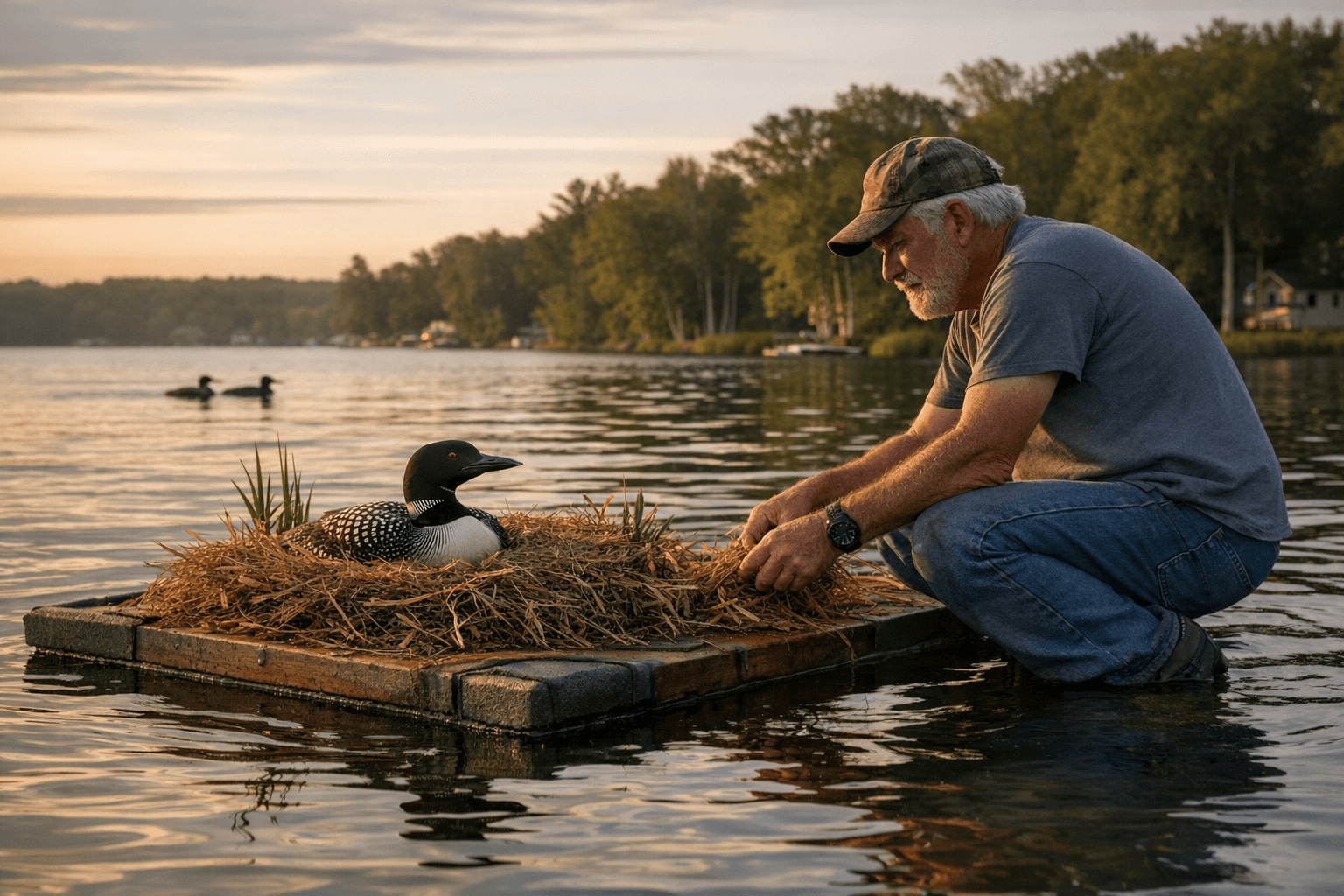
The missing loon call over Battle Lake is more than a quiet shoreline. It is a sign that the birds many residents associate with summer have fewer safe places to nest, and Steve Slatten is trying to change that with a floating nest built for the lake’s edge.
Slatten, who keeps a summer lake home on Battle Lake and lives in Fergus Falls, built the platform as a practical step toward restoring the local loon population. His project fits a place where water shapes daily life and civic identity. Battle Lake, in Otter Tail County, had 857 residents in the 2020 census and carries the motto “Heart Of 1001 Lakes,” a reminder that even one nesting platform can matter in a town built around the water.
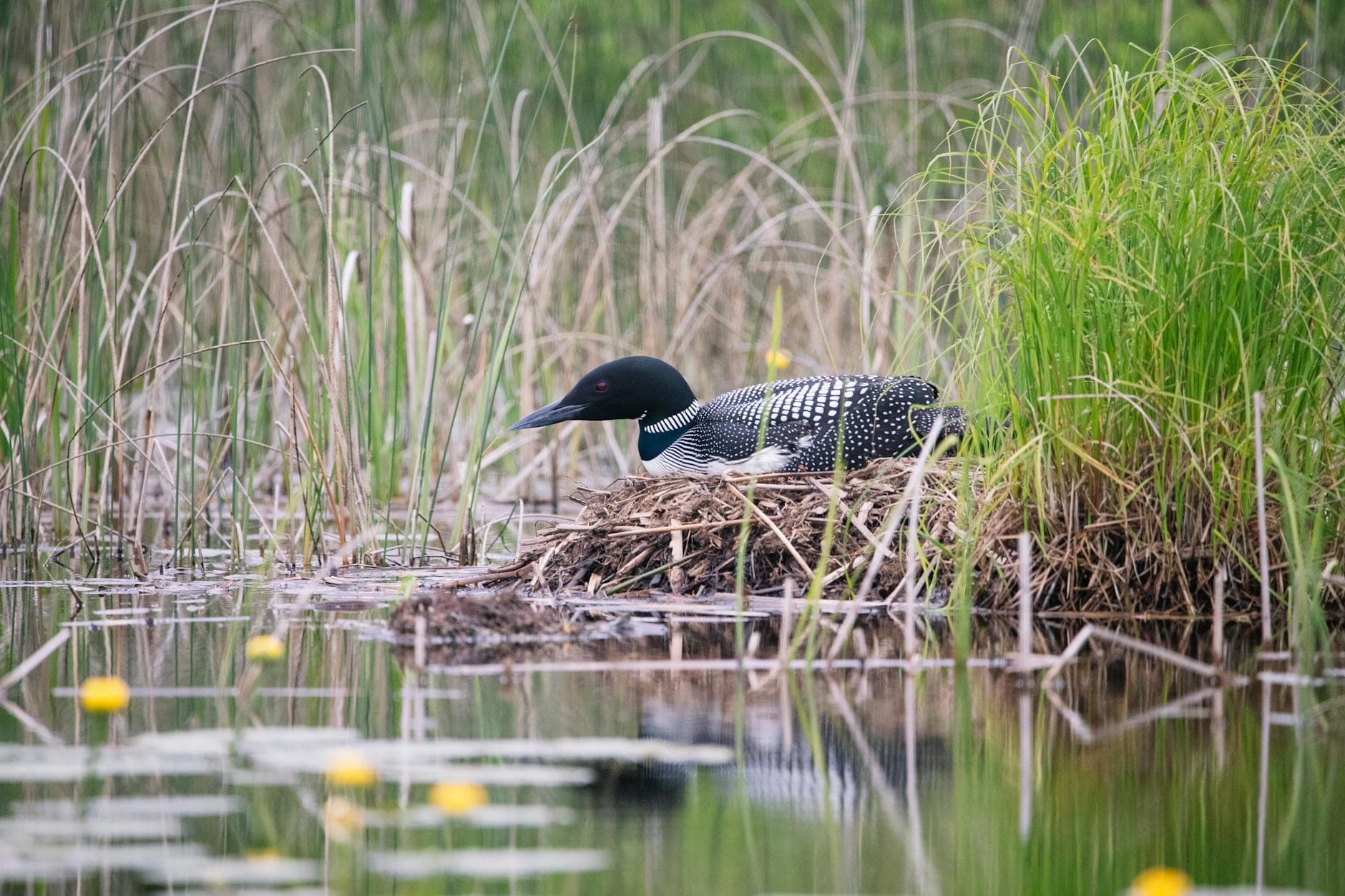
The Minnesota Department of Natural Resources says loons are good indicators of water quality because they need clean, clear water to catch food. They also are sensitive to disturbance and lakeshore development. Loons typically nest along shorelines or near-shore areas beginning in May, and human activity can interrupt incubation and lead to nest failure. That makes protection on busy lakes important not only for birds, but for the people who value the summer soundscape they create.
State wildlife officials have pushed for artificial nesting platforms as part of broader restoration work. The Minnesota Loon Restoration Project includes protecting breeding habitat, placing artificial nesting platforms in strategic locations, engaging communities through the Loon-Friendly Lake Registry Program, and monitoring loons on Minnesota lakes. The DNR says those platforms usually require a permit from the county sheriff’s office, and that construction and placement matter because poorly built or poorly placed platforms can increase disturbance, injure loons, and cause nests to fail.
Slatten’s effort also connects to a larger network of citizen science. The Minnesota Loon Monitoring Program has collected data for more than 20 years on more than 600 lakes with help from hundreds of volunteers, and the DNR says its loon monitoring work stretches across more than 40 years of data. In 2024, the U.S. Geological Survey monitored 98 common loon focal territories and 37 nonfocal territories across 53 study lakes in Minnesota as part of restoration research.
For Battle Lake, the measure of success will be easy to hear: a loon call across the water, then another, and eventually a summer lake that sounds like itself again.
This article was produced by Prism’s automated news system from verified source data, official records, and press releases, then run through automated quality and moderation checks before publishing. The system is built and supervised by the people who set the standards it runs under. Read our full AI policy.
Did this article answer your question?