Drought eases in Otter Tail County, boosting spring planting outlook
Moisture has erased drought impacts across Otter Tail County, giving spring planting a firmer start after a March that ranked among the county’s driest on record.
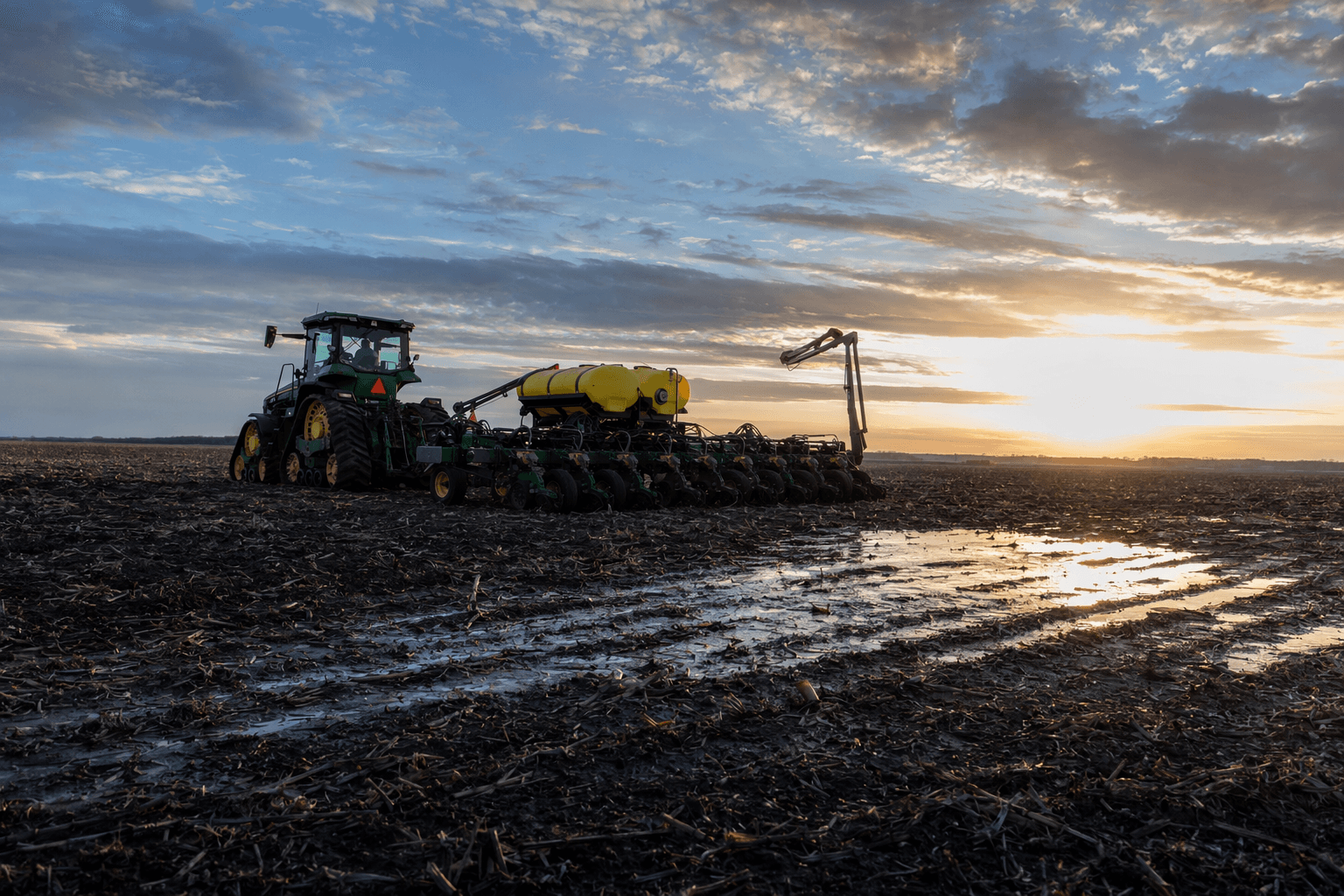
Moisture has returned enough to erase drought impacts across Otter Tail County, giving spring planting a firmer start after a March that ranked as the county’s 40th driest on record.
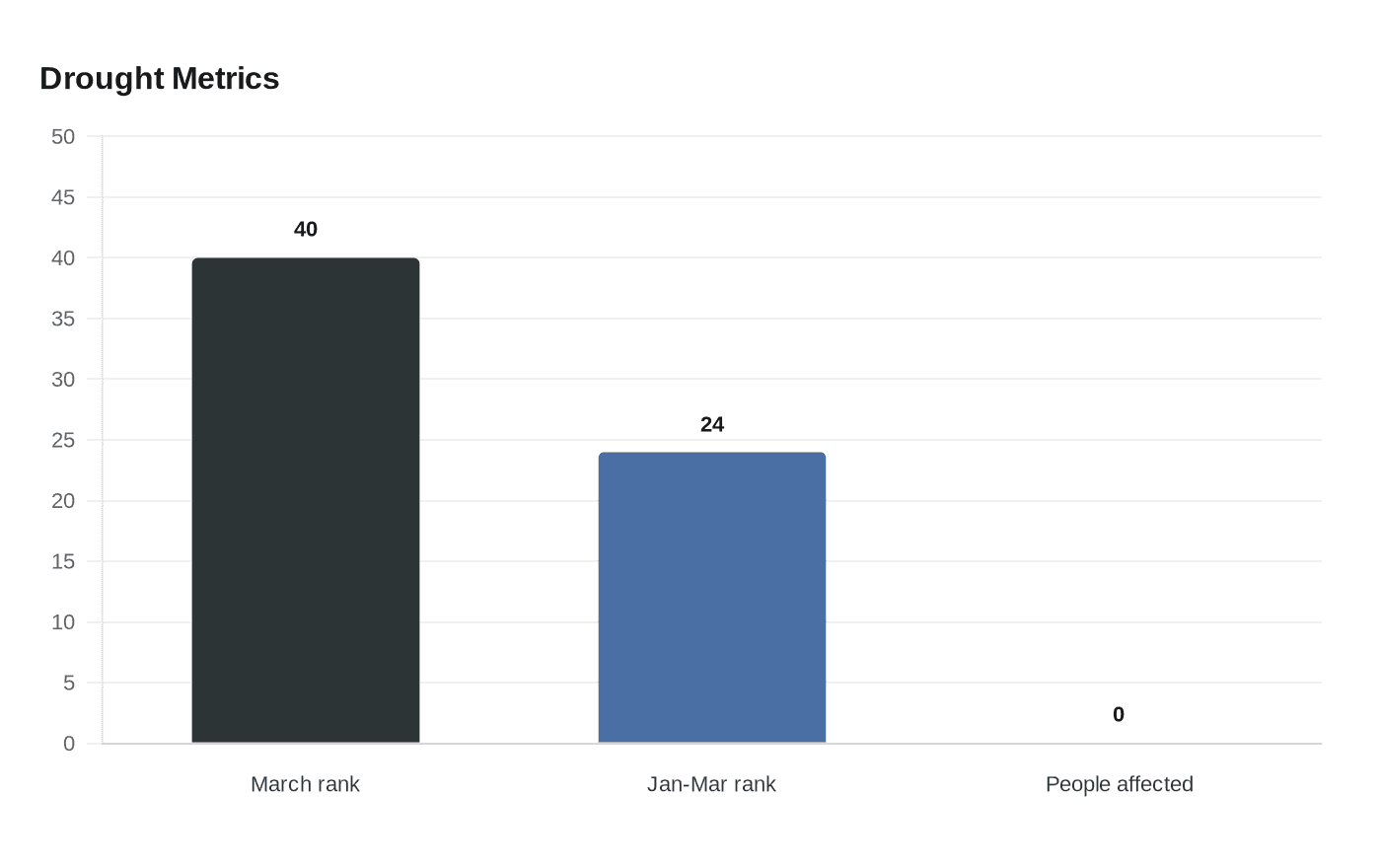
The U.S. Drought Monitor’s April 28 map, released April 30, showed rainfall in the prior week improving drought-affected areas across the Midwest. In Otter Tail County, Drought.gov reported on April 21 that zero people were affected by drought, a 100% drop from the previous month. The county also logged the 24th driest January-through-March stretch in 132 years of records, a reminder that the turnaround came after a notably dry start to the year.

That shift matters well beyond the field edge. Better moisture gives growers more confidence as they decide when to roll in with planters, how much seed and fertilizer to commit, and whether early-season crops can establish quickly enough to protect yield. For suppliers in Fergus Falls and farm-focused businesses across Otter Tail County, steadier planting conditions can mean more predictable equipment demand, more timely input purchases and fewer weather-driven delays that ripple into Main Street cash flow.
The improvement also sets Otter Tail County apart from parts of the region that were still working through deeper dryness, even as neighboring Wilkin County also showed signs of improvement. The difference is important in a farm economy where one county’s planting window can hinge on a few timely storms and a stretch of warmer days.
The Minnesota Department of Natural Resources says drought can draw down soil moisture reserves, groundwater supplies, lake levels and streamflows, and it can hit agriculture, public utilities, forestry and tourism hard. In practical terms, that means a wetter start does not just help corn and soybeans get planted, it also reduces pressure on the broader local economy that depends on healthy groundwater, reliable water service and stable rural activity.
University of Minnesota Extension says successful spring planting in Minnesota depends more on soil temperature, air temperature and crop type than the calendar alone. Northern Minnesota often plants one to two weeks later than southern Minnesota because soils warm more slowly and frost risk lasts longer. For Otter Tail County growers, that means the improving moisture picture is welcome, but the thermometer still sets the pace for the season ahead.
This article was produced by Prism’s automated news system from verified source data, official records, and press releases, then run through automated quality and moderation checks before publishing. The system is built and supervised by the people who set the standards it runs under. Read our full AI policy.
Did this article answer your question?