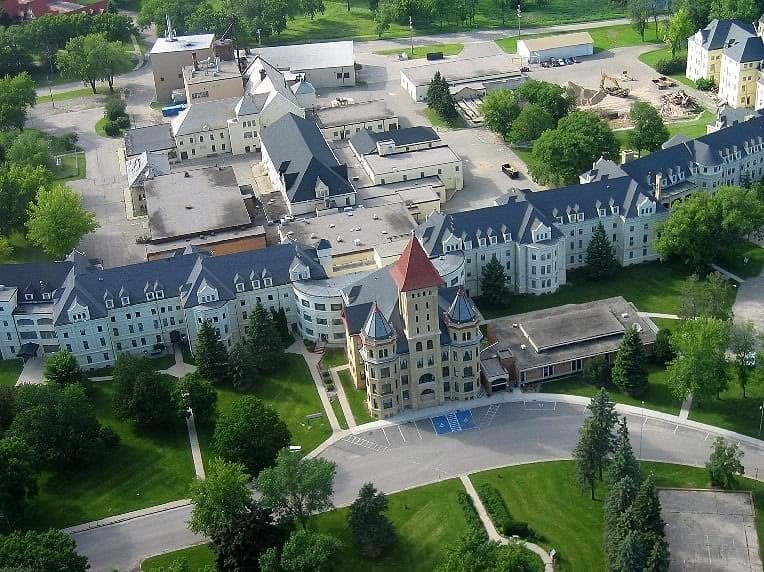
Fort Juelson marks 150 years with countywide history tours
Fort Juelson’s 150th drew visitors across the country to a full-day Underwood-area tour, a 4:30 p.m. program and a pork chop meal that put local history on the move.
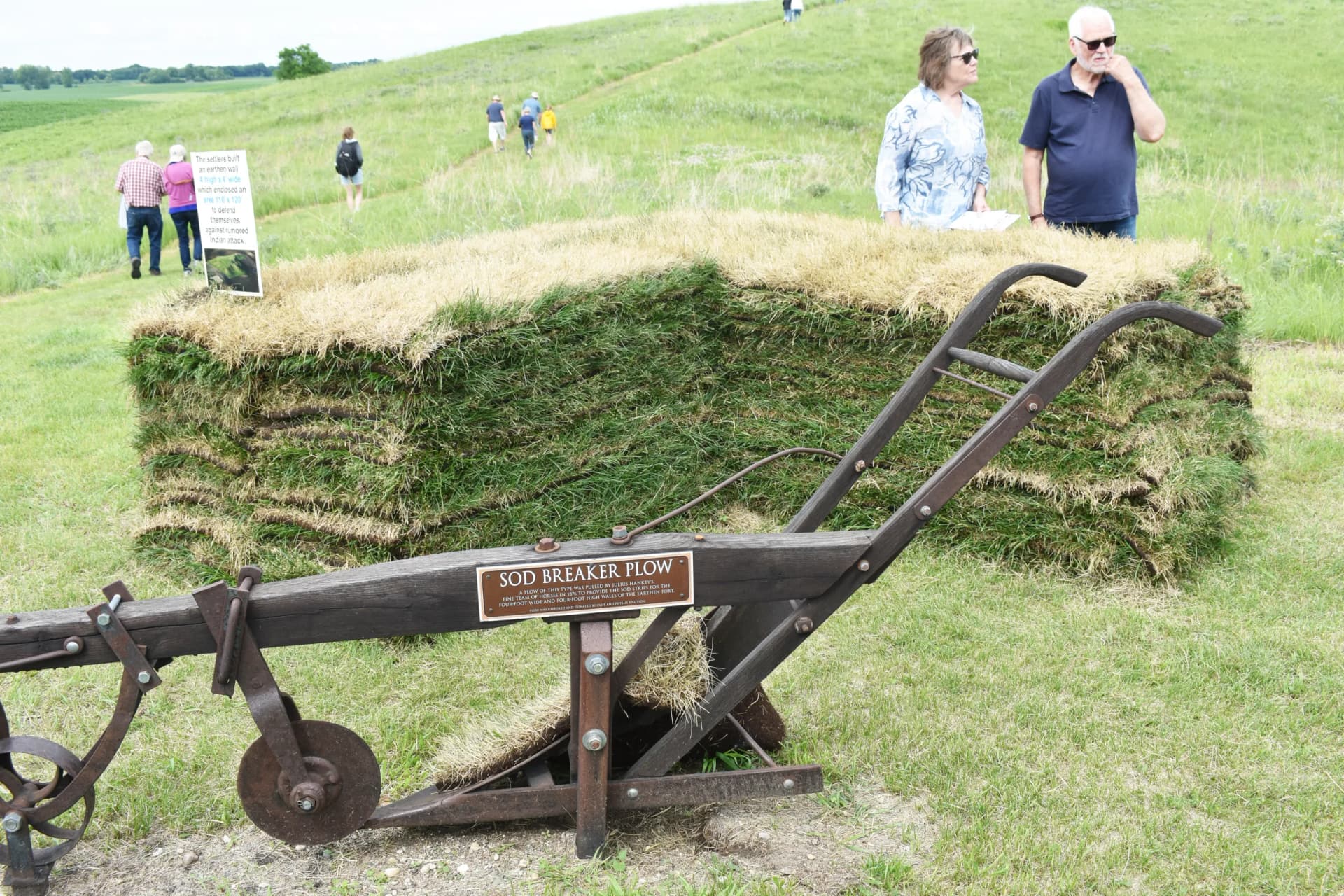
Fort Juelson’s 150th anniversary turned the site east of Underwood into a full-day county outing, with covered-wagon shuttle tours, about 20 stops at nearby historic sites and a program at the fort at 4:30 p.m. The June 26 celebration drew visitors from across the country and centered attention on an eight-acre prairie park that Otter Tail County now maintains as a public historic site.
The anniversary was built around movement through the landscape, not just a stop at the fort. The Underwood shuttle tour began at Underwood Schools and used covered shuttles pulled by tractors to connect about 21 historic sites in the Underwood area, including The Foss Log Cabin, Bass Lake, Bicentennial Park and the Underwood Veterans Memorial. The day also included an Underwood Lions pork chop meal with water, giving the event the feel of a community gathering as much as a history program.
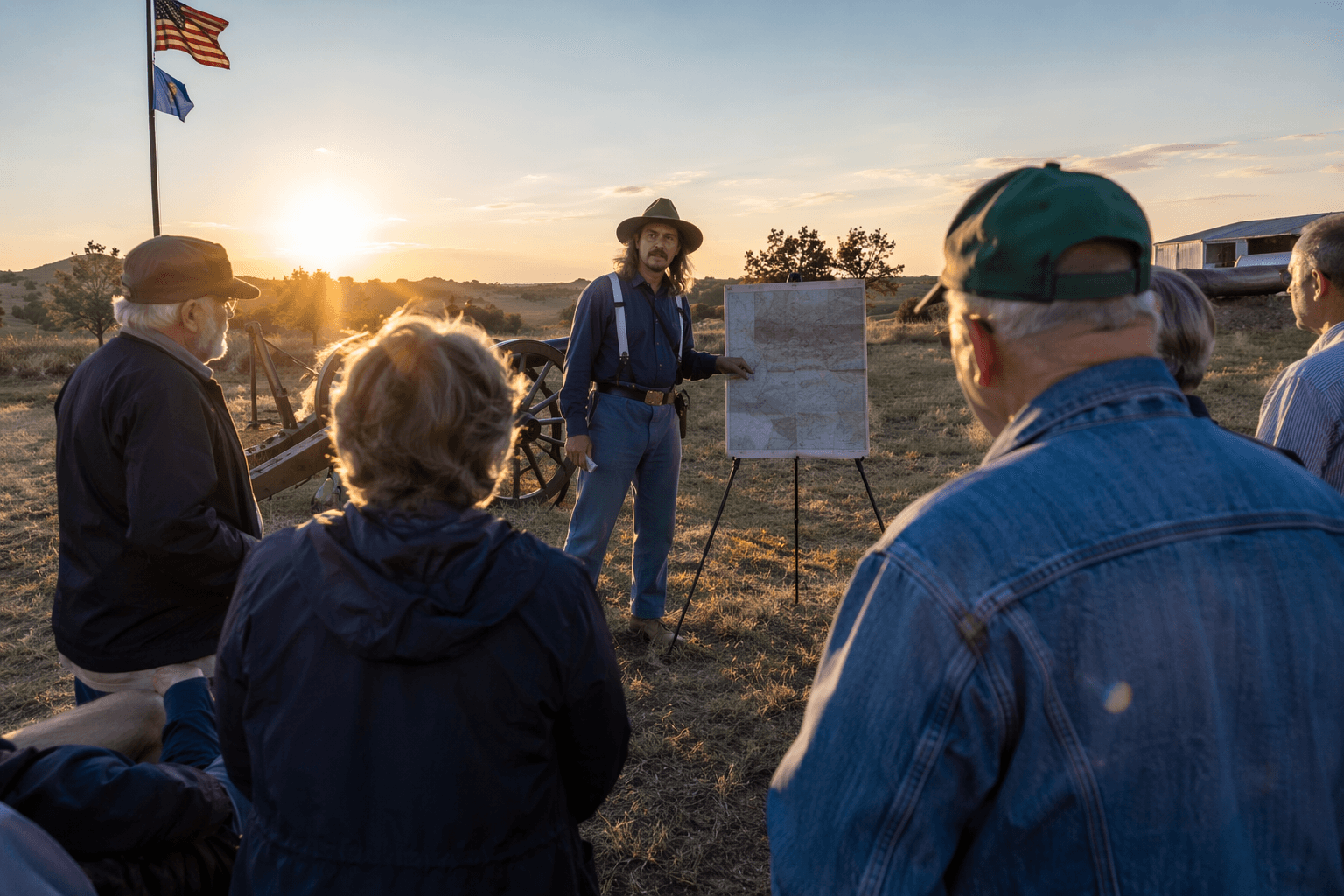
Fort Juelson itself sits about two miles east of Underwood in Tordenskjold Township along Highway 210. Norwegian settlers Hans Juelson and Berge O. Lee built the earthen fort in July 1876 after rumors spread following the Battle of Little Bighorn and fears of an attack in western Minnesota. The county describes the fort as a defensive barricade built by settlers rather than a place they fled to, and it was never used in battle.
What remains on the ground is more layered than the fort story alone. Otter Tail County acquired the site in 2011 and dedicated it as a county park with native prairie, wildflowers, grasses, walking trails, benches, interpretive signs and parking. The property is also listed on the National Register of Historic Places, reinforcing its significance beyond the Underwood area.
Archaeological work deepened that record. In 2012, the Otter Tail County Historical Society received Minnesota Historical and Cultural Heritage Grant funding for a non-invasive investigation that used geophysical methods and archival research. That work identified Fort Juelson as sitting on a Woodland-period burial mound group with four small elliptical and linear mounds, a finding that broadens the site’s meaning from a settler fortification to a place tied to earlier Indigenous history as well.
The 150th anniversary made room for both stories at once. Friends of Fort Juelson, the Otter Tail County Historical Society and the Otter Tail Lakes Country Association helped frame the day as a public invitation to see the fort, the mounds and the surrounding historic sites together. For Underwood and the surrounding county, the milestone was not just a look back at 1876. It was a day of tours, meals and preservation work that kept Fort Juelson active in the present.
This article was produced by Prism’s automated news system from verified source data, official records, and press releases, then run through automated quality and moderation checks before publishing. The system is built and supervised by the people who set the standards it runs under. Read our full AI policy.
Did this article answer your question?