Otter Tail County Historical Society plans Kirkbride tour of Fergus Falls State Hospital
The Otter Tail County Historical Society will lead a $10 exterior tour of the Fergus Falls State Hospital, focusing on the Kirkbride design behind the city’s best-known landmark.
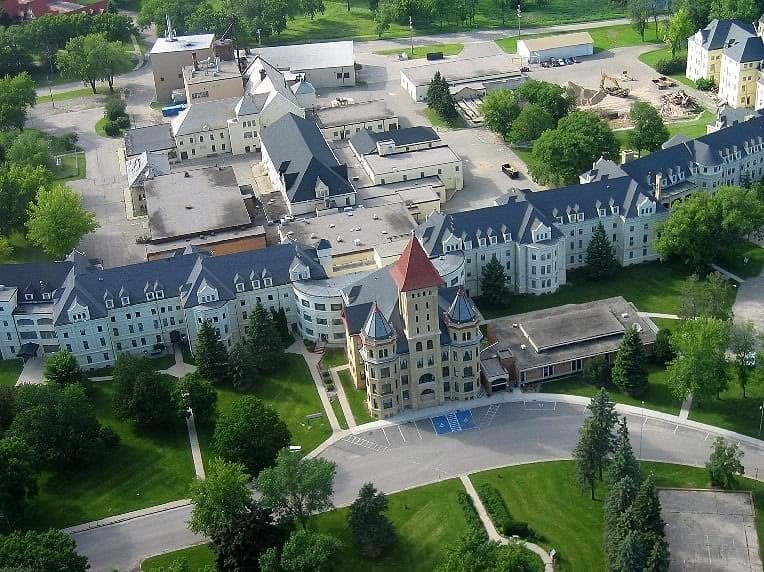
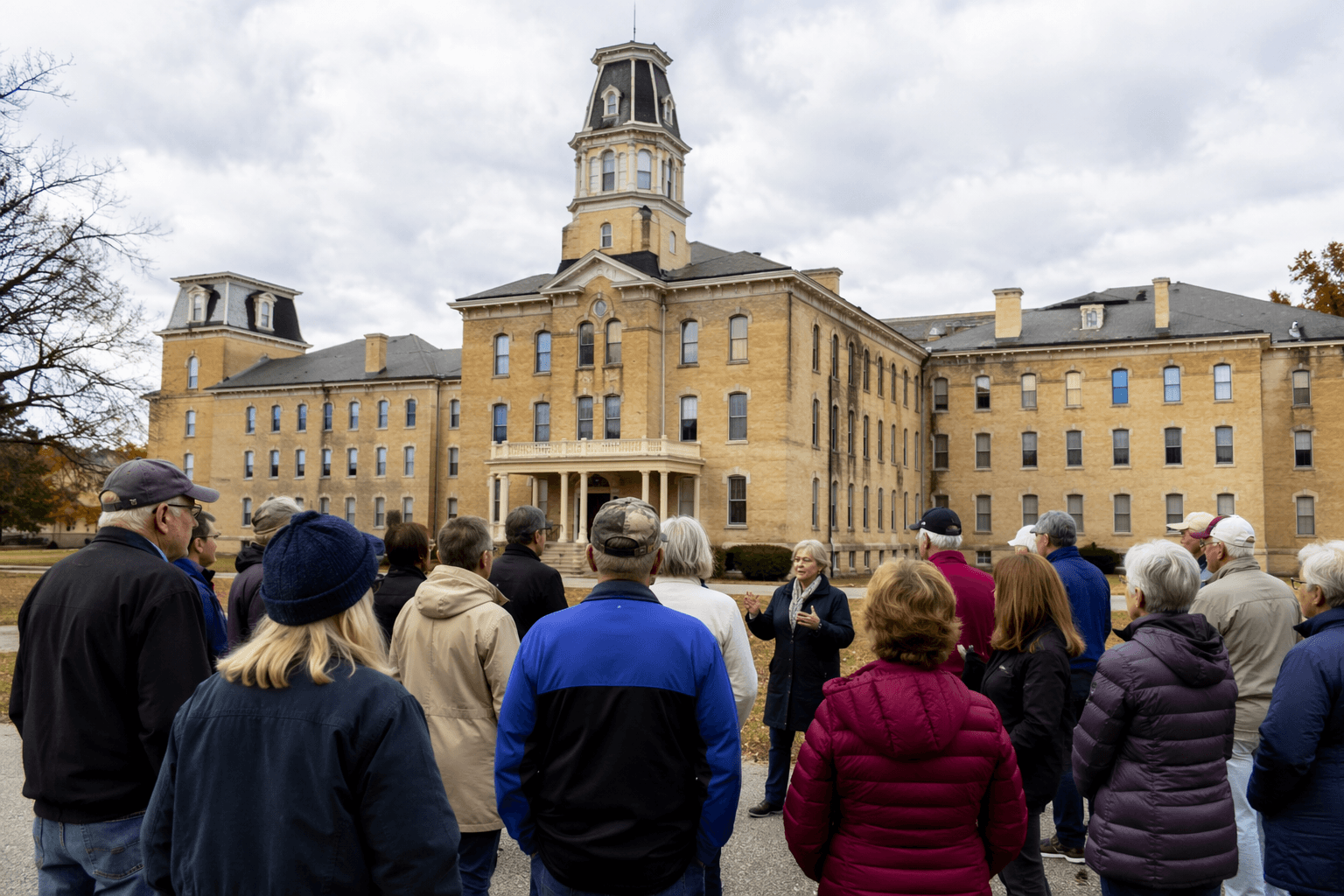
The Otter Tail County Historical Society will lead a guided exterior walking tour of the Fergus Falls State Hospital on Friday, July 10, at 7 p.m., giving residents a closer look at one of Fergus Falls’ most recognizable buildings. Participants are asked to meet at the west end of the main complex, with parking available in the Government Services parking lot.
The tour will be led by retired OTCHS Executive Director Chris Schuelke, and the listed fee is $10 per person. The walk is framed as a Kirkbride tour, a reference to the 19th-century asylum model developed by psychiatrist Dr. Thomas Story Kirkbride, whose ideas shaped the layout of state hospitals across the country.
That design history is part of what makes the Fergus Falls site stand out. The Minnesota Historical Society says the Fergus Falls State Hospital opened on July 29, 1890, as the first state institution in northern Minnesota for patients considered insane. The National Park Service describes the property as a 120-acre landscaped complex dominated by the main hospital building, which was planned around Kirkbride’s principles and built to reflect the era’s approach to mental health care.
The campus later expanded as the institution grew, and historical listings show the property was added to the National Register of Historic Places in 1986, with a boundary increase in 2016. The hospital closed in 2007, and the property was later sold to the City of Fergus Falls, leaving the main complex as a prominent part of the city’s built environment and local memory.
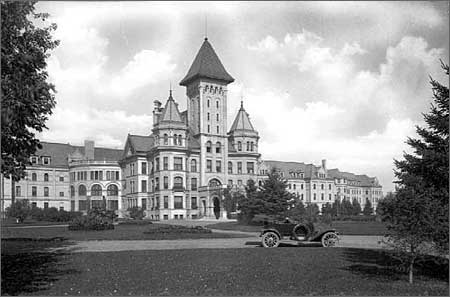
For Fergus Falls, the building is more than an old hospital. The historical society identifies it as the Fergus Falls Regional Treatment Center, also known as the Fergus Falls State Hospital, and treats it as a defining part of the county’s historic landscape. The tour offers a chance to see how the exterior, grounds and massive footprint connect the site’s past to current discussions about preservation, reuse and public stewardship in Otter Tail County.
This article was produced by Prism’s automated news system from verified source data, official records, and press releases, then run through automated quality and moderation checks before publishing. The system is built and supervised by the people who set the standards it runs under. Read our full AI policy.
Did this article answer your question?