Free well water testing clinics coming to Otter Tail County this summer
Free nitrate testing started in Parkers Prairie, with four more Otter Tail County clinics set through Aug. 20. The biggest risk is to private wells near farms and septic systems.
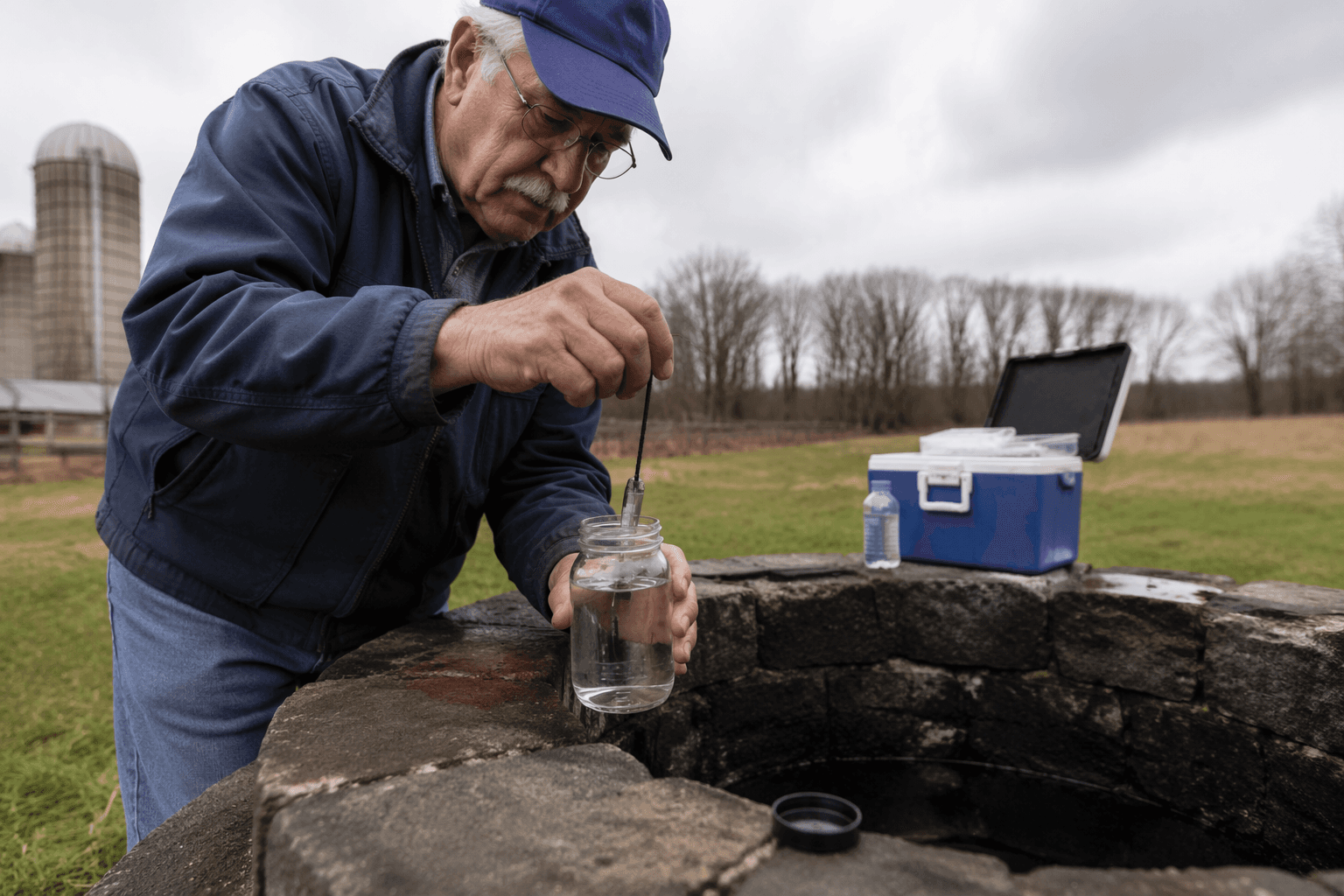
Private well owners in and around Otter Tail County got the first chance for free nitrate testing Thursday at the Adley Event Center in Parkers Prairie, and the biggest risk sits with wells near farm fields and septic systems, where contamination can build with no smell, taste or color to warn a family.
Four more clinics are scheduled across the county through Aug. 20. The next stop is July 16 at the West Ottertail Soil and Water Conservation District office in Fergus Falls, followed by July 23 at the East Ottertail Soil and Water Conservation District office in Perham. Two more clinics are set for Aug. 13 at the Lions Community Center in Verdale and Aug. 20 at Menahga City Hall. Area Soil and Water Conservation Districts are hosting the clinics with the Minnesota Department of Agriculture.
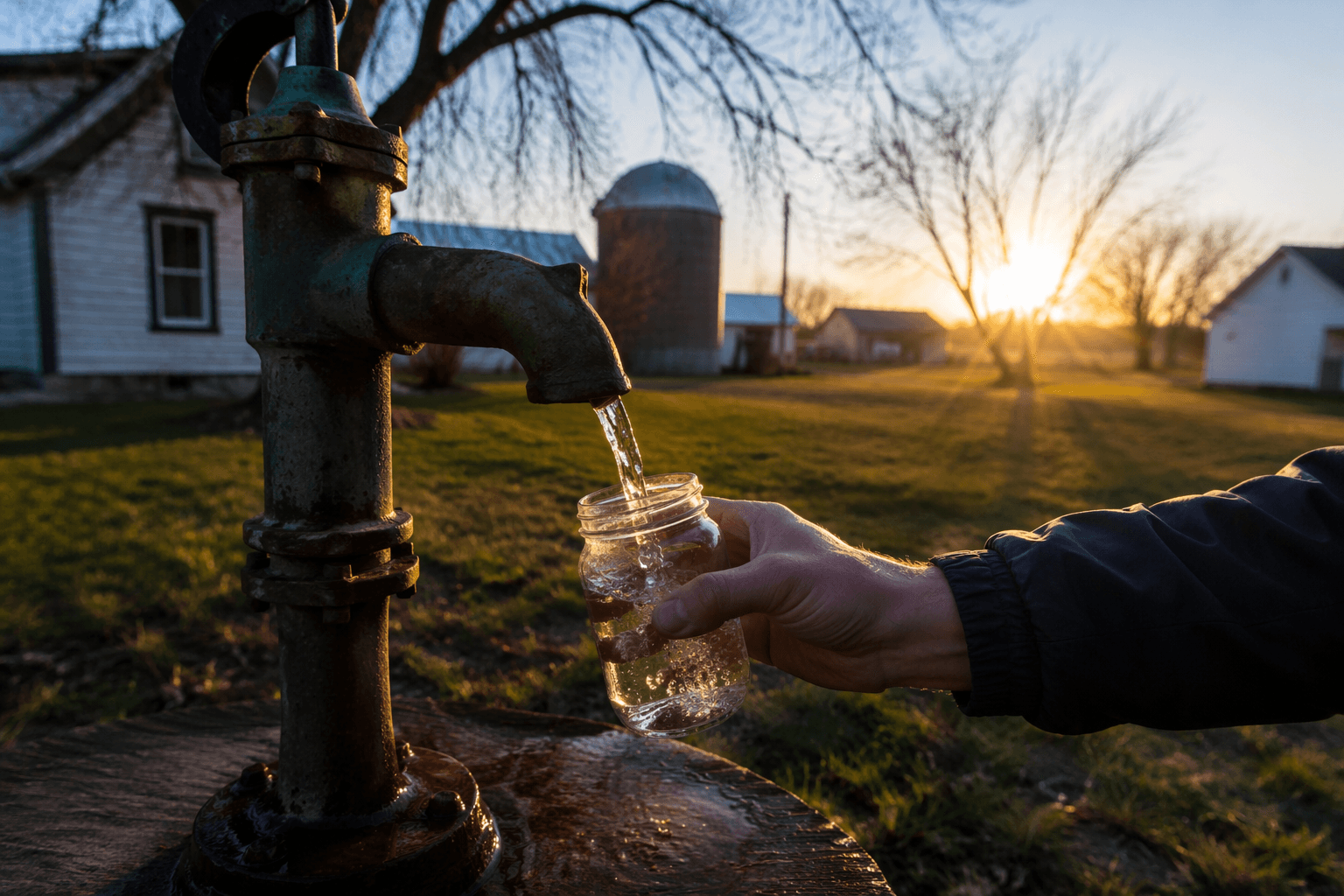
Nitrate is one of the most common contaminants in Minnesota groundwater, and in rural areas it often comes from nitrogen fertilizer leaching past the crop root zone. Private wells near septic tanks or agricultural activity are most vulnerable, especially if they are shallow, in sand aquifers or poorly constructed. Water above 10 mg/L is unsafe to drink, and bottle-fed babies under 6 months old face the highest risk of methemoglobinemia, also known as blue baby syndrome.
In the Minnesota Department of Agriculture’s 2015-2017 township testing, the initial dataset included 4,533 wells and the final analysis used 4,366 after removals tied to non-fertilizer sources or well construction problems. Parkers Prairie Township was the only township where more than 10% of wells were at or above the 10 mg/L health risk limit, and the share of wells over the limit ranged from 0.0% to 13.5% across the county’s townships. The state estimated that 851 people in the study area were drinking water over the nitrate health risk limit.
Flush the cold tap, collect at least one cup of water in a clean sealed container, keep the sample cool and bring it in during clinic hours. The sample can be screened in minutes on portable spectrophotometers, with results and guidance given on the spot at no cost. Private well owners are responsible for their own water safety and should test for bacteria every year and nitrate every other year.
This article was produced by Prism’s automated news system from verified source data, official records, and press releases, then run through automated quality and moderation checks before publishing. The system is built and supervised by the people who set the standards it runs under. Read our full AI policy.
Did this article answer your question?