House passes anti-grooming bill to protect Minnesota students
House lawmakers voted 133-0 for a bill that would make grooming a felony and tighten field-trip supervision rules for Minnesota schools.
A unanimous House vote sent HF3489 to the Senate, putting new felony penalties, license revocations and field-trip supervision rules on the table for Minnesota schools, including those in Otter Tail County.
The bill passed 133-0 on Monday, April 27, after first clearing the House Education Policy Committee on Feb. 24. Authored by Rep. Peggy Bennett, R-Albert Lea, and paired with a Senate companion sponsored by Sen. Erin Maye Quade, DFL-Apple Valley, the proposal is built around a central change: grooming would become a felony, punishable by up to five years in prison. A conviction would also trigger automatic revocation of a Minnesota teaching license, and police would have to notify the state licensing board when an educator is convicted of grooming or another revocation-triggering crime.
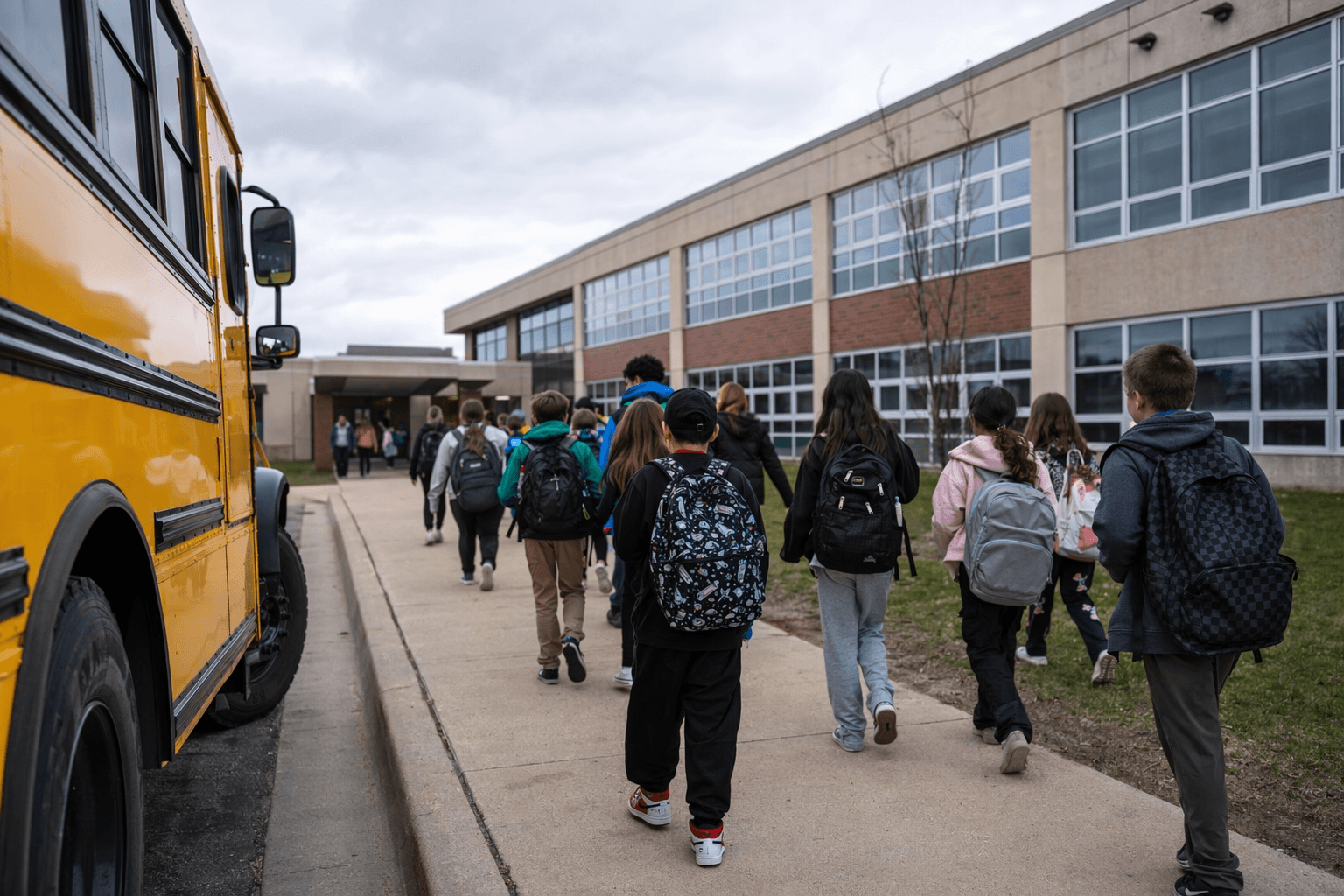
For Otter Tail County schools, the most immediate operational changes would not be in classroom lessons but in staffing, reporting and trip supervision. The bill would require the Minnesota Department of Education to develop mandatory reporter training, which would put a sharper statewide focus on how teachers, coaches, aides and volunteers identify and report suspected misconduct. It would also bar school employees and volunteers from being alone with students during field trips, a rule that would affect how districts in Perham and elsewhere schedule chaperones, supervise bus travel and handle one-on-one interactions away from campus.
Bennett said the issue became personal after hearing survivor Hannah LoPresto, a 2016 graduate of Eagan High School, describe how she was groomed for years and later sexually assaulted by her band teacher. Bennett said the story struck her because it was similar to her own experience as a 10th grader with a band director. Eagan Police detective Chad Clausen said investigators found probable cause in LoPresto’s case, but no criminal charges were filed because Minnesota law in 2016 had gaps around positions of authority and high school students.
Supporters say those gaps are exactly what HF3489 is designed to close. In practice, the bill would not just add a new criminal label. It would also give school districts a stronger legal basis to separate staff from students, tighten reporting expectations and remove credentialed employees from classrooms faster when a grooming conviction occurs. Education Minnesota has warned that the field-trip restriction could be hard to carry out in situations involving private phone calls, students separating from a group or personal assistance needs, showing that the bill would bring real supervisory changes to school routines, not just symbolic language.
This article was produced by Prism’s automated news system from verified source data, official records, and press releases, then run through automated quality and moderation checks before publishing. The system is built and supervised by the people who set the standards it runs under. Read our full AI policy.
Did this article answer your question?